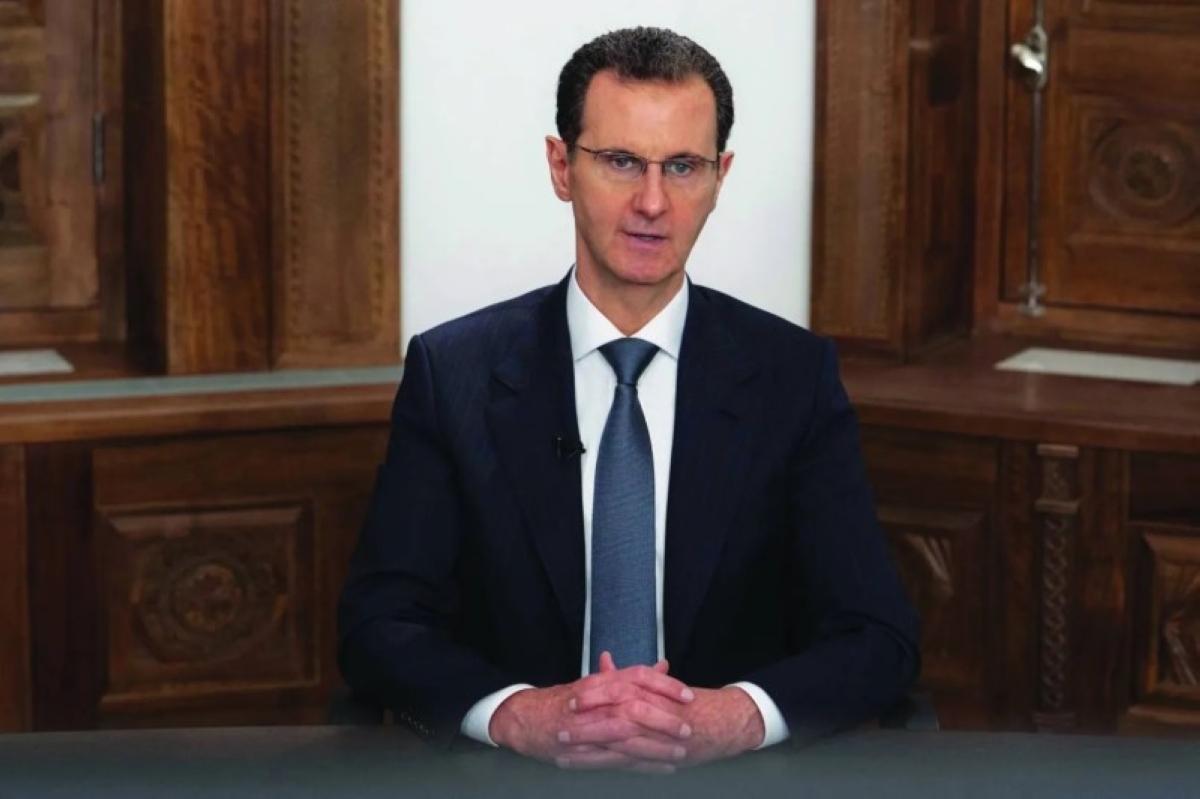
للمرة الثالثة، أصدر القضاء الفرنسي، اليوم (الخميس)، مذكرة توقيف دولية جديدة بحق الرئيس السوري السابق بشار الأسد بتهمة شن هجمات كيميائية فتاكة في 2013.
وأكد مصدر قضائي فرنسي، أن قضاة في باريس وقعوا هذه المذكرة بتهمة التواطؤ في ارتكاب جرائم ضد الإنسانية والتواطؤ في جرائم حرب في 29 يوليو، أي بعد بضعة أيام من إلغاء القضاء الفرنسي مذكرة أولى في هذا الملف، وفي اليوم نفسه، طلبت النيابة الوطنية لمكافحة الإرهاب المعنية بالجرائم ضد الإنسانية، إصدار مذكرة جديدة.
مذكرات توقيف سابقة
وكانت محكمة النقض ألغت في 25 يوليو المذكرة الأولى التي صدرت في نوفمبر 2023 باسم الحصانة المطلقة التي يتمتع بها رئيس دولة أثناء ممارسته مهماته، بما أن الأسد كان لا يزال في السلطة يومها، لكن المحكمة الأعلى في القضاء الفرنسي أوضحت أنه يمكن إصدار مذكرات توقيف أخرى، كون الأسد أطيح به في 8 ديسمبر 2024.
ونُفذت هذه الهجمات الكيميائية المنسوبة إلى النظام السوري في 5 أغسطس 2013 في عدرا ودوما وخلفت 450 جريحا، ثم في 21 أغسطس في الغوطة الشرقية وأسفرت عن مقتل أكثر من ألف شخص بغاز السارين، وفق الاستخبارات الأمريكية.
وكانت المحاكم الفرنسية أصدرت سابقا مذكرتي توقيف أخريين تستهدفان الأسد الذي يعيش حالياً في روسيا، إحداهما في 20 يناير 2025 بتهمة التواطؤ في جريمة حرب، لقصف منطقة سكنية مدنية في درعا (جنوب غرب سوريا) العام 2017، فيما صدرت مذكرة توقيف أخرى في 19 أغسطس بتهمة التواطؤ في جرائم حرب وجرائم ضد الإنسانية، وتتعلق بقصف مركز لصحفيين في حمص (وسط) العام 2012، والذي أسفر عن مقتل المراسلة الأمريكية ماري كولفين والمصور الفرنسي المستقل ريمي أوشليك.
الشرطة الجنائية الدولية
وأصدر القضاء السوري نهاية شهر سبتمبر الماضي (2025)، مذكرة توقيف غيابية بحق الأسد، تمهيداً لمتابعة القضية دولياً عبر منظمة الشرطة الجنائية الدولية (الإنتربول).
وتشمل المذكرات السابقة أيضاً الأسد وأخاه ماهر (قائد الفرقة الرابعة المدرعة)، والجنرال غسان عباس (مدير مركز الدراسات والبحوث العلمية SSRC، المسؤول عن برنامج الأسلحة الكيميائية)، والجنرال بسام الحسن (مستشار رئاسي للأمن).
وأكدت منظمة حظر الأسلحة الكيميائية (OPCW) مسؤولية النظام السوري عن هذه الهجمات، رغم نفي دمشق التهم وادعائها أنها عمل معارضين لاستدراج التدخل الخارجي.
سابقة تاريخية
تُعد هذه المذكرة الثالثة سابقة تاريخية، إذ هي الأولى ضد رئيس دولة سابق في سياق جرائم كيميائية، وتعزز مبدأ الاختصاص العالمي في فرنسا، الذي يسمح بمحاكمة جرائم الحرب بغض النظر عن الموقع، وبحسب خبراء قانونيين : تثبت هذه المذكرة مسؤولية الأسد الشخصية في سلسلة القيادة، وتفتح الباب لمحاكمة غيابية قد تُصدر حكماً بالسجن 20 عاماً أو أكثر، كما أنها تأتي في سياق حملات أوروبية أوسع.
وفي ألمانيا و السويد، صدرت شكاوى مشابهة، وفي مارس 2025، حُكم على رفعت الأسد عم الرئيس السوري السابق، بالسجن المؤبد في سويسرا بتهمة مذبحة حماة 1982.
وطالب الرئيس السوري الحالي أحمد الشرع خلال زيارته إلى موسكو الأسبوع الماضي، بتسليم الأسد لمحاكمته، وفق ما أفادت حينها وزارة الخارجية.
For the third time, the French judiciary issued a new international arrest warrant today (Thursday) against former Syrian President Bashar al-Assad on charges of launching deadly chemical attacks in 2013.
A French judicial source confirmed that judges in Paris signed this warrant on charges of complicity in committing crimes against humanity and complicity in war crimes on July 29, just a few days after the French judiciary canceled an initial warrant in this case. On the same day, the National Anti-Terrorism Prosecutor's Office, which deals with crimes against humanity, requested the issuance of a new warrant.
Previous Arrest Warrants
The Court of Cassation had canceled the first warrant issued in November 2023 on the grounds of the absolute immunity enjoyed by a head of state while performing their duties, as Assad was still in power at that time. However, the highest court in the French judiciary clarified that other arrest warrants could be issued since Assad was ousted on December 8, 2024.
The chemical attacks attributed to the Syrian regime were carried out on August 5, 2013, in Adra and Douma, resulting in 450 injuries, and then on August 21 in Eastern Ghouta, leading to the deaths of more than a thousand people due to sarin gas, according to U.S. intelligence.
French courts had previously issued two other arrest warrants targeting Assad, who currently resides in Russia. One was issued on January 20, 2025, on charges of complicity in a war crime for bombing a civilian residential area in Daraa (southwestern Syria) in 2017, while another arrest warrant was issued on August 19 on charges of complicity in war crimes and crimes against humanity, related to the bombing of a center for journalists in Homs (central Syria) in 2012, which resulted in the deaths of American correspondent Marie Colvin and independent French photographer Rémi Ochlik.
International Criminal Police
The Syrian judiciary issued an absentia arrest warrant against Assad at the end of September 2025, in preparation for pursuing the case internationally through the International Criminal Police Organization (Interpol).
The previous warrants also include Assad's brother Maher (commander of the Fourth Armored Division), General Ghassan Abbas (director of the Scientific Studies and Research Center, responsible for the chemical weapons program), and General Bassam al-Hassan (presidential advisor for security).
The Organization for the Prohibition of Chemical Weapons (OPCW) confirmed the Syrian regime's responsibility for these attacks, despite Damascus denying the accusations and claiming they were the work of opponents to provoke foreign intervention.
Historical Precedent
This third warrant is a historical precedent, as it is the first against a former head of state in the context of chemical crimes, reinforcing the principle of universal jurisdiction in France, which allows for the prosecution of war crimes regardless of location. According to legal experts, this warrant establishes Assad's personal responsibility in the chain of command and opens the door for an absentia trial that could issue a sentence of 20 years or more, and it comes in the context of broader European campaigns.
In Germany and Sweden, similar complaints have been filed, and in March 2025, Rifaat al-Assad, the uncle of the former Syrian president, was sentenced to life in prison in Switzerland for the Hama massacre of 1982.
The current Syrian president, Ahmad al-Shara, during his visit to Moscow last week, called for Assad's extradition for trial, as reported by the Foreign Ministry at that time.