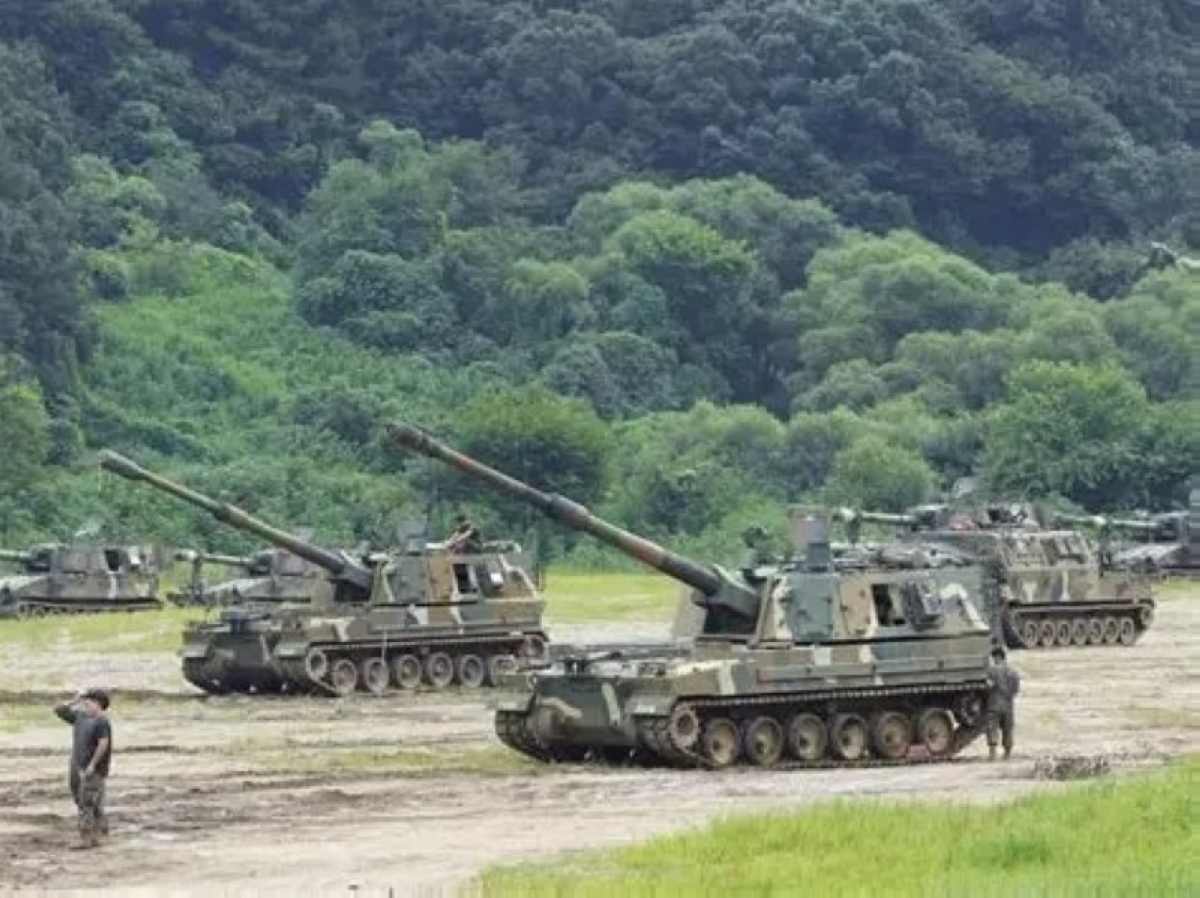
أعلن الرئيس الكوري الجنوبي لي جاي ميونغ أن بلاده ستحتل المرتبة الرابعة عالميًا كقوة دفاعية بحلول نهاية العقد الحالي، متجاوزا دولا أوروبية كبرى ومُساوقا الولايات المتحدة، وروسيا، والصين، وذلك في تصريح جريء يعكس طموح كوريا الجنوبية في تعزيز مكانتها العالمية.
وشدد «لي» على أن «كوريا الجنوبية لن تكون مجرد اقتصاد قوي، بل قوة دفاعية رائدة تحمي أمنها وأمن حلفائها في مواجهة التهديدات المتزايدة من كوريا الشمالية والتحالفات الإقليمية المعادية»، مؤكدا أن بلاده تبني «جيشًا لا يُهزم، ليس للغزو، بل للردع»، مضيفًا أن كوريا الجنوبية أصبحت الرابعة عالميًا في إنتاج الأسلحة، مع تصدير يتجاوز 20 مليار دولار سنويًا.
وجاء الإعلان خلال كلمة افتتاحية للرئيس الكوري في معرض سيئول الدولي للطيران والدفاع (ADEX 2025)، أكبر معرض أسلحة في تاريخ كوريا الجنوبية، حيث عرضت الشركات المحلية أحدث الابتكارات في مجال الطائرات المقاتلة غير المأهولة، والذكاء الاصطناعي المعزز، والصواريخ المتقدمة.
الميزانية الدفاعية
وأوضح أن هذا الطموح مدعوم بميزانية دفاعية تصل إلى 3% من الناتج المحلي الإجمالي بحلول 2030، مع التركيز على تطوير الصواريخ الباليستية طويلة المدى، الطائرات المقاتلة المحلية مثل «كيه-اف-21»، والقدرات الإلكترونية والفضائية.
وأكد يون أن الشراكة مع الولايات المتحدة واليابان ستكون محورية، مشيرًا إلى اتفاقيات جديدة لمشاركة الذخيرة والتدريبات المشتركة، في سياق تصاعد التوترات مع بيونغ يانغ التي أجرت أكثر من 50 اختبارًا صاروخيًا هذا العام وحدها.
وأثار تصريح الرئيس لي تفاعلات متباينة داخليًا ودوليًا؛ فبينما أشاد التحالف العسكري بين سيئول وواشنطن بالخطة كـ«تعزيز للتوازن الإقليمي»، عبرت بعض الأوساط التقدمية في
وتعتمد كوريا الجنوبية، التي تحولت من دولة مدمرة بعد الحرب الكورية (1950-1953) إلى الاقتصاد الرابع عشر عالميًا، دفاعيًا بشكل كبير على الولايات المتحدة التي توفر 28,500 جنديًا في قواعدها هناك، حيث بلغت ميزانيتها الدفاعية 50 مليار دولار في 2025، مما يجعلها الرابعة عالميًا في الإنفاق العسكري وفقًا لمعهد ستوكهولم لأبحاث السلام، متجاوزة دولًا مثل الهند والمملكة المتحدة.
South Korean President Yoon Suk-yeol announced that his country will rank fourth globally as a defensive power by the end of the current decade, surpassing major European countries and aligning with the United States, Russia, and China. This bold statement reflects South Korea's ambition to enhance its global standing.
Yoon emphasized that "South Korea will not just be a strong economy, but a leading defensive power that protects its own security and that of its allies in the face of increasing threats from North Korea and hostile regional alliances," asserting that his country is building "an invincible army, not for invasion, but for deterrence." He added that South Korea has become the fourth largest in the world in arms production, with exports exceeding $20 billion annually.
The announcement came during the opening speech of the South Korean president at the Seoul International Aerospace and Defense Exhibition (ADEX 2025), the largest arms exhibition in South Korea's history, where local companies showcased the latest innovations in unmanned combat aircraft, enhanced artificial intelligence, and advanced missiles.
Defense Budget
He explained that this ambition is supported by a defense budget reaching 3% of GDP by 2030, focusing on the development of long-range ballistic missiles, domestic fighter jets like the "K-F21," and electronic and space capabilities.
Yoon confirmed that the partnership with the United States and Japan will be pivotal, pointing to new agreements for ammunition sharing and joint exercises, amid rising tensions with Pyongyang, which has conducted more than 50 missile tests this year alone.
President Yoon's statement sparked mixed reactions both domestically and internationally; while the military alliance between Seoul and Washington praised the plan as a "strengthening of regional balance," some progressive circles expressed concerns.
South Korea, which transformed from a war-torn country after the Korean War (1950-1953) to the world's fourteenth-largest economy, relies heavily on the United States for defense, which provides 28,500 troops at its bases there. Its defense budget is projected to reach $50 billion in 2025, making it the fourth largest in military spending according to the Stockholm International Peace Research Institute, surpassing countries like India and the United Kingdom.