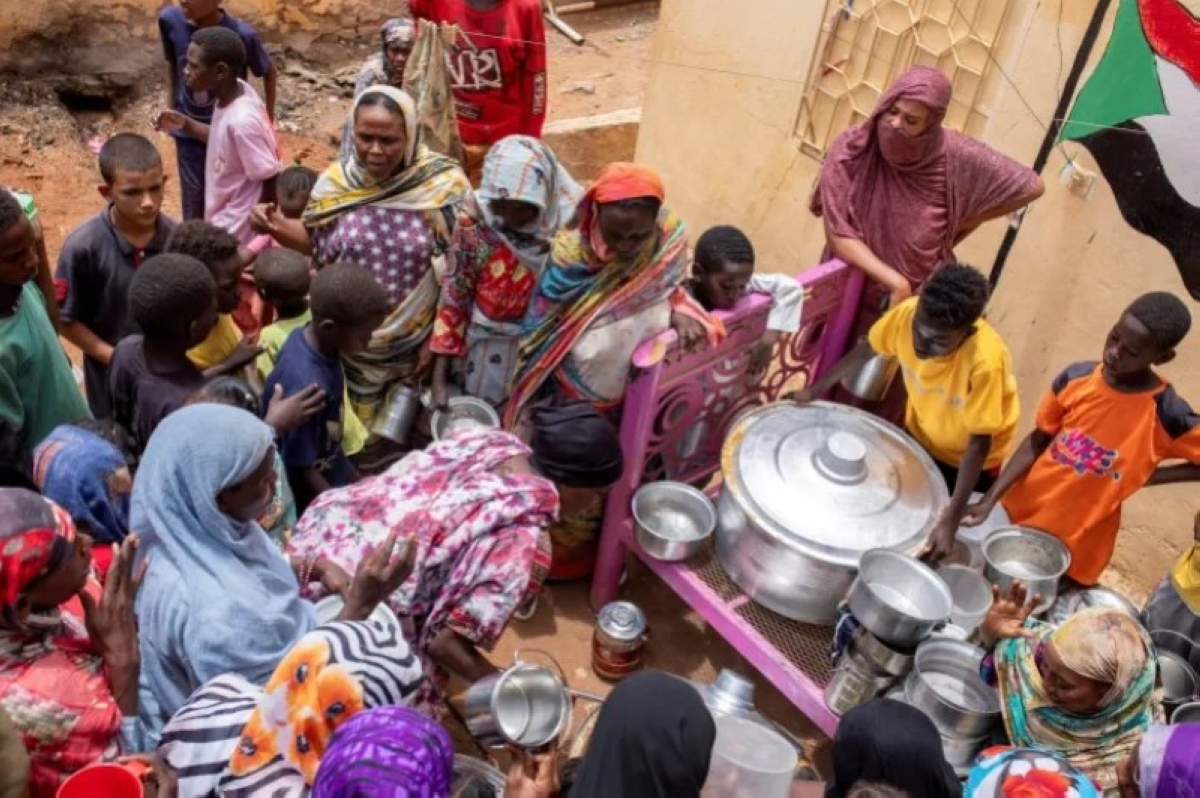
حذّر برنامج الأغذية العالمي التابع للأمم المتحدة، من أن ملايين البشر مهددون بفقدان المساعدات الغذائية المنقذة للحياة، في ظل أزمة تمويل غير مسبوقة تهدد 6 من أبرز عملياته الإنسانية حول العالم.
وكشف البرنامج في تقريره الأخير، أن التراجع الحاد في الدعم الدولي، بعد تقليص المساعدات الأمريكية، سيؤدي إلى انخفاض تمويله بنسبة 40% عام 2025 مقارنة بالعام السابق، ليهبط من 10 مليارات دولار إلى 6.4 مليارات دولار فقط.
وأعلنت المديرة التنفيذية للبرنامج سيندي ماكين، أن الفجوة بين ما يحتاجه البرنامج وما يستطيع تنفيذه «لم تكن أوسع مما هي عليه اليوم»، محذّرة من أن العالم قد يخسر عقوداً من التقدم في مكافحة الجوع.
دول على حافة المجاعة
وحذّر من أن استمرار هذا التراجع في التمويل سيؤدي إلى خسارة ملايين الأرواح، داعياً المجتمع الدولي إلى التحرك السريع لتفادي كارثة إنسانية وشيكة.
وأفصح التقرير أن نحو 13.7 مليون شخص إضافي قد ينزلقون من مرحلة الأزمة إلى الطوارئ في مستويات انعدام الأمن الغذائي، أي بزيادة تقارب الثلث.
وحسب التقرير، فإن الدول الأكثر تضررا تشمل:
– السودان: يواجه نصف السكان (25 مليون شخص) انعداماً حاداً في الأمن الغذائي، بينما لا تصل المساعدات إلا إلى 4 ملايين شهرياً.
– جنوب السودان: جميع المستفيدين يتلقون حصصاً مخفضة، وبعض المواد الأساسية ستنفد بنهاية أكتوبر.
– الصومال: يواجه 4.4 مليون شخص مستويات مرتفعة من الجوع، في حين سيُخفض عدد المستفيدين من 1.1 مليون إلى 350 ألفاً فقط بسبب فجوة تمويلية تتجاوز 98 مليون دولار.
– الكونغو الديمقراطية: المساعدات تقلصت إلى 600 ألف شخص بدلاً من 2.3 مليون، مع تحذير من توقف كامل بحلول فبراير 2026.
– هاييتي: توقفت برامج الوجبات الساخنة، والعائلات لا تتلقى سوى نصف الحصة الشهرية.
– أفغانستان: لا تصل المساعدات إلا إلى أقل من 10% من المحتاجين رغم تفاقم سوء التغذية.
ولفت التقرير إلى أن المكاسب التي تحققت في منطقة الساحل، حيث ساعدت برامج الدمج بين الإغاثة وبناء القدرة على الصمود في إخراج نصف مليون شخص من الاعتماد على المساعدات، باتت مهددة بالانهيار إذا لم يتجدد التمويل.
The United Nations World Food Programme warned that millions of people are at risk of losing life-saving food assistance amid an unprecedented funding crisis threatening six of its major humanitarian operations worldwide.
The program revealed in its latest report that the sharp decline in international support, following cuts to U.S. aid, will lead to a 40% decrease in its funding in 2025 compared to the previous year, dropping from $10 billion to just $6.4 billion.
WFP Executive Director Cindy McCain announced that the gap between what the program needs and what it can implement "has never been wider than it is today," warning that the world could lose decades of progress in the fight against hunger.
Countries on the Brink of Famine
It warned that the continued decline in funding will result in the loss of millions of lives, calling on the international community to act swiftly to avert an impending humanitarian disaster.
The report disclosed that about 13.7 million additional people could slip from crisis to emergency levels of food insecurity, an increase of nearly one-third.
According to the report, the most affected countries include:
– Sudan: Half of the population (25 million people) faces severe food insecurity, while aid reaches only 4 million monthly.
– South Sudan: All beneficiaries are receiving reduced rations, and some essential items will run out by the end of October.
– Somalia: 4.4 million people are facing high levels of hunger, while the number of beneficiaries will be reduced from 1.1 million to just 350,000 due to a funding gap exceeding $98 million.
– Democratic Republic of the Congo: Aid has been cut to 600,000 people instead of 2.3 million, with warnings of a complete halt by February 2026.
– Haiti: Hot meal programs have stopped, and families are receiving only half of the monthly ration.
– Afghanistan: Aid reaches less than 10% of those in need despite worsening malnutrition.
The report noted that the gains achieved in the Sahel region, where programs integrating relief and resilience-building helped lift half a million people out of aid dependency, are now at risk of collapse if funding is not renewed.