


أجرى وزير الخارجية المصري بدر عبدالعاطي، اليوم (السبت)، اتصالات مع وزير الخارجية الإيراني عباس عراقجي، والمدير العام للوكالة الدولية للطاقة الذرية رافائيل غروسي، والمبعوث الأمريكي إلى الشرق الأوسط ستيف ويتكوف، لمتابعة تطورات الملف النووي الإيراني.
وأفادت وزارة الخارجية المصرية في بيان، أن الاتصالات تأتي في إطار الجهود المبذولة لدعم الأمن والاستقرار وخفض التصعيد في المنطقة، والبناء على الزخم الذي تولّد عقب التوقيع على «اتفاق القاهرة» بين إيران، والوكالة الدولية للطاقة الذرية في 9 سبتمبر الماضي، موضحة أن الاتصالات تناولت ضرورة مواصلة العمل على خفض التصعيد وبناء الثقة وتهيئة الظروف لإعادة المسار التفاوضي بين إيران والولايات المتحدة، للتوصل إلى اتفاق شامل حول الملف النووي الإيراني، يراعي مصالح جميع الأطراف، ويسهم في تحقيق الأمن والاستقرار في المنطقة.
وأكدت الوزارة أنه تم الاتفاق على مواصلة متابعة الجهود والاتصالات، ودراسة الأفكار المطروحة لتحقيق الانفراجة المأمولة في هذا الشأن.
وتسعى الوكالة الدولية للطاقة الذرية لإعادة بناء التعاون مع طهران واستئناف عمليات التفتيش في منشآتها النووية، بعدما استهدفتها غارات إسرائيلية وأمريكية في يونيو الماضي، إلا أن نجاح مصر في سبتمبر، جمع إيران، والوكالة الدولية للطاقة الذرية على طاولة واحدة، أسهم بتقريب وجهات النظر بين الجانبين.
ووقعت إيران والوكالة الدولية للطاقة الذرية في العاصمة المصرية، القاهرة، اتفاقاً لاستئناف التعاون الفني بين الجانبين، ومنها الإجراءات العملية لعودة أنشطة تفتيش المنشآت النووية، وسط تحذيرات إيرانية من أن تطبيق عقوبات الأمم المتحدة يعني نهاية «الخطوات العملية» المنصوص عليها في الاتفاق.
وأعلنت إيران مطلع الشهر الجاري أن الاتفاق لم يعد سارياً بعدما أعادت دول الترويكا الأوروبية وهي فرنسا، وبريطانيا، وألمانيا، في أغسطس الماضي، تفعيل عقوبات الأمم المتحدة على إيران عبر استخدام آلية «سناب باك»، في إطار عملية انتهت صلاحيتها بحلول 18 أكتوبر 2025.
واعتبرت طهران أن تفعيل آلية «سناب باك» من قبل بريطانيا، وفرنسا، وألمانيا تم «دون أي أساس قانوني أو مبرر منطقي، وامتثالاً لإرادة الولايات المتحدة وحدها»، التي كانت انسحبت من الاتفاق النووي في عام 2018.
اتصالات مصرية ـ إيرانية ـ أمريكية لمناقشة الملف النووي
18 أكتوبر 2025 - 19:20
|
آخر تحديث 18 أكتوبر 2025 - 19:20
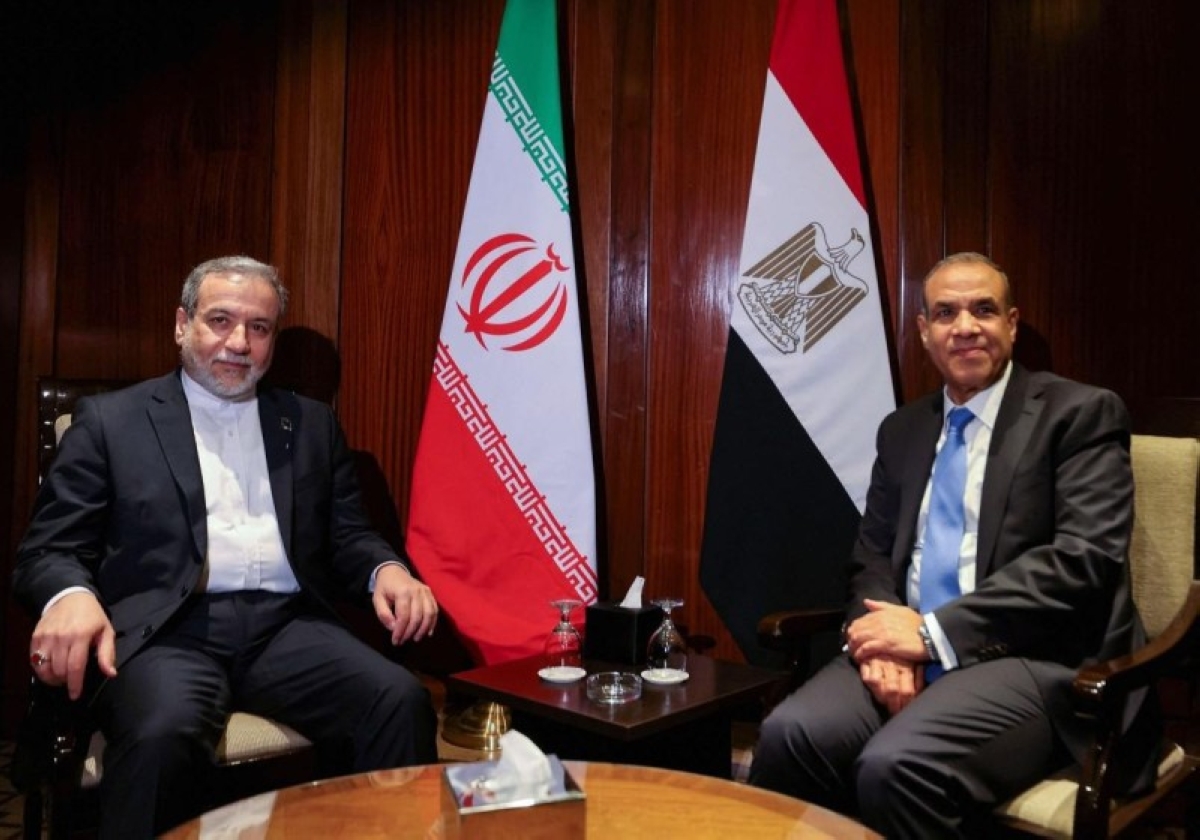
وزير الخارجية المصري والإيراني


تابع قناة عكاظ على الواتساب
«عكاظ» (جدة) okaz_online@
Egyptian Foreign Minister Badr Abdel Aati conducted communications today (Saturday) with Iranian Foreign Minister Abbas Araghchi, Director General of the International Atomic Energy Agency Rafael Grossi, and the U.S. envoy to the Middle East, Steve Hanke, to follow up on developments regarding the Iranian nuclear file.
The Egyptian Foreign Ministry stated in a statement that these communications come as part of efforts to support security and stability, reduce escalation in the region, and build on the momentum generated following the signing of the "Cairo Agreement" between Iran and the International Atomic Energy Agency on September 9th. It clarified that the discussions addressed the necessity of continuing efforts to de-escalate, build trust, and create conditions for resuming the negotiation track between Iran and the United States, to reach a comprehensive agreement regarding the Iranian nuclear file that takes into account the interests of all parties and contributes to achieving security and stability in the region.
The ministry confirmed that an agreement was reached to continue monitoring efforts and communications, and to study the proposed ideas to achieve the hoped-for breakthrough in this regard.
The International Atomic Energy Agency is seeking to rebuild cooperation with Tehran and resume inspection operations at its nuclear facilities, after they were targeted by Israeli and American airstrikes last June. However, Egypt's success in September in bringing Iran and the International Atomic Energy Agency to the same table contributed to narrowing the viewpoints between the two sides.
Iran and the International Atomic Energy Agency signed an agreement in the Egyptian capital, Cairo, to resume technical cooperation between the two sides, including practical measures for the return of inspection activities at nuclear facilities, amid Iranian warnings that the implementation of United Nations sanctions means the end of the "practical steps" stipulated in the agreement.
Iran announced earlier this month that the agreement is no longer valid after the European troika countries—France, Britain, and Germany—reactivated United Nations sanctions on Iran in August through the use of the "snapback" mechanism, as part of a process that expired on October 18, 2025.
Tehran considered that the activation of the "snapback" mechanism by Britain, France, and Germany was done "without any legal basis or logical justification, and in compliance with the will of the United States alone," which had withdrawn from the nuclear agreement in 2018.
The Egyptian Foreign Ministry stated in a statement that these communications come as part of efforts to support security and stability, reduce escalation in the region, and build on the momentum generated following the signing of the "Cairo Agreement" between Iran and the International Atomic Energy Agency on September 9th. It clarified that the discussions addressed the necessity of continuing efforts to de-escalate, build trust, and create conditions for resuming the negotiation track between Iran and the United States, to reach a comprehensive agreement regarding the Iranian nuclear file that takes into account the interests of all parties and contributes to achieving security and stability in the region.
The ministry confirmed that an agreement was reached to continue monitoring efforts and communications, and to study the proposed ideas to achieve the hoped-for breakthrough in this regard.
The International Atomic Energy Agency is seeking to rebuild cooperation with Tehran and resume inspection operations at its nuclear facilities, after they were targeted by Israeli and American airstrikes last June. However, Egypt's success in September in bringing Iran and the International Atomic Energy Agency to the same table contributed to narrowing the viewpoints between the two sides.
Iran and the International Atomic Energy Agency signed an agreement in the Egyptian capital, Cairo, to resume technical cooperation between the two sides, including practical measures for the return of inspection activities at nuclear facilities, amid Iranian warnings that the implementation of United Nations sanctions means the end of the "practical steps" stipulated in the agreement.
Iran announced earlier this month that the agreement is no longer valid after the European troika countries—France, Britain, and Germany—reactivated United Nations sanctions on Iran in August through the use of the "snapback" mechanism, as part of a process that expired on October 18, 2025.
Tehran considered that the activation of the "snapback" mechanism by Britain, France, and Germany was done "without any legal basis or logical justification, and in compliance with the will of the United States alone," which had withdrawn from the nuclear agreement in 2018.


