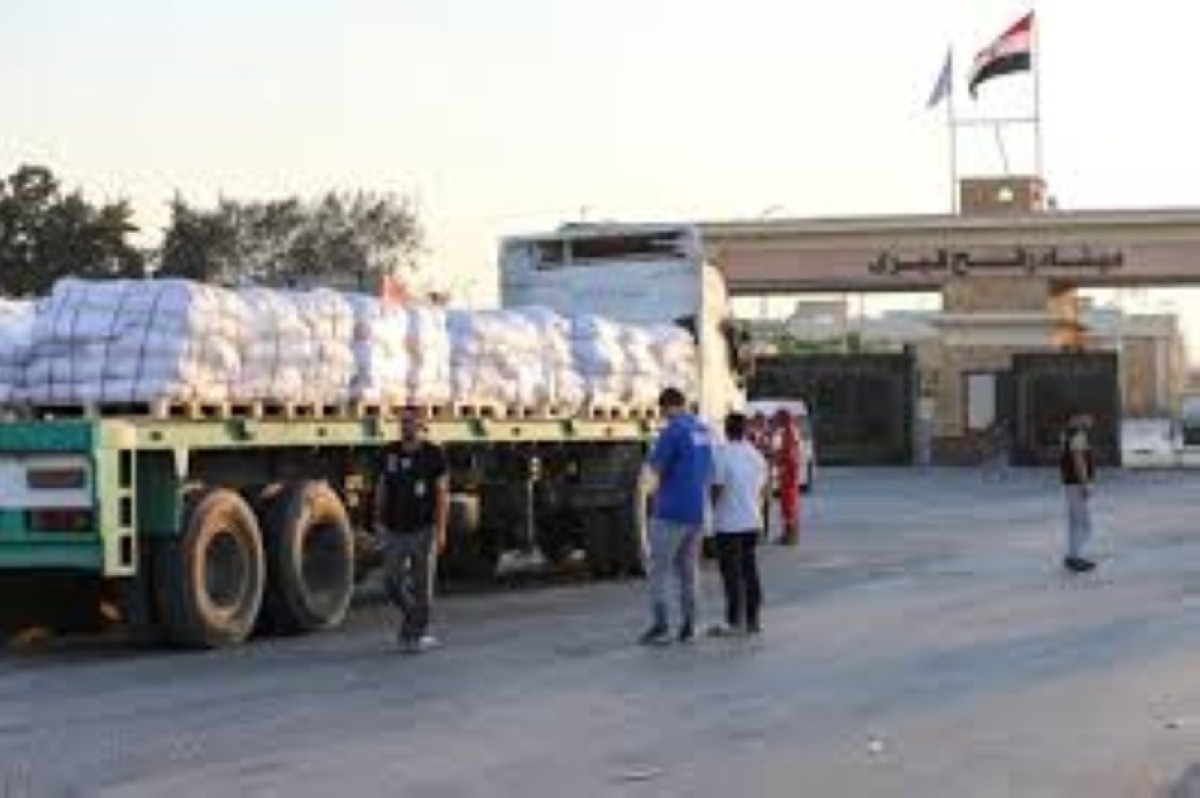
أعلن برنامج الأغذية العالمي التابع للأمم المتحدة، اليوم (الجمعة)، أنه لم يبدأ توزيع أي مساعدات غذائية في مدينة غزة، موضحاً أنه لم تصل سوى إمدادات محدودة بسبب إغلاق معابر الشمال الرئيسية.
وأفاد بأنه يدخل يومياً نحو 560 طناً من الأغذية في المتوسط إلى قطاع غزة منذ بدء وقف إطلاق النار، إلا أن الكمية لا تزال أقل ما يحتاجه سكان القطاع. وقالت المتحدثة باسم البرنامج عبير عطيفة لصحفيين في جنيف: إن كمية المساعدات أقل من الاحتياجات، لكننا نقترب من تحقيق ذلك، مؤكدة أن وقف إطلاق النار أتاح نافذة ضيقة، وأن برنامج الأغذية العالمي يتحرك بسرعة كبيرة لزيادة المساعدات الغذائية.
انتشار الأوبئة خارج السيطرة
وحول الوضع الصحي في القطاع، حذرت المديرة الإقليمية لمنظمة الصحة العالمية حنان بلخي، من أن انتشار الأوبئة في قطاع غزة أصبح «خارجاً عن السيطرة» فيما لم يعد يعمل في القطاع بأكمله سوى 13 مستشفى من أصل 36 وبشكل جزئي.
وأكدت إن القطاع الصحي في غزة تم تفكيكه، ولم يتبق سوى القليل جداً من نظام الرعاية الصحية في غزة.
وأفادت بأن انتشار الأمراض المعدية أصبح خارجاً عن السيطرة، سواءً التهاب السحايا أو متلازمة غيلان-باريه (اضطراب مناعي يصيب الأعصاب) والإسهال والأمراض التنفسية، مشيرة إلى أن «حجم العمل الذي تحتاجه غزة لا يمكن تخيله وسنضطر للتعامل معه خطوة بخطوة».
تدمير كامل للمستشفيات
تفيد بيانات منظمة الصحة العالمية بأن مدينة غزة أصبحت تعتمد على 8 مراكز صحية فقط، تعمل جميعها بشكل جزئي، فيما لا يوجد في شمال غزة سوى مركز صحي واحد. وتؤكد المنظمة أنه لا يوجد بالمراكز الصحية ما يكفي من الطواقم الطبية لاستئناف جميع الخدمات الحيوية.
وذكرت بلخي أن إعادة بناء القطاع الصحي في غزة تتطلب «مليارات الدولارات وعقوداً من العمل، بالنظر إلى عدد المستشفيات الصالحة لإعادة التأهيل مقابل تلك التي تم تدميرها بالكامل».
ولفتت إلى صعوبة تقدير حجم الخسائر داخل غزة بشكل دقيق بسبب صعوبة الحركة داخل القطاع وبسبب التغيرات المتسارعة.إعاقات دائمة
وحذرت بلخي من أن الأطفال الذين وُلدوا خلال العامين الماضيين، الكثير منهم على ما أتصور لم يتلقوا أي جرعات من التطعيمات.
ولفت تقرير للمنظمة الأممية صدر الشهر الجاري إلى أن ربع المصابين بجروح جراء الحرب والذين بلغ عددهم منذ أكتوبر 2023 حوالى 167,376، يعانون من إعاقات دائمة، وربعهم من الأطفال.
وتضاعفت احتياجات الصحة النفسية في قطاع غزة إلى أكثر من الضعف، غير أن «الخدمات المتاحة لا تسد الحاجة».
ودعت بلخي إلى السماح لمزيد من المصابين بالخروج من قطاع غزة إلى الضفة الغربية أو دول الجوار لتلقي العلاج، مشددة على الحاجة المتزايدة للوقود والغذاء ومزيد من المعدات الطبية والأدوية والمسعفين والأطباء.
وأوضحت بلخي أن خطة الاستجابة الأولية في القطاع الذي دمرته الحرب ستتضمن «الدعم الفوري لمراكز الرعاية الصحية» العامة والمتخصصة، بالإضافة إلى «دعم من أصيبوا بإصابات وإعاقات مدى الحياة.. وفي مجال الصحة النفسية والتعافي من متلازمة ما بعد الصدمة».
The United Nations World Food Programme announced today (Friday) that it has not begun distributing any food aid in the city of Gaza, explaining that only limited supplies have arrived due to the closure of the main northern crossings.
It reported that an average of about 560 tons of food enters the Gaza Strip daily since the ceasefire began, but the amount is still less than what the residents of the strip need. The programme's spokesperson, Abeer Atifa, told reporters in Geneva that the quantity of aid is less than the needs, but we are getting closer to achieving that, emphasizing that the ceasefire has provided a narrow window, and the World Food Programme is moving very quickly to increase food assistance.
Outbreaks Out of Control
Regarding the health situation in the strip, the regional director of the World Health Organization, Hanan Balkhy, warned that the outbreak of epidemics in the Gaza Strip has become "out of control," with only 13 hospitals out of 36 operating partially in the entire strip.
She confirmed that the health sector in Gaza has been dismantled, and very little of the healthcare system remains in Gaza.
She reported that the spread of infectious diseases has become out of control, whether it be meningitis, Guillain-Barré syndrome (an autoimmune disorder affecting the nerves), diarrhea, or respiratory diseases, noting that "the scale of work needed in Gaza is unimaginable, and we will have to deal with it step by step."
Complete Destruction of Hospitals
Data from the World Health Organization indicates that the city of Gaza now relies on only 8 health centers, all of which are operating partially, while there is only one health center in northern Gaza. The organization confirms that there are not enough medical staff in the health centers to resume all vital services.
Balkhy mentioned that rebuilding the health sector in Gaza requires "billions of dollars and years of work, considering the number of hospitals that can be rehabilitated compared to those that have been completely destroyed."
She pointed out that it is difficult to accurately estimate the extent of the losses within Gaza due to the difficulty of movement within the strip and the rapid changes.Permanent Disabilities
Balkhy warned that many of the children born in the past two years have likely not received any vaccinations.
A report from the UN organization released this month indicated that a quarter of those injured due to the war, numbering around 167,376 since October 2023, suffer from permanent disabilities, with a quarter of them being children.
The need for mental health services in the Gaza Strip has more than doubled, yet "the available services do not meet the need."
Balkhy called for allowing more injured individuals to leave the Gaza Strip for the West Bank or neighboring countries for treatment, stressing the increasing need for fuel, food, more medical equipment, medicines, paramedics, and doctors.
Balkhy explained that the initial response plan in the war-torn sector will include "immediate support for public and specialized healthcare centers," in addition to "support for those who have sustained injuries and lifelong disabilities... and in the field of mental health and recovery from post-traumatic syndrome."