


في تطور عسكري غير مسبوق، كشفت تقارير بحثية دولية أن الجيش الروسي بدأ بتزويد طائراته المسيرة الصغيرة بذخائر عنقودية مصنوعة في كوريا الشمالية، ما يشير إلى تصاعد التعاون العسكري بين موسكو وبيونغ يانغ وسط استمرار الحرب في أوكرانيا.
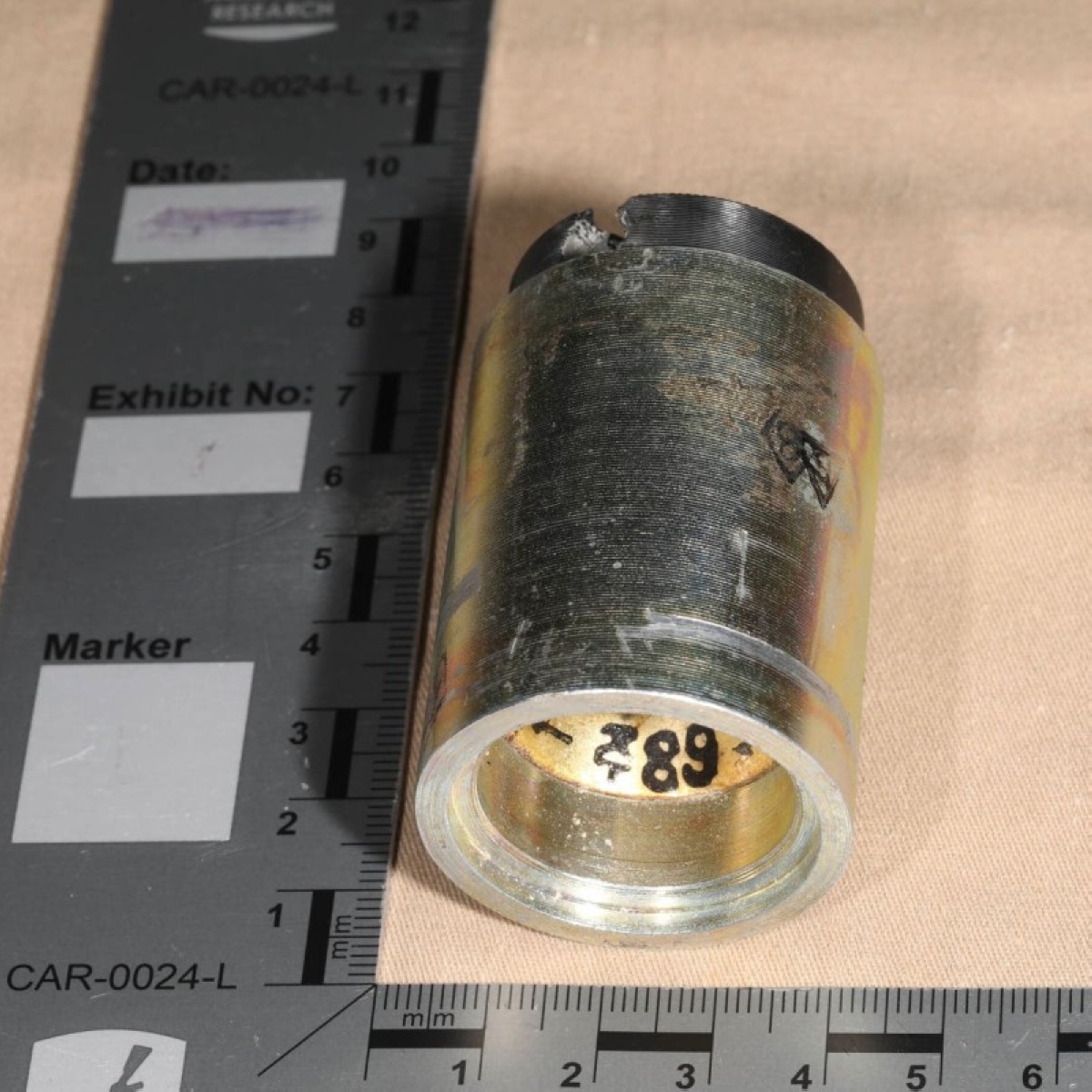
ووفقًا لمنظمة Conflict Armament Research البريطانية، فقد عُثر في 23 سبتمبر الماضي على طائرة مسيرة روسية سقطت قرب مدينة خيرسون جنوبي أوكرانيا، كانت مزودة برأس حربي غير معروف سابقًا. وأكد المحققون أن الذخيرة تعود إلى عام 2000، وتم تعديلها بشكل احترافي باستخدام تقنيات الطباعة ثلاثية الأبعاد وصواعق إلكترونية دقيقة لتنفجر فور اصطدامها بالهدف.
ويشبه هذا النوع من الذخائر إلى حد كبير قنابل M42 الأمريكية التي استُخدمت للمرة الأولى في حرب الخليج عام 1991. وقد صُمم ليُطلق من المدفعية أو الصواريخ، لكنه اليوم يُستخدم بشكل مختلف: عبر طائرات FPV المسيرة التي تسمح بتوجيه دقيق من قِبل الجنود الروس.
ويأتي هذا التطور في وقت حرج، إذ أعلنت الإدارة الأمريكية نيتها تزويد أوكرانيا بصواريخ "توماهوك" بعيدة المدى، في محاولة للضغط على موسكو للتفاوض على إنهاء الحرب المستمرة منذ أكثر من ثلاث سنوات.
وتؤكد هذه الحادثة وجود رابط مادي مباشر بين الصناعة العسكرية الكورية الشمالية وساحات القتال في أوكرانيا، ما يزيد من تعقيد المشهد الجيوسياسي للحرب. كما تثير الذخائر العنقودية قلقًا دوليًا بسبب ارتفاع معدل فشل تفجيرها، مما يجعلها خطرًا دائمًا على المدنيين بعد انتهاء المعارك.
يذكر أن روسيا تنتج هياكل هذه الطائرات محليًا، فيما يتم استيراد معظم مكوناتها من الصين، ما يعكس شبكة تسليح مرنة تعتمد على دول حليفة لتجاوز العقوبات الغربية.
روسيا تفاجئ العالم بذخائر كورية في طائراتها المسيرة
17 أكتوبر 2025 - 07:30
|
آخر تحديث 17 أكتوبر 2025 - 07:30


تابع قناة عكاظ على الواتساب
«عكاظ» (جدة) okaz_online@
In an unprecedented military development, international research reports have revealed that the Russian army has begun equipping its small drones with cluster munitions manufactured in North Korea, indicating a rise in military cooperation between Moscow and Pyongyang amid the ongoing war in Ukraine.
According to the British organization Conflict Armament Research, a Russian drone was found on September 23 near the city of Kherson in southern Ukraine, equipped with a warhead previously unknown. Investigators confirmed that the munitions date back to 2000 and have been professionally modified using 3D printing technologies and precise electronic fuses to explode upon impact with the target.
This type of munitions closely resembles the American M42 bombs that were first used in the Gulf War in 1991. It was designed to be launched from artillery or rockets, but today it is used differently: via FPV drones that allow for precise targeting by Russian soldiers.
This development comes at a critical time, as the U.S. administration has announced its intention to supply Ukraine with long-range "Tomahawk" missiles, in an attempt to pressure Moscow into negotiating an end to the war that has been ongoing for more than three years.
This incident confirms a direct material link between North Korean military production and the battlefields in Ukraine, complicating the geopolitical landscape of the war. Additionally, cluster munitions raise international concerns due to their high failure rate, making them a persistent danger to civilians after the fighting has ended.
It is noteworthy that Russia produces the airframes of these drones locally, while most of their components are imported from China, reflecting a flexible arms network that relies on allied countries to circumvent Western sanctions.
According to the British organization Conflict Armament Research, a Russian drone was found on September 23 near the city of Kherson in southern Ukraine, equipped with a warhead previously unknown. Investigators confirmed that the munitions date back to 2000 and have been professionally modified using 3D printing technologies and precise electronic fuses to explode upon impact with the target.
This type of munitions closely resembles the American M42 bombs that were first used in the Gulf War in 1991. It was designed to be launched from artillery or rockets, but today it is used differently: via FPV drones that allow for precise targeting by Russian soldiers.
This development comes at a critical time, as the U.S. administration has announced its intention to supply Ukraine with long-range "Tomahawk" missiles, in an attempt to pressure Moscow into negotiating an end to the war that has been ongoing for more than three years.
This incident confirms a direct material link between North Korean military production and the battlefields in Ukraine, complicating the geopolitical landscape of the war. Additionally, cluster munitions raise international concerns due to their high failure rate, making them a persistent danger to civilians after the fighting has ended.
It is noteworthy that Russia produces the airframes of these drones locally, while most of their components are imported from China, reflecting a flexible arms network that relies on allied countries to circumvent Western sanctions.


