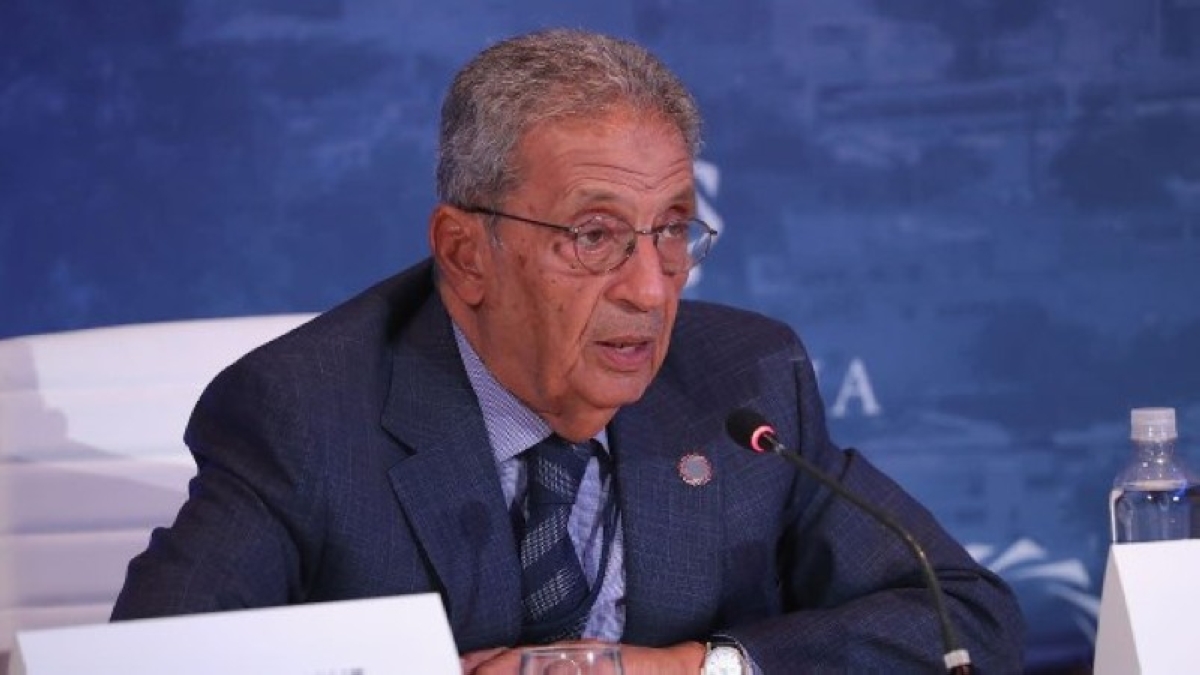
أكد الأمين العام السابق لجامعة الدول العربية ووزير الخارجية المصري السابق عمرو موسى، أن قمة شرم الشيخ للسلام تمثل «لحظة دقيقة وخطيرة» في مسار القضية الفلسطينية، واصفا إياها بأنها مرحلة إيجابية، لكنها ليست النهاية الحقيقية للأزمة.
وأوضح موسى أن المرحلة الأولى من خطة الرئيس الأمريكي دونالد ترمب لوقف إطلاق النار في غزة حققت تقدما ملحوظا، مشيرا إلى عناصر إيجابية تشمل إنهاء الحرب، وعودة الفلسطينيين إلى مدنهم وقراهم، وفتح المعابر لتدفق المساعدات الإنسانية، والإفراج عن الرهائن والأسرى الفلسطينيين، وانسحاب القوات الإسرائيلية.
قمة شرم الشيخ
خطوة ليست كافية
ومع ذلك، حذر من أن هذه الخطوة ليست كافية، إذ إنها تُعالج أعراض الأزمة وليس أسبابها الجذرية، مؤكدا أن «ما يحدث اليوم هو إنهاء لوضع بائس عاشه الفلسطينيون منذ سنوات، لكن جذور الأزمة تعود إلى أحداث ما قبل 7 أكتوبر».
وحذر موسى من استمرار خطر التهجير القسري للفلسطينيين، على الرغم من اتفاق وقف إطلاق النار، مشيرا إلى استمرار هدم القرى الفلسطينية، وطرد السكان من منازلهم، وبناء المستوطنات الإسرائيلية، إلى جانب ما وصفه بـ«القسوة الإسرائيلية الدموية»، مؤكدا أن الجانب الإسرائيلي المتطرف، بقيادة رئيس الوزراء بنيامين نتنياهو ووزرائه مثل بتسلئيل سموتريش وإيتمار بن غفير «غير قادر على تحقيق السلام»، لأنهم يسعون إلى «الإخضاع والتسليم» بدلا من التفاوض العادل.
وثمّن موسى خلال لقائه في برنامج «يحدث في مصر» على قناة «إم بي سي مصر» إصرار المملكة العربية السعودية على ربط أي تطبيع مع إسرائيل بإقامة الدولة الفلسطينية، كما أشاد بالموقف المصري الثابت برفض التهجير القسري، معتبرا أنه يحمي القضية الفلسطينية من التصفية، وقال: «هذان الموقفان مبنيان على منطق سياسي واضح وتفكير إستراتيجي سليم، وهما يعكسان مصلحة عربية كبيرة».
ودعا الأمين العام السابق لجامعة الدول العربية إلى تفويض المملكة العربية السعودية ومصر والأردن لقيادة مفاوضات إقامة الدولة الفلسطينية نيابة عن الدول العربية، مؤكدا أهمية الزيارة المرتقبة لولي العهد السعودي الأمير محمد بن سلمان إلى الولايات المتحدة لمناقشة الوضع الخطير في الضفة الغربية.
وفي سياق تحليله للقضية الفلسطينية، أشار موسى إلى أنها كانت قد تراجعت قبل أحداث 7 أكتوبر 2023، حيث «وضعت على الرف» وسط قبول دولي ضمني للرواية الإسرائيلية بإقامة دولة يهودية على حساب الحقوق الفلسطينية، مرجعا ذلك إلى الانقسامات الفلسطينية والضعف الداخلي، لكنه شدد على أن «المقاومة كانت ردا على محاولات نسيان القضية»، رغم أن رد الفعل الإسرائيلي وصل إلى مستوى «الإبادة الجماعية».
وأكد أن الموقف العربي يجب أن يظل حازما في رفض نسيان هذه الجرائم والعمل على تحقيق سلام عادل عبر حل الدولتين وقيام دولة فلسطينية مستقلة، مشددا على أن الاستقرار الإقليمي يتطلب معالجة الوضع الفلسطيني بشكل نهائي، وداعيا إلى البدء فورا في مفاوضات جادة لضمان حق تقرير المصير، قائلا: «هذا ليس حلما، بل واقع يجب العمل عليه بمراحل واضحة للوصول إلى السلام الحقيقي».
The former Secretary-General of the Arab League and former Egyptian Foreign Minister Amr Moussa confirmed that the Sharm El-Sheikh peace summit represents a "delicate and dangerous moment" in the course of the Palestinian issue, describing it as a positive phase, but not the true end of the crisis.
Moussa explained that the first phase of U.S. President Donald Trump's plan for a ceasefire in Gaza has made significant progress, pointing to positive elements including the end of the war, the return of Palestinians to their cities and villages, the opening of crossings for the flow of humanitarian aid, the release of hostages and Palestinian prisoners, and the withdrawal of Israeli forces.
قمة شرم الشيخ
A Step That Is Not Enough
However, he warned that this step is not enough, as it addresses the symptoms of the crisis rather than its root causes, emphasizing that "what is happening today is an end to a miserable situation that Palestinians have lived in for years, but the roots of the crisis go back to events before October 7."
Moussa warned of the continued risk of forced displacement of Palestinians, despite the ceasefire agreement, pointing to the ongoing demolition of Palestinian villages, the expulsion of residents from their homes, and the construction of Israeli settlements, alongside what he described as "Israeli bloody cruelty," asserting that the extremist Israeli side, led by Prime Minister Benjamin Netanyahu and his ministers such as Bezalel Smotrich and Itamar Ben Gvir, "is incapable of achieving peace," as they seek "subjugation and surrender" instead of fair negotiation.
Moussa praised, during his appearance on the program "Happening in Egypt" on MBC Masr, Saudi Arabia's insistence on linking any normalization with Israel to the establishment of a Palestinian state, and he commended Egypt's steadfast position in rejecting forced displacement, considering it a protection for the Palestinian cause from liquidation. He said: "These two positions are based on clear political logic and sound strategic thinking, and they reflect a significant Arab interest."
The former Secretary-General of the Arab League called for delegating Saudi Arabia, Egypt, and Jordan to lead negotiations for the establishment of a Palestinian state on behalf of the Arab countries, emphasizing the importance of the upcoming visit of Saudi Crown Prince Mohammed bin Salman to the United States to discuss the grave situation in the West Bank.
In analyzing the Palestinian issue, Moussa pointed out that it had declined before the events of October 7, 2023, as it was "put on the shelf" amid implicit international acceptance of the Israeli narrative of establishing a Jewish state at the expense of Palestinian rights, attributing this to Palestinian divisions and internal weakness. However, he stressed that "resistance was a response to attempts to forget the issue," even though the Israeli reaction reached the level of "genocide."
He confirmed that the Arab position must remain firm in rejecting the forgetfulness of these crimes and working towards achieving a just peace through a two-state solution and the establishment of an independent Palestinian state, stressing that regional stability requires a definitive resolution of the Palestinian situation, calling for immediate initiation of serious negotiations to ensure the right to self-determination, saying: "This is not a dream, but a reality that must be worked on with clear stages to reach true peace."