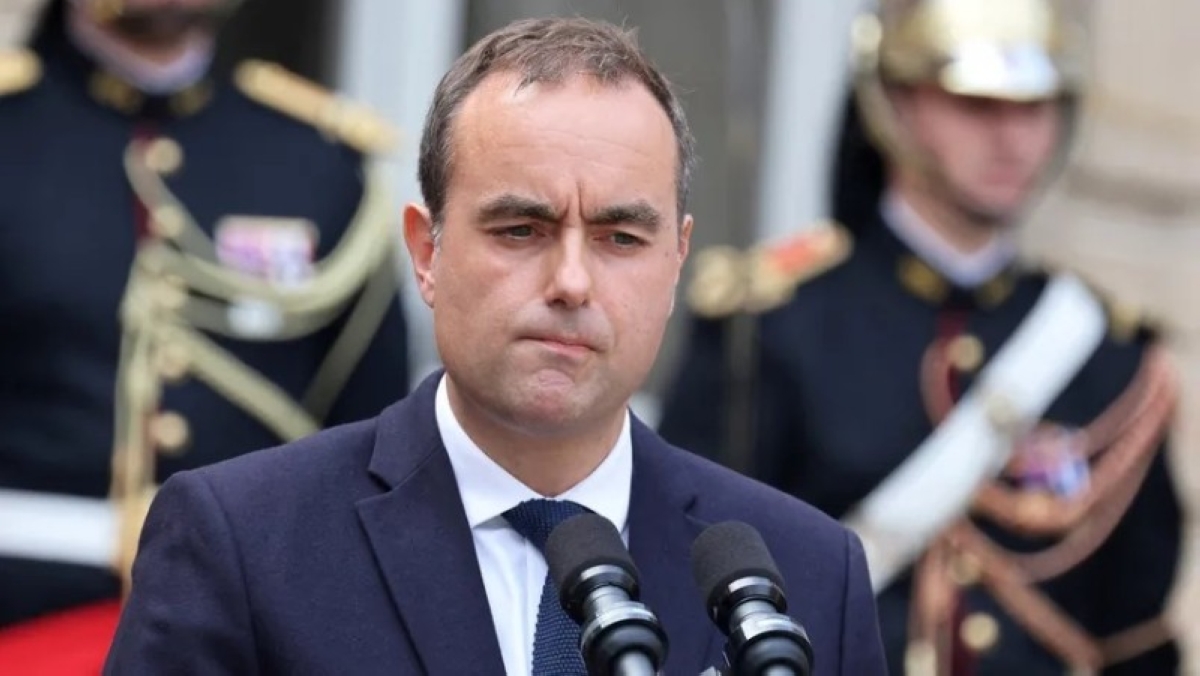
وسط صراعات سياسية داخلية، يلقي رئيس الوزراء الفرنسي سيباستيان لوكورنو، أول خطاب له أمام البرلمان، اليوم (الثلاثاء)، في لحظة تبدو حاسمة لحكومته الجديدة، التي تسعى لتمرير الميزانية واستعادة قدر من الاستقرار السياسي. وكشفت مصادر فرنسية أن مشروع الموازنة الجديد يتضمن 29 إجراء ضريبياً.
وتعهد حزب «التجمع الوطني» اليميني المتطرف بقيادة مارين لوبان، واليسار الراديكالي، بإسقاط حكومة لوكورنو من خلال اقتراح حجب الثقة هذا الأسبوع، بغض النظر عما سيقترحه خلال جلسة البرلمان.
تنازلات لإقناع الأحزاب
ويعتمد بقاء لوكورنو السياسي على التنازلات التي سيقدمها اليوم، لإقناع عدد من الأحزاب الأخرى بالامتناع عن التصويت في هذه الجلسات، وإذا فشل سيصبح ثالث رئيس وزراء يُجبر على الاستقالة خلال أقل من عام، ما سيترك أمام الرئيس إيمانويل ماكرون خيارات محدودة، بينها الدعوة إلى انتخابات تشريعية جديدة.
وأدت الانتخابات المبكرة العام الماضي وما تلاها من حالة عدم يقين مالي وسياسي، إلى عمليات بيع واسعة للأصول الفرنسية، ما رفع تكاليف اقتراض الدولة مقارنة بنظرائها.
وخلال اجتماع مع الوزراء الجدد، أمس (الاثنين)، قال لوكورنو: مهمتنا الوحيدة هي الارتقاء فوق هذه الأزمة السياسية التي نمر بها، وتجاوزها، إنها أزمة تركت جزءاً من مواطنينا في حالة ذهول، وربما أيضاً جزءاً من العالم يراقبنا.
ويتعرض لوكورنو لضغوط للاستجابة لمطالب تفكيك 8 سنوات من سياسات ماكرون الاقتصادية، في الوقت الذي يحاول فيه خفض العجز وطمأنة المستثمرين.
ويلعب الحزب الاشتراكي دوراً محورياً في تصويت حجب الثقة هذا الأسبوع، إذ يطالب بفرض ضريبة ثروة جديدة، وزيادة الضرائب على الشركات، وتقليص حجم التخفيضات في الميزانية، وتعليق قانون الرئيس الأساسي لعام 2023 الذي يرفع تدريجياً سن التقاعد الأدنى من 62 إلى 64 عاماً.
إصلاح نظام التقاعد
وأصبح إصلاح نظام التقاعد محور النقاش السياسي في الأيام الأخيرة، بينما رفضت الكتلة الوسطية اليسارية حتى الآن عرض الرئيس ماكرون الذي قدّمه (الجمعة)، ويقضي بتأجيل تطبيق الإجراءات بدلاً من تعليقها.
وأعلن زعيم الحزب الاشتراكي أوليفييه فور، أنه إذا تمسّك باقتراحه، فلن ندخل في أي نقاش حول الميزانية وسنقدم مذكرة حجب الثقة فوراً. لقد حان وقت الاختيار.
من جانبه، أفاد وزير المالية الفرنسي السابق إريك لومبارد، بأنه أوصى لوكورنو بتعليق إصلاح نظام التقاعد، مؤكداً أن وجود ميزانية معتمدة أمر أساسي «لاستقرار اقتصادنا وبلدنا».
ودعم الاقتصادي فيليب أجيون، الحائز على جائزة نوبل هذا الأسبوع والذي قدّم المشورة لماكرون في برنامجه الاقتصادي خلال انتخابات 2017، فكرة تعليق الإصلاح حتى الانتخابات الرئاسية في 2027 لتهدئة الأوضاع.
ولاشك أن أي تراجع من لوكورنو سيختبر دعم ما تبقى من حزب النهضة الوسطي الذي يقوده ماكرون في البرلمان، إلى جانب النواب الوسطيين اليمينيين الذين عارضوا إلغاء إصلاحات نظام التقاعد. وبالرغم أن هذا غير مرجّح، فإن تصويت هؤلاء النواب لصالح مذكرة حجب الثقة قد يؤدي إلى سقوط لوكورنو حتى لو امتنع الاشتراكيون عن التصويت.
ويتعين على لوكورنو التوصل إلى تسويات مع المطالب بتقليل إجراءات التقشف، خصوصاً بعد أن كان الاشتراكيون من بين الكتل التي صوّتت في سبتمبر لإسقاط رئيس الوزراء السابق فرانسوا بايرو بسبب خطته لخفض العجز إلى 4.6% من الناتج الإجمالي في عام 2026، مقارنة بـ 5.4% المتوقعة هذا العام.
مشروع الموازنة
ويهدف مشروع الميزانية الذي كشف عنه رئيس الوزراء الجديد، إلى خفض العجز العام إلى 4.7% من الناتج المحلي الإجمالي.
ويتضمّن المشروع فرض ضرائب جديدة، وزيادة بعض الضرائب القائمة، وبعض التخفيفات الضريبية. ومن بين الإجراءات، قد تتم مضاعفة الحوافز المقدمة للتبرعات لصالح الفئات الأكثر فقراً.
ونقلت «لوموند»عن مصادرها أن مشروع قانون المالية، الذي عُرض على مجلس الوزراء في اجتماع استثنائي (الثلاثاء)، لا يزال في مرحلة أولية ولم يتم اعتماده بشكل نهائي.
ورأى لوكورنو أن الهدف المعلن للعجز العام، (4.7% من الناتج المحلي الإجمالي) يمكن أن يتم تعديله ليقترب من 5%، ما سيسمح مثلاً بامتصاص الأثر المالي لتعليق إصلاح نظام التقاعد، والذي يُقدَّر ببضع مئات من ملايين اليورو في السنة الأولى.
وإذا لم يتم إسقاط المشروع من خلال تصويت بحجب الثقة، فمن المتوقع أن يشهد النقاش حوله زخماً كبيراً. فالمسودة الحالية، التي أعدها لوكورنو انطلاقاً من مشروع سلفه فرانسوا بايرو، تتضمن ما لا يقل عن 29 إجراءً ضريبياً.
وينص المشروع على فرض عدة ضرائب جديدة، منها ضرائب على الأصول «غير المخصصة لنشاط تشغيلي» داخل الشركات القابضة العائلية. وتستهدف هذه الضريبة ما بين 20 إلى 30 ألفاً من هذه الهياكل التي يضع فيها الأثرياء جزءاً من ثرواتهم لتفادي دفع الضرائب طالما أنهم لا يحتاجون إلى هذه الأموال.
Amid internal political struggles, French Prime Minister Sébastien Lecornu delivers his first speech before Parliament today (Tuesday) at a moment that seems critical for his new government, which seeks to pass the budget and restore some degree of political stability. French sources revealed that the new budget proposal includes 29 tax measures.
The far-right National Rally party led by Marine Le Pen and the radical left have pledged to topple Lecornu's government by proposing a vote of no confidence this week, regardless of what he proposes during the parliamentary session.
Concessions to Convince Parties
Lecornu's political survival depends on the concessions he will offer today to persuade several other parties to abstain from voting in these sessions, and if he fails, he will become the third Prime Minister forced to resign within less than a year, leaving President Emmanuel Macron with limited options, including calling for new legislative elections.
The early elections last year and the subsequent state of financial and political uncertainty led to widespread sell-offs of French assets, raising the state's borrowing costs compared to its peers.
During a meeting with new ministers yesterday (Monday), Lecornu said: "Our only mission is to rise above this political crisis we are going through and to overcome it. It is a crisis that has left part of our citizens in a state of shock, and perhaps also part of the world watching us."
Lecornu is under pressure to respond to demands to dismantle eight years of Macron's economic policies while trying to reduce the deficit and reassure investors.
The Socialist Party plays a pivotal role in the vote of no confidence this week, as it demands the imposition of a new wealth tax, an increase in corporate taxes, a reduction in the size of budget cuts, and the suspension of the President's core law of 2023, which gradually raises the minimum retirement age from 62 to 64 years.
Pension System Reform
Pension system reform has become the focal point of political discussion in recent days, while the centrist left bloc has so far rejected President Macron's offer made on Friday, which involves postponing the implementation of the measures instead of suspending them.
Socialist Party leader Olivier Faure announced that if he insists on his proposal, "we will not enter into any discussion about the budget and we will immediately submit a vote of no confidence. The time for choice has come."
For his part, former French Finance Minister Éric Lombard stated that he advised Lecornu to suspend the pension reform, emphasizing that having an approved budget is essential "for the stability of our economy and our country."
Economist Philippe Aghion, a Nobel laureate this week who advised Macron on his economic program during the 2017 elections, supported the idea of suspending the reform until the presidential elections in 2027 to calm the situation.
There is no doubt that any retreat from Lecornu will test the support of what remains of Macron's centrist Renaissance party in Parliament, along with centrist right deputies who opposed the repeal of pension reforms. Although this is unlikely, a vote from these deputies in favor of the no-confidence motion could lead to Lecornu's downfall even if the Socialists abstain from voting.
Lecornu must reach compromises with demands to reduce austerity measures, especially after the Socialists were among the blocs that voted in September to oust former Prime Minister François Bayrou due to his plan to reduce the deficit to 4.6% of GDP in 2026, compared to the 5.4% expected this year.
Budget Proposal
The budget proposal revealed by the new Prime Minister aims to reduce the overall deficit to 4.7% of GDP.
The proposal includes the imposition of new taxes, an increase in some existing taxes, and some tax relief measures. Among the measures, incentives for donations to the poorest groups may be doubled.
Le Monde reported from its sources that the finance bill, which was presented to the Cabinet in an extraordinary meeting (Tuesday), is still in the preliminary stage and has not been finalized.
Lecornu believes that the announced target for the overall deficit (4.7% of GDP) could be adjusted to approach 5%, which would allow, for example, for absorbing the financial impact of suspending the pension reform, estimated at several hundred million euros in the first year.
If the proposal is not dismissed through a vote of no confidence, it is expected that the discussion around it will gain significant momentum. The current draft, prepared by Lecornu based on the proposal of his predecessor François Bayrou, includes no less than 29 tax measures.
The proposal stipulates the imposition of several new taxes, including taxes on assets "not allocated for operational activity" within family holding companies. This tax targets between 20,000 to 30,000 of these structures where the wealthy place part of their fortunes to avoid paying taxes as long as they do not need this money.