كان على العالم أن يتوقف مليًا أمام نص وثيقة شرم الشيخ، لا بوصفها بيانًا دبلوماسيًا عابرًا، بل باعتبارها إعلانَ إرادةٍ جديدة في هندسة السلام الشرق أوسطي، إرادة تشكلت في زمنٍ تتقاطع فيه المصالح وتتعقد فيه الملفات، غير أن سطورها الثلاث كانت كافية لتضع ملامح مرحلة عنوانها: السلام المستدام، والرؤية الشاملة، والازدهار الإقليمي المشترك.
عمل سياسي سعودي طويل النفس
لكن خلف هذا النص الموجز، كان هناك عمل سياسي سعودي طويل النفس، تقوده وزارة الخارجية برؤيةٍ متزنة، وإيقاعٍ متقدم فرض احترامه على العواصم الكبرى. فبينما انشغلت الخطابات العالمية بتوصيف الصراع الفلسطيني - الإسرائيلي، كانت الرياض تنسج بهدوء شبكة توازنات دقيقة، تحافظ على موقعها كقوة إقليمية عاقلة، وفي الوقت ذاته تنحاز إلى الضمير العربي في نصرة غزة وفلسطين.
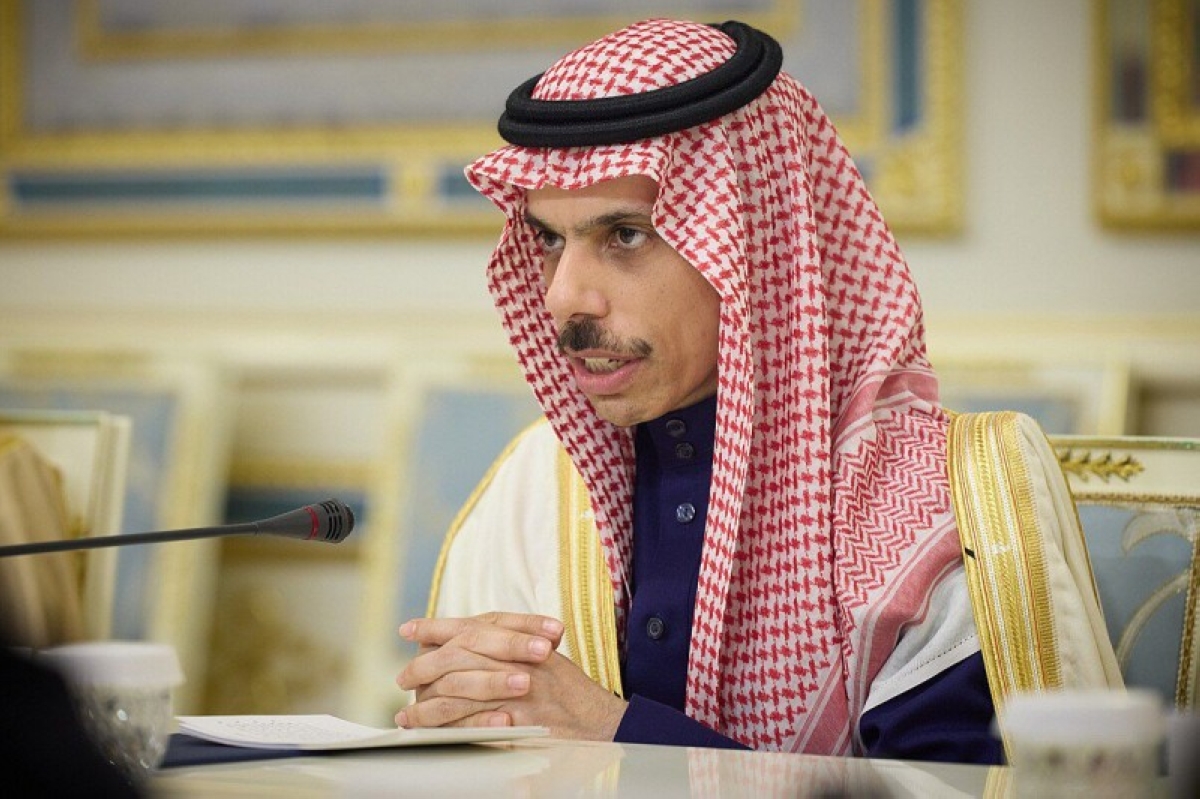
في كل محطة من عواصم العالم، من نيويورك إلى بروكسل، ومن القاهرة إلى بكين، حمل وزير الخارجية السعودي الأمير فيصل بن فرحان رسالة لا لبس فيها: السلام لا يُبنى بالدم، ولا يُحفظ بالاحتلال، كانت تحركاته تجسيدًا لدبلوماسية تمارس الفعل لا القول، وتحوّل المبادئ إلى مسارات سياسية واضحة تؤكد أن المملكة لا تتعامل مع فلسطين كقضية موسمية، بل كقضية تأسيسية في وجدانها السياسي والإنساني.
صوت المملكة حاضرًا
لقد ربطت السعودية مصالحها الاقتصادية ومشاريعها التنموية الكبرى بمسؤولية أخلاقية أعمق، تربط الاستقرار بالعدالة، والتنمية بالكرامة الإنسانية. لذلك، حين وقّعت الدول على وثيقة شرم الشيخ، كان صوت المملكة حاضرًا في خلفية كل بند، لأنها أعادت للسلام لغته المنصفة، وللدبلوماسية معناها الأخلاقي.
من يقرأ الوثيقة اليوم يدرك أن الشرق الأوسط الجديد يُعاد رسمه من الرياض، حيث تتقاطع المشاريع الكبرى مع المواقف الثابتة، وتتلاقى القوة مع الاعتدال، لتؤكد أن القيادة السعودية لا تكتفي بالمشاهدة، بل تصنع المشهد نفسه.
The world had to pause and reflect on the text of the Sharm El-Sheikh document, not merely as a passing diplomatic statement, but as a declaration of a new will in engineering Middle Eastern peace, a will that has formed in a time when interests intersect and files become complicated. Yet, its three lines were enough to outline a phase titled: sustainable peace, a comprehensive vision, and shared regional prosperity.
A Long-Term Saudi Political Effort
However, behind this brief text, there was a long-term Saudi political effort, led by the Ministry of Foreign Affairs with a balanced vision and a proactive rhythm that commanded respect from major capitals. While global speeches were preoccupied with describing the Palestinian-Israeli conflict, Riyadh was quietly weaving a network of delicate balances, maintaining its position as a rational regional power, while at the same time aligning itself with the Arab conscience in support of Gaza and Palestine.
At every stop in the capitals of the world, from New York to Brussels, and from Cairo to Beijing, Saudi Foreign Minister Prince Faisal bin Farhan carried an unmistakable message: peace is not built on blood, nor is it preserved by occupation. His movements embodied a diplomacy that practices action, not mere words, transforming principles into clear political paths that affirm that the Kingdom does not treat Palestine as a seasonal issue, but as a foundational matter in its political and humanitarian conscience.
The Kingdom's Voice is Present
Saudi Arabia has linked its economic interests and major developmental projects to a deeper moral responsibility, connecting stability with justice, and development with human dignity. Therefore, when countries signed the Sharm El-Sheikh document, the Kingdom's voice was present in the background of every clause, as it restored to peace its fair language and to diplomacy its moral meaning.
Anyone reading the document today realizes that the new Middle East is being redrawn from Riyadh, where major projects intersect with steadfast positions, and where power meets moderation, affirming that Saudi leadership does not merely watch but creates the scene itself.