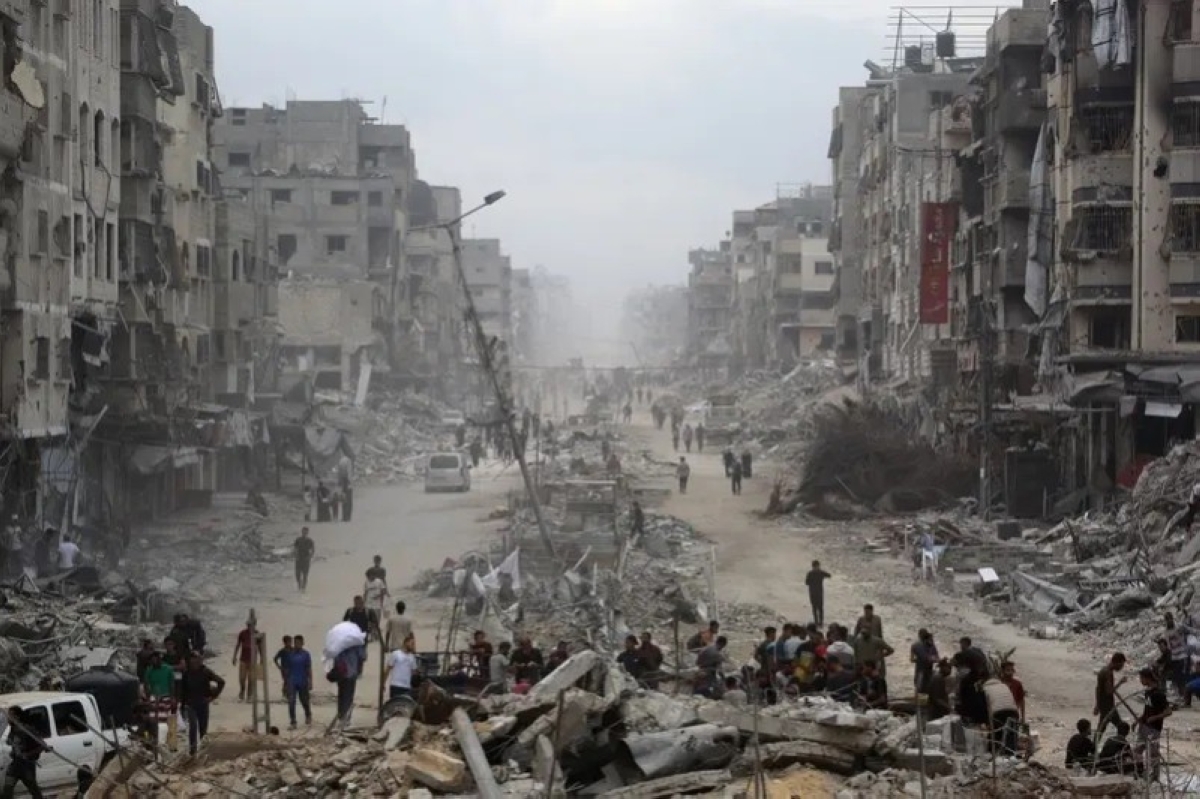
رغم التفاؤل الذي يسود الأوساط الأمريكية بانتهاء الحرب، فإن الوثيقة التي نشرها البيت الأبيض، أمس (الإثنين)، عقب انتهاء قمة شرم الشيخ، ووقع عليها رؤساء أمريكا ومصر وتركيا وقطر، لا تتضمن أي تعهدات أو ضمانات أمنية بعدم تجدد الحرب والإبادة بعد تسليم الرهائن، ولا إشارة للانسحاب الإسرائيلي الكامل أو حتى الجزئي وجدوله الزمني من قطاع غزة، أو كيفية نزع سلاح حماس ومصير مقاتليها.
ولم تتحدث الوثيقة عن من سيحكم غزة خلال الفترة الانتقالية وكم هي مدة هذا الحكم؟ ولاحق تقرير مصير الفلسطينيين، أو الدولة الفلسطينية المستقلة، ولم يقدم البيان الرئاسي أي تفسير للاتفاقية التي وافقت على بنودها العامة منذ أيام حماس وإسرائيل.
نقاط غير واضحة
ويعتقد مراقبون سياسيون، أن هناك عدة نقاط لا تزال عالقة أو غير واضحة في الخطة المقدمة، وسط مخاوف من انهيارها في أية لحظة، ومنها: نزع سلاح حماس، الانسحاب الإسرائيلي، الهيئة الدولية التي ستشرف على إدارة غزة، والترتيبات الأمنية.
ورفضت حماس في وقت سابق تسليم السلاح، واعتبرت أن تلك المسألة تبحث داخلياً، في حوار فلسطيني فلسطيني، وطالبت بضمانات أمريكية لانسحاب إسرائيل بشكل كامل من غزة.
في حين كررت إسرائيل أكثر من مرة أنها لن تقبل باحتفاظ حماس بسلاحها، وألمح رئيس وزراء الاحتلال إلى عدم الانسحاب الكامل من القطاع، رغم إعلانه الالتزام بخطة ترمب.
يذكر أن قوات الجيش الإسرائيلي انسحبت من معظم مدينة غزة، ومدينة خان يونس جنوبًا، ومناطق أخرى، إلا أنها لا تزال متواجدة في معظم مدينة رفح جنوبًا، وفي بلدات أقصى شمال غزة، وعلى طول الحدود بين القطاع وإسرائيل.
مستقل القطاع المنكوب
ولا يزال مستقبل حكم غزة غير واضح، إذ إن الخطة الأمريكية، تتحدث عن تولي هيئة دولية إدارة القطاع، مع إشرافها على تكنوقراط فلسطينيين يديرون الشؤون اليومية، في حين رأت حماس أن حكومة غزة يجب أن تُحدد من قبل الفلسطينيين أنفسهم.
وتحدثت الخطة عن دور مستقبلي محتمل للسلطة الفلسطينية بعد مرورها في إصلاحات جذرية، وهو أمر طالما عارضه رئيس الوزراء الإسرائيلي بنيامين نتنياهو.
وألمحت الخطة إلى إمكانية قيام دولة فلسطينية مستقبلية، وهو أمر رفضه بشدة نتنياهو.
تجنب التفاصيل
وفي هذا السياق، اعتبر دبلوماسيون غربيون أن قوة خطة ترمب تكمن في غموضها، إذ تجنّبت التفاصيل الدقيقة التي قد تُفشل المفاوضات، لكنها في الوقت نفسه تركت «الكثير ليُحسم لاحقًا».
وحذر هؤلاء من أن أي تباطؤ في تنفيذ بنود الاتفاق قد يدفع الأطراف المتشددة في إسرائيل إلى الضغط لاستئناف العمليات العسكرية، ما يُهدد بإجهاض الاتفاق في مهده.
وقال الخبير الأمريكي في شؤون الشرق الأوسط جون ألترمان: إن ترمب بات قادرا على توجيه نتنياهو، لأنه أكثر شعبية منه في إسرائيل، ويمكنه أن يدعم مستقبله السياسي، أو ينسفه تمامًا، وفق قوله.
إلا أن آخرين حذروا من أن أي تغيير في التحالفات داخل الكنيست قد يعقّد مستقبل الاتفاق، خصوصًا إذا تزايدت ضغوط اليمين الإسرائيلي أو تراجعت الحماسة العربية لدعمه في حال فشلت المفاوضات بشأن إقامة دولة فلسطينية مستقبلية، وهي النقطة الأكثر حساسية في الوثيقة.
Despite the optimism prevailing in American circles regarding the end of the war, the document published by the White House yesterday (Monday) following the conclusion of the Sharm El-Sheikh summit, signed by the presidents of the United States, Egypt, Turkey, and Qatar, does not include any commitments or security guarantees against the renewal of war and genocide after the release of hostages, nor does it mention a complete or even partial Israeli withdrawal and its timeline from the Gaza Strip, or how to disarm Hamas and the fate of its fighters.
The document did not address who will govern Gaza during the transitional period and how long this governance will last. It also did not touch upon the right to self-determination for Palestinians or an independent Palestinian state, and the presidential statement did not provide any explanation for the agreement that had been approved in general terms days before by Hamas and Israel.
Unclear Points
Political observers believe that there are several points that remain stuck or unclear in the proposed plan, amid fears of its collapse at any moment, including: disarming Hamas, the Israeli withdrawal, the international body that will oversee the administration of Gaza, and the security arrangements.
Hamas previously rejected the surrender of weapons, considering that this issue should be discussed internally in a Palestinian-Palestinian dialogue, and demanded American guarantees for Israel's complete withdrawal from Gaza.
Meanwhile, Israel has repeatedly stated that it will not accept Hamas retaining its weapons, and the Prime Minister of the occupation hinted at not fully withdrawing from the sector, despite his announcement of commitment to the Trump plan.
It is worth noting that the Israeli army has withdrawn from most of the city of Gaza, and the city of Khan Younis to the south, and other areas, yet it remains present in most of the city of Rafah to the south, and in towns in the far north of Gaza, along the border between the sector and Israel.
Independent Governance of the Stricken Sector
The future of governance in Gaza remains unclear, as the American plan talks about an international body taking over the administration of the sector, while overseeing Palestinian technocrats managing daily affairs, whereas Hamas believes that the government of Gaza should be determined by the Palestinians themselves.
The plan discussed a potential future role for the Palestinian Authority after undergoing radical reforms, which has long been opposed by Israeli Prime Minister Benjamin Netanyahu.
The plan hinted at the possibility of a future Palestinian state, which Netanyahu strongly rejected.
Avoiding Details
In this context, Western diplomats considered that the strength of the Trump plan lies in its ambiguity, as it avoided the precise details that could derail negotiations, but at the same time left "a lot to be resolved later."
They warned that any delay in implementing the terms of the agreement could push hardline factions in Israel to pressure for the resumption of military operations, threatening to abort the agreement in its infancy.
American Middle East expert John Alterman stated that Trump is now capable of directing Netanyahu, as he is more popular than him in Israel, and can either support his political future or completely undermine it, according to him.
However, others warned that any change in alliances within the Knesset could complicate the future of the agreement, especially if pressures from the Israeli right increase or if Arab enthusiasm for supporting it declines in the event that negotiations for establishing a future Palestinian state fail, which is the most sensitive point in the document.