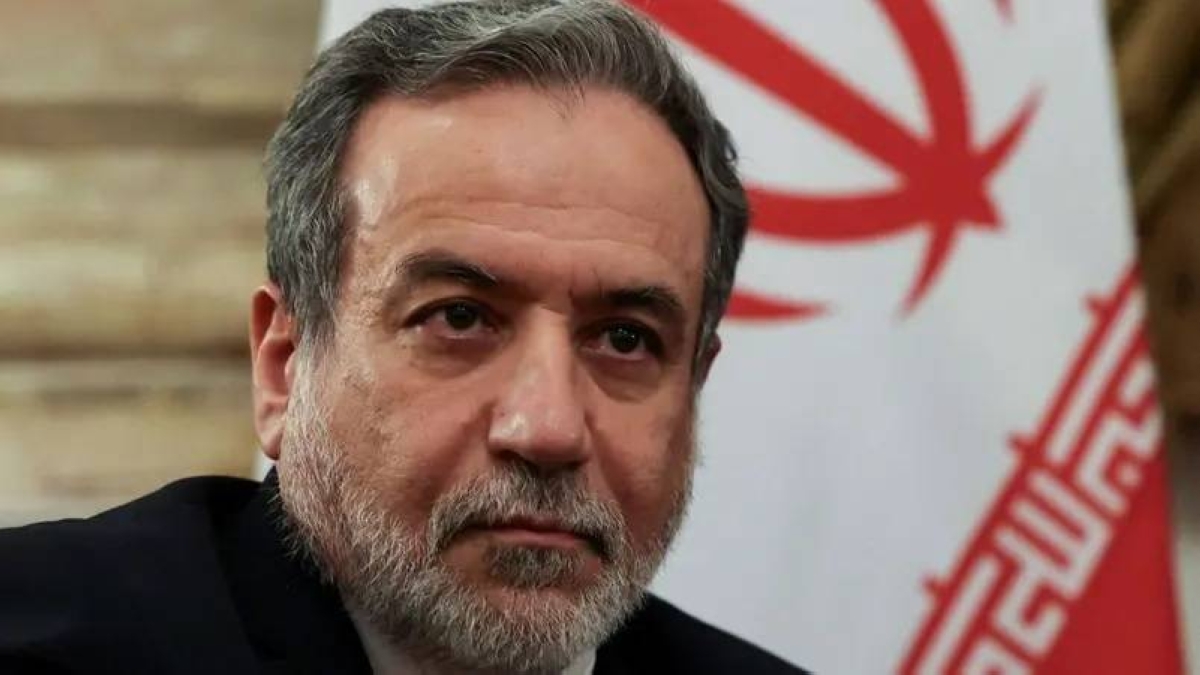
كشف وزير الخارجية الإيراني عباس عراقجي، أن الكرملين أبلغ بلاده أن رئيس وزراء الاحتلال الإسرائيلي بنيامين نتنياهو لا يريد الدخول في حرب جديدة ضد إيران.
وقال عراقجي إن نتنياهو أبلغ الرئيس الروسي فلاديمير بوتين عبر اتصال هاتفي، أنه «لا يخطط لشنّ هجوم جديد على إيران»، إلا أنه أكد أن «هذه الرسالة لا تُغيّر تقييمنا الميداني أو جاهزية قواتنا، فهي في أعلى مستويات الاستعداد»، مضيفاً «تزداد جاهزيتها يوماً بعد يوم».
وأضاف : «أؤكد خبر الروس بأن نتنياهو أخبر بوتين بأنه لا توجد نية للدخول في صراع مع إيران»، بحسبما نقلت وكالة أنباء «مهر» الإيرانية. وأوضح الوزير الإيراني، أنه خلال الاتصال الهاتفي بين نتنياهو وبوتين، قال رئيس الوزراء الإسرائيلي: «لا نعتزم خوض صراع جديد مع إيران»، وأضاف عراقجي، أن روسيا استدعت السفير الإيراني، ونقلت رسالة نتنياهو إلى طهران بعد هذا الاتصال. واعتبر عراقجي أن بلاده لا تأمن «الخداع من قبل الإسرائيليين»، مضيفاً: «ربما الإعلان العلني عن هذا الأمر من قبل الرئيس بوتين يعود للسبب نفسه».
وقال عراقجي إن طهران ترحب باقتراح نووي أمريكي محتمل «عادل ومتوازن»، لكنها لم تتلق أي مقترح للتفاوض. وأضاف في تصريحات نقلها التلفزيون الرسمي، اليوم (الأحد): «إذا تلقينا مقترحاً معقولاً ومتوازناً وعادلاً من الأمريكيين للتفاوض بشأنه فسندرسه بالتأكيد».
لن نتخلّى عن التخصيب
وشدّد على أن طهران لن تتخلى عن حقها في تخصيب اليورانيوم، إلا أنه قال إنها تستطيع اتخاذ إجراءات لبناء الثقة بشأن الطبيعة السلمية لبرنامجها النووي. واعتبر أن هذا الأمر مشروط باتخاذ الجانب الآخر خطوات لبناء الثقة بما يشمل رفع جزء من العقوبات. كاشفاً إلى أن طهران وواشنطن تتبادلان الرسائل عبر وسطاء.
ولفت وزير الخارجية إلى أن إيران لا ترى أي سبب لاستئناف المفاوضات مع الدول الأوروبية حول برنامجها النووي، وتساءل: «ماذا يمكن أن يفعلوا وأي نتيجة إيجابية يمكن أن تؤدي إليها هذه المفاوضات؟ لا نرى فعلاً أي سبب للتفاوض معهم».
عازمون على إحياء المفاوضات
وكانت فرنسا وألمانيا وبريطانيا، أعلنت، الجمعة، عزمها على إحياء المفاوضات مع إيران حول برنامجها النووي. وقالت الدول الثلاث في بيان مشترك: «نحن عازمون على إحياء المفاوضات مع إيران والولايات المتحدة بهدف التوصل إلى اتفاق شامل ودائم ويمكن التحقق منه، يضمن عدم امتلاك إيران أبداً للسلاح النووي».
وأضافت: «نرى أن تفعيل آلية إعادة العقوبات كان أمراً مبرراً»، معتبرة أن «البرنامج النووي الإيراني يشكل تهديداً خطيراً للسلام والأمن العالميين».
إعادة فرض العقوبات
وكانت الأمم المتحدة أعادت فرض عقوباتها على إيران في 28 سبتمبر، بعد 10 أعوام من رفعها إثر إخفاق المفاوضات مع الدول الغربية. وهي تبدأ بحظر على الأسلحة وصولاً إلى إجراءات اقتصادية.
وسبق أن أعلنت فرنسا وبريطانيا وألمانيا أنها ستواصل السعي إلى «حل دبلوماسي» للأزمة، لكن طهران أكدت بداية الأسبوع أنها ليست في وارد استئناف المباحثات «في الوقت الراهن».
يذكر أن الدول الغربية وإسرائيل تشتبه في سعي إيران إلى حيازة سلاح نووي، الأمر الذي تنفيه طهران، مؤكدة حقها في الطاقة النووية لأغراض سلمية.
اتفاق العام 2015
وتوصلت فرنسا وبريطانيا وألمانيا والولايات المتحدة وروسيا والصين عام 2015 بعد مفاوضات استمرت أعواماً، إلى اتفاق مع طهران ينص على تأطير أنشطتها النووية مقابل رفع العقوبات عنها.
وفي 2018، قررت الولايات المتحدة خلال ولاية دونالد ترمب الأولى، الانسحاب من الاتفاق وأعادت فرض عقوباتها الخاصة على طهران.
ورداً على ذلك، تخلت إيران تدريجياً عن تنفيذ بعض التزاماتها الواردة في الاتفاق، وفي مقدمها تخصيب اليورانيوم، مما دفع الترويكا الأوروبية إلى تفعيل آلية إعادة فرض العقوبات.
Iranian Foreign Minister Abbas Araghchi revealed that the Kremlin informed his country that Israeli Prime Minister Benjamin Netanyahu does not want to enter into a new war against Iran.
Araghchi stated that Netanyahu informed Russian President Vladimir Putin via a phone call that he "does not plan to launch a new attack on Iran," but he emphasized that "this message does not change our field assessment or the readiness of our forces; they are at the highest levels of preparedness," adding, "Their readiness increases day by day."
He added: "I confirm the Russians' report that Netanyahu told Putin that there is no intention to enter into a conflict with Iran," according to the Iranian news agency "Mehr." The Iranian minister explained that during the phone call between Netanyahu and Putin, the Israeli Prime Minister said: "We do not intend to engage in a new conflict with Iran." Araghchi noted that Russia summoned the Iranian ambassador and conveyed Netanyahu's message to Tehran after this call. Araghchi considered that his country does not trust "deception from the Israelis," adding: "Perhaps the public announcement of this matter by President Putin is for the same reason."
Araghchi stated that Tehran welcomes a potential "fair and balanced" American nuclear proposal, but it has not received any proposal for negotiations. He added in statements broadcast by state television today (Sunday): "If we receive a reasonable, balanced, and fair proposal from the Americans for negotiations, we will certainly consider it."
We will not give up enrichment
He stressed that Tehran will not give up its right to enrich uranium, but he said that it can take measures to build confidence regarding the peaceful nature of its nuclear program. He considered that this matter is conditional on the other side taking steps to build trust, including lifting part of the sanctions, revealing that Tehran and Washington exchange messages through intermediaries.
The Foreign Minister pointed out that Iran sees no reason to resume negotiations with European countries regarding its nuclear program, questioning: "What can they do and what positive result can these negotiations lead to? We do not see any reason to negotiate with them."
Determined to revive negotiations
France, Germany, and Britain announced on Friday their intention to revive negotiations with Iran regarding its nuclear program. The three countries stated in a joint statement: "We are determined to revive negotiations with Iran and the United States with the aim of reaching a comprehensive, lasting, and verifiable agreement that ensures Iran never possesses nuclear weapons."
They added: "We see that activating the sanctions re-imposition mechanism was justified," considering that "the Iranian nuclear program poses a serious threat to global peace and security."
Re-imposition of sanctions
The United Nations re-imposed its sanctions on Iran on September 28, after 10 years of lifting them following the failure of negotiations with Western countries. These sanctions begin with an arms embargo and extend to economic measures.
France, Britain, and Germany had previously announced that they would continue to seek a "diplomatic solution" to the crisis, but Tehran confirmed at the beginning of the week that it is not inclined to resume negotiations "at the present time."
It is worth noting that Western countries and Israel suspect Iran of seeking to acquire nuclear weapons, which Tehran denies, asserting its right to nuclear energy for peaceful purposes.
2015 Agreement
In 2015, France, Britain, Germany, the United States, Russia, and China reached an agreement with Tehran after years of negotiations, which stipulated framing its nuclear activities in exchange for lifting sanctions against it.
In 2018, the United States, during Donald Trump's first term, decided to withdraw from the agreement and re-imposed its own sanctions on Tehran.
In response, Iran gradually abandoned some of its commitments under the agreement, foremost of which was uranium enrichment, prompting the European troika to activate the sanctions re-imposition mechanism.