


بعد الإعلان عن نتائج انتخاب أول برلمان في سورية بعد الإطاحة بحكم بشار الأسد، قال المتحدث باسم اللجنة العليا لانتخابات مجلس الشعب نوار نجمة، إن العملية لم تكن تعييناً، ولا انتخابات مباشرة، لافتا إلى أنها مرت بتحديات كبيرة.
وقال نجمة في منشور عبر منصة «إكس»، اليوم(السبت): «إن التحدي الأول كان وضع النظام الانتخابي المؤقت بشكل مقنع بعيدا عن الشخصنة وقريبا من هموم الناس وآرائهم بعد الاقتناع بعدم القدرة لا من قريب ولا من بعيد على إجراء انتخابات مباشرة تقليدية لظروف لوجيستية وأخرى ديموغرافية وسياسية».
وأضاف أن التحدي الثاني كان في إرضاء الناس وسط ثقافة شعبية تغير الولاءات، وفق تعبيره.
وأكد متحدث اللجنة أن إصلاح الأخطاء أفضل من التعنت في المضي بها، كما أن احترام مبادئ أساسية في قانون النظام الانتخابي المؤقت قد يكون أهم من إعلانات عن أسماء رسمية أو غير رسمية، بحسب قوله.
ولفت إلى أن النجاح الباهر الذي شهدته صناديق الاقتراع كان كفيلاً بكشف أمراض المجتمع السوري ونقاط ضعفه، والعمل على تصحيحها، معتبرا أن سورية ما زالت بعيدة إلى حد كبير عن مشاركة المرأة لحين تغيير العقليات.
واعتبر نجمة أن الثورة حضرت في مجلس الشعب بشخصيات لا غبار على ثوريتها مع بعض الاستثناءات، وشخصيات لا غبار على كفاءتها، مشدداً على ضرورة وجود ثقافة برلمانية سريعة وأفكار جديدة وقدرة ورغبة حقيقية بتحويل البرلمان لمكان حقيقي للمشاركة والتنوع كي لا تضيق الحلقة ويتحول البرلمان لأقلية سياسية بعيدة عن هموم الناس واحتياجاتهم الأساسية التي لم تعد قادرة على الانتظار وتعرقل قطار التنمية.
وشدد على ضرورة اندماج حقيقي للمجتمع والانتقال من شعار «الشعب يريد إسقاط النظام» إلى شعار «الشعب يريد بناء الوطن».
وكان نحو 6000 شخص شاركوا في عملية اختيار النواب، بعدما نافس أكثر من 1500 مرشح، بينهم نحو 14% فقط من النساء على عضوية المجلس، الذي ستكون ولايته قابلة للتجديد لمدة 30 شهراً.
ومن المقرر أن يتم تشكيل البرلمان القادم بآلية حدّدها الإعلان الدستوري وليس بانتخابات مباشرة من الشعب، إذ انتخبت بموجب هذه الآلية هيئات مناطقية شكلتها لجنة عليا، ثلثي أعضاء المجلس البالغ عددهم 210، على أن يعيّن الرئيس السوري أحمد الشرع الثلث الباقي.
وتأجل اختيار أعضاء المجلس في محافظات السويداء والرقة (شمالاً)، والحسكة (شمال شرق) بسبب التحديات الأمنية، وفق ما أعلنت لجنة الانتخابات.
متحدث لجنة الانتخابات: العملية الانتخابية واجهت تحديات كبيرة
11 أكتوبر 2025 - 15:43
|
آخر تحديث 11 أكتوبر 2025 - 15:43
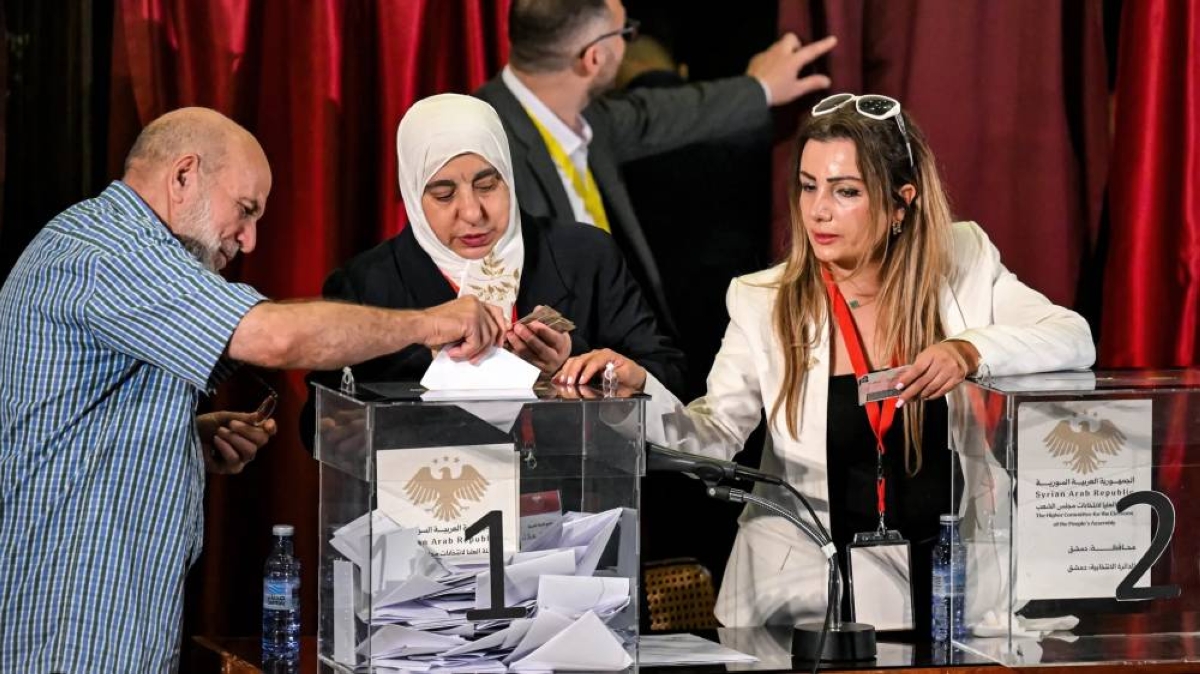
انتخابات مجلس الشعب السوري


تابع قناة عكاظ على الواتساب
«عكاظ» (دمشق) okaz_online@
After the announcement of the results of the first parliament elections in Syria following the overthrow of Bashar al-Assad's regime, the spokesperson for the Supreme Committee for the People's Assembly Elections, Nawar Najma, stated that the process was neither an appointment nor direct elections, noting that it faced significant challenges.
Najma said in a post on the "X" platform today (Saturday): "The first challenge was to establish a temporary electoral system convincingly, away from personalization and close to the concerns and opinions of the people, after realizing the inability, neither closely nor remotely, to conduct traditional direct elections due to logistical, demographic, and political circumstances."
He added that the second challenge was to satisfy the people amid a popular culture that shifts loyalties, as he expressed.
The committee spokesperson emphasized that correcting mistakes is better than stubbornly persisting in them, and that respecting fundamental principles in the temporary electoral law may be more important than announcements about official or unofficial names, according to his statement.
He pointed out that the remarkable success witnessed at the ballot boxes was sufficient to reveal the ailments of Syrian society and its weaknesses, and to work on correcting them, considering that Syria is still far from women's participation until mentalities change.
Najma considered that the revolution was present in the People's Assembly through figures that are undoubtedly revolutionary, with some exceptions, and figures that are undoubtedly competent, stressing the necessity of having a rapid parliamentary culture, new ideas, and a genuine ability and desire to transform the parliament into a real place for participation and diversity, so that the circle does not narrow and the parliament does not turn into a political minority far from the concerns and basic needs of the people, which can no longer wait and hinder the train of development.
He emphasized the need for genuine integration of society and the transition from the slogan "The people want to overthrow the regime" to the slogan "The people want to build the homeland."
About 6,000 people participated in the process of selecting the deputies, after more than 1,500 candidates competed, of whom only about 14% were women for membership in the council, which will have a renewable term of 30 months.
The next parliament is set to be formed through a mechanism specified by the constitutional declaration, rather than through direct elections by the people, as regional bodies formed by a Supreme Committee elected two-thirds of the council's members, which number 210, while the remaining third will be appointed by Syrian President Ahmad al-Shara.
The selection of council members in the provinces of Sweida, Raqqa (in the north), and Hasakah (in the northeast) was postponed due to security challenges, according to the election committee's announcement.
Najma said in a post on the "X" platform today (Saturday): "The first challenge was to establish a temporary electoral system convincingly, away from personalization and close to the concerns and opinions of the people, after realizing the inability, neither closely nor remotely, to conduct traditional direct elections due to logistical, demographic, and political circumstances."
He added that the second challenge was to satisfy the people amid a popular culture that shifts loyalties, as he expressed.
The committee spokesperson emphasized that correcting mistakes is better than stubbornly persisting in them, and that respecting fundamental principles in the temporary electoral law may be more important than announcements about official or unofficial names, according to his statement.
He pointed out that the remarkable success witnessed at the ballot boxes was sufficient to reveal the ailments of Syrian society and its weaknesses, and to work on correcting them, considering that Syria is still far from women's participation until mentalities change.
Najma considered that the revolution was present in the People's Assembly through figures that are undoubtedly revolutionary, with some exceptions, and figures that are undoubtedly competent, stressing the necessity of having a rapid parliamentary culture, new ideas, and a genuine ability and desire to transform the parliament into a real place for participation and diversity, so that the circle does not narrow and the parliament does not turn into a political minority far from the concerns and basic needs of the people, which can no longer wait and hinder the train of development.
He emphasized the need for genuine integration of society and the transition from the slogan "The people want to overthrow the regime" to the slogan "The people want to build the homeland."
About 6,000 people participated in the process of selecting the deputies, after more than 1,500 candidates competed, of whom only about 14% were women for membership in the council, which will have a renewable term of 30 months.
The next parliament is set to be formed through a mechanism specified by the constitutional declaration, rather than through direct elections by the people, as regional bodies formed by a Supreme Committee elected two-thirds of the council's members, which number 210, while the remaining third will be appointed by Syrian President Ahmad al-Shara.
The selection of council members in the provinces of Sweida, Raqqa (in the north), and Hasakah (in the northeast) was postponed due to security challenges, according to the election committee's announcement.


