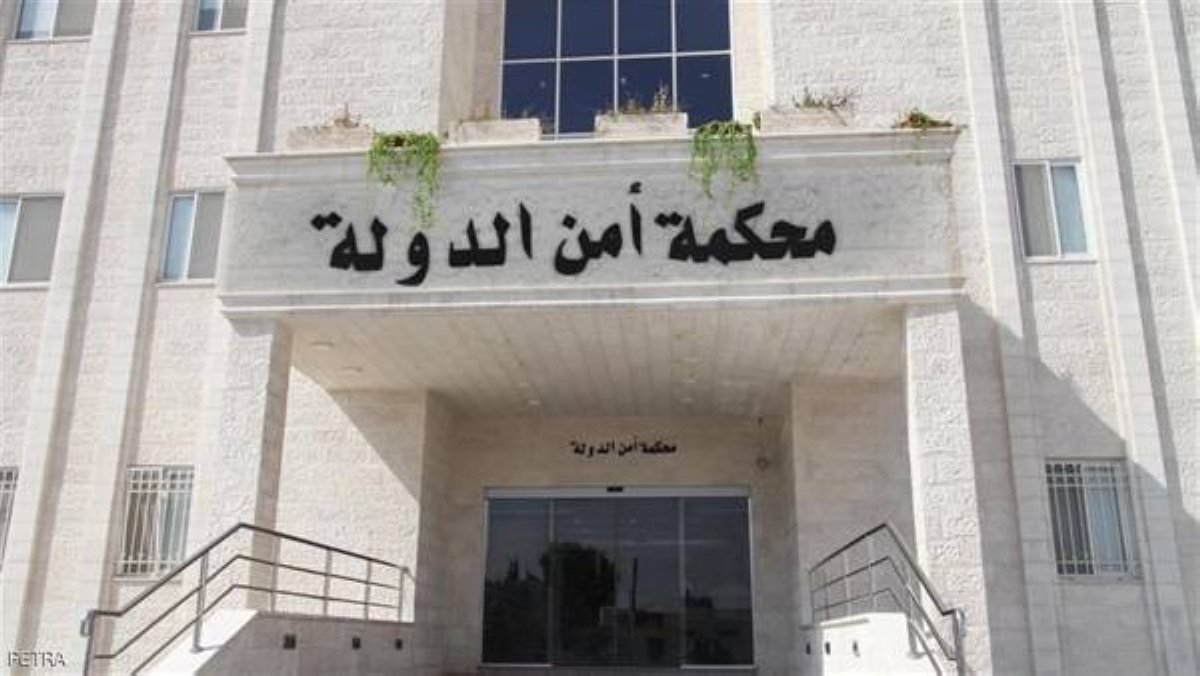
عاقبت محكمة أمن الدولة في الأردن المتهمين في القضايا التي استهدفت الأمن الوطني وإثارة الفوضى في البلاد، وجرى الكشف عنها منتصف أبريل الماضي، وتورط فيها مجموعة من أعضاء «جماعة الإخوان»، بحسب اعترافات صدرت عنهم.
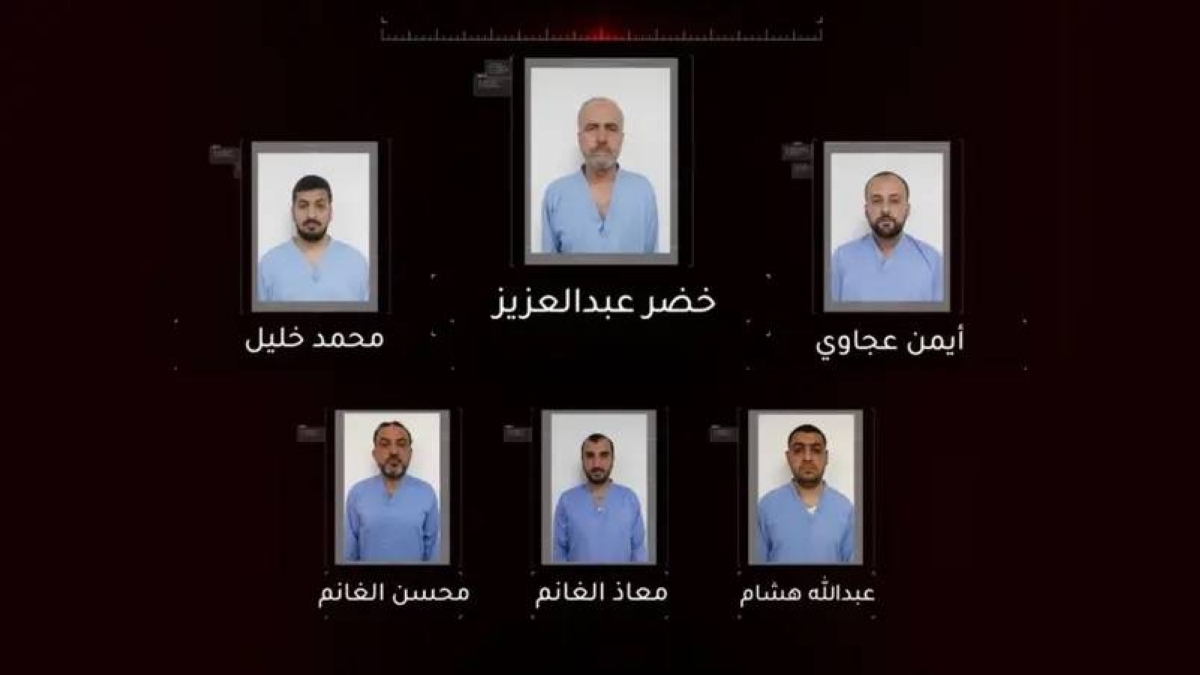
وقررت المحكمة، اليوم (الأربعاء)، تطبيق العقوبة الأشد بين التهم في قضية تصنيع الصواريخ، إذ حكمت على المتهمين عبدالله هشام ومعاذ غانم بالأشغال المؤقتة لمدة 15 سنة وتضمينهم الرسوم، فيما قضت على المتهم الثالث في القضية محسن غانم بالأشغال المؤقتة لمدة سبع سنوات ونصف مع تضمينه الرسوم.
وأسندت المحكمة للمتهمين عبدالله ومعاذ تهمة تصنيع أسلحة بقصد استخدامها على وجه غير مشروع بالاشتراك. ووجهت المحكمة للمتهم محسن تهمة التدخل بتصنيع أسلحة بقصد استخدامها على وجه غير مشروع بالاشتراك. ووجهت للمتهمين الثلاثة تهمة القيام بأعمال من شأنها الإخلال بالنظام العام وتعريض سلامة المجتمع وأمنه للخطر.
وفي قضية التجنيد، حكمت المحكمة على المتهمين مروان الحوامدة وأنس أبو عواد بالأشغال المؤقتة لمدة ثلاث سنوات وأربعة أشهر مع الرسوم، عن تهمة القيام بأعمال من شأنها الإخلال بالنظام العام وتعريض سلامة المجتمع وأمنه للخطر خلافاً لأحكام قانون منع الإرهاب.
وقررت المحكمة في قضية التدريب على أعمال غير مشروعة، الحكم على كل من المتهمين خضر عبدالعزيز وأيمن عجاوي ومحمد صالح وفاروق السلمان بالأشغال المؤقتة لمدة 3 سنوات وأربعة أشهر، عن تهمة القيام بأعمال من شأنها الإخلال بالنظام العام وتعريض سلامة المجتمع وأمنه للخطر خلافاً لأحكام قانون منع الإرهاب.
فيما قررت المحكمة في قضية الطائرات المسيّرة «الدرونز»، عدم مسؤولية المتهمين عن التهم التي أسندت لهم من قبل النيابة العامة لمحكمة أمن الدولة، بعد أن وجدت المحكمة عدم تحقق القصد الخاص الذي يتطلبه النص القانوني لقيام الجريمة، وعليه قررت المحكمة الإفراج عن المتهمين علي أحمد قاسم وعبدالعزيز هارون وعبدالله الهدار وأحمد خليفة.
يذكر أن قرارات محكمة أمن الدولة خاضعة للطعن أمام محكمة التمييز.
وتتلخص التهم والوقائع في القضية الأولى (تصنيع الصواريخ) بأنها خلية مكونة من 3 عناصر، بدأت بعملية تصنيع الصواريخ داخل المملكة الأردنية وإنتاج هياكلها.
وأنشأت الخلية مستودعين لغايات التصنيع والتخزين في محافظة الزرقاء والعاصمة عمان، أحدهما كان محصّناً بالخرسانة لتخزين الصواريخ ويحتوي على غرف سرية مقفلة. وتلقت الخلية التدريبات والأموال من الخارج، إذ تمكنت من إنتاج النموذج الأول لصاروخ قصير المدى.
وفي القضية الثانية (التجنيد)، زار المتهمان بلداناً إقليمية وتعاونا مع أطراف خارجية بهدف تجنيد شباب داخل المملكة الأردنية.
وكانت آلية العمل والتواصل سرية وتلقيا التعليمات والدورات الأمنية من تلك الأطراف. وكان هنالك تحديد لنقاط ميتة داخل المملكة الأردنية لغايات زرع مواد بحوزتهم.
وفي القضية الثالثة (التدريب)، جرى تدريب شبان على أعمال غير مشروعة تضمنت دورات متقدمة ودروساً أمنية. وكانت تتم عملية التدريب وتلقي الدروس الأمنية في مناطق عدة داخل المملكة الأردنية، وكان الهدف من عمليات التدريب إعداد الشبان للقيام بعمليات يتم تكليفهم بها لاحقاً.
وفي القضية الرابعة (الدرونز)، قام 4 شبان بالتنسيق فيما بينهم والاجتماع أكثر من مرة لتصنيع طائرات مسيّرة «درونز»، وعمل الشبان على توزيع الأدوار فيما بينهم وزاروا بلدانا خارجية، وطرح أحد المتهمين فكرة صناعة طائرة «الجلايدرز» وجربها داخل إحدى المزارع.
The State Security Court in Jordan has sentenced the defendants in cases that targeted national security and incited chaos in the country, which were revealed in mid-April last year, involving a group of members of the "Muslim Brotherhood," according to confessions made by them.
Today (Wednesday), the court decided to apply the harshest penalty among the charges in the case of missile manufacturing, sentencing the defendants Abdullah Hisham and Muath Ghanem to temporary hard labor for 15 years and imposing fees on them, while the third defendant in the case, Mohsen Ghanem, was sentenced to temporary hard labor for seven and a half years with fees imposed.
The court charged defendants Abdullah and Muath with the manufacture of weapons for the purpose of unlawful use in partnership. The court charged defendant Mohsen with involvement in the manufacture of weapons for the purpose of unlawful use in partnership. All three defendants were charged with committing acts that would disrupt public order and endanger the safety and security of society.
In the recruitment case, the court sentenced defendants Marwan Al-Hawamdeh and Anas Abu Awad to temporary hard labor for three years and four months with fees for committing acts that would disrupt public order and endanger the safety and security of society, contrary to the provisions of the Anti-Terrorism Law.
In the case of training for unlawful acts, the court sentenced each of the defendants Khadr Abdulaziz, Ayman Ajawi, Mohammed Saleh, and Farouk Al-Salman to temporary hard labor for three years and four months for committing acts that would disrupt public order and endanger the safety and security of society, contrary to the provisions of the Anti-Terrorism Law.
In the case of the drones, the court found the defendants not guilty of the charges brought against them by the Public Prosecution of the State Security Court, after the court found that the specific intent required by the legal text for the crime was not established. Consequently, the court decided to release the defendants Ali Ahmed Qassem, Abdulaziz Haroun, Abdullah Al-Hadar, and Ahmed Khalifa.
It is worth noting that the decisions of the State Security Court are subject to appeal before the Court of Cassation.
The charges and facts in the first case (missile manufacturing) summarize that it involved a cell composed of three elements, which began the process of manufacturing missiles within the Hashemite Kingdom of Jordan and producing their structures.
The cell established two warehouses for manufacturing and storage purposes in the Zarqa Governorate and the capital Amman, one of which was fortified with concrete for storing missiles and contained locked secret rooms. The cell received training and funds from abroad, managing to produce the first model of a short-range missile.
In the second case (recruitment), the two defendants visited regional countries and cooperated with external parties to recruit youth within the Hashemite Kingdom of Jordan.
The mechanism of work and communication was secretive, and they received instructions and security courses from those parties. There was a specification of dead zones within the Hashemite Kingdom of Jordan for the purpose of planting materials in their possession.
In the third case (training), young men were trained in unlawful acts that included advanced courses and security lessons. The training and security lessons took place in several areas within the Hashemite Kingdom of Jordan, with the goal of preparing the youth to carry out operations they would be assigned later.
In the fourth case (drones), four young men coordinated with each other and met multiple times to manufacture "drones," distributing roles among themselves and visiting foreign countries. One of the defendants proposed the idea of making a "glider" and tested it inside one of the farms.