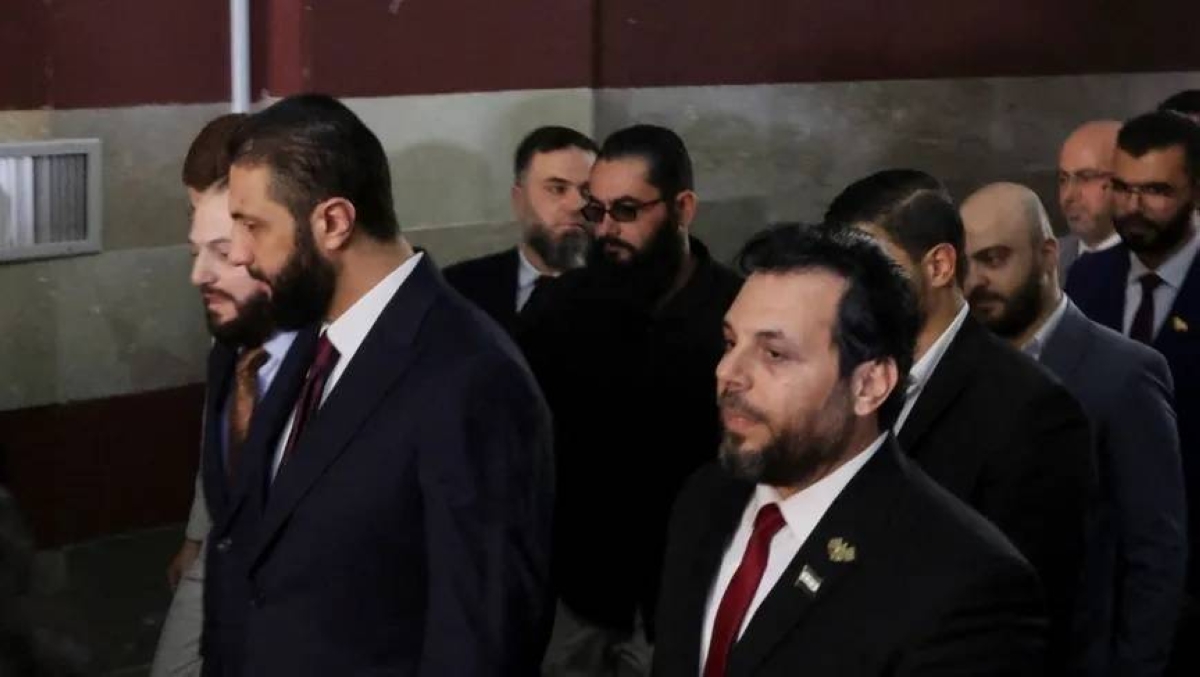
عبر الرئيس السوري أحمد الشرع عن فخر السوريين بالانتقال من مرحلة الحرب والفوضى إلى الانتخابات. ووصف هذه الانتخابات بأنها تمثل خطوة مهمة في مسار المرحلة الانتقالية التي تمر بها البلاد بعد سنوات من الصراع. وقال الشرع في كلمة مقتضبة خلال جولته على عدد من مراكز الاقتراع: «تمكنا خلال بضعة أشهر من الدخول في عملية انتخابية جديدة، والسوريون يفخرون بالانتقال من مرحلة الحرب والفوضى إلى مرحلة المؤسسات والانتخابات».
بناء سورية مسؤولية مشتركة
وجدد التأكيد على أن «مهمة بناء سورية مسؤولية مشتركة بين جميع أبنائها، لافتاً إلى أن الانتخابات الحالية تأتي في سياق عملية سياسية تهدف إلى ترسيخ الاستقرار وملء الفراغ الدستوري في البلاد.
وأفاد الشرع بأن القوانين السورية بحاجة إلى تعديلات لتواكب متطلبات المرحلة الجديدة، وأن هناك مجموعة من القوانين المعلقة التي يتعين التصويت عليها والمضي قدما في تنفيذها لضمان استمرار عملية بناء الدولة، وأكد أن البلاد تحتاج إلى «التصويت على عدة قوانين معلقة للمضي قدماً في عملية البناء وإعادة الإعمار».
نتائج أولية
من جانبها، أعلنت اللجنة العليا للانتخابات أن نتائج أولية بدأت في الظهور. وقال المتحدث باسم اللجنة نوار نجمة: «إن النتائج الأولية لفرز الأصوات في بعض الدوائر الانتخابية بعدد من المحافظات بدأت تظهر بعدما أدلى أعضاء الهيئات الناخبة بأصواتهم»، وفق ما نقلت وكالة «سانا». وأوضح أنه سيتم الإعلان عن الأسماء الفائزة لاحقاً بشكل رسمي خلال مؤتمر صحفي.
واصطف عشرات الناخبين أمام المكتبة الوطنية في دمشق، التي كانت تسمى سابقاً مكتبة الأسد، للإدلاء بأصواتهم. وفتحت صناديق الاقتراع عند الساعة التاسعة بالتوقيت المحلي، بينما يرتقب أن تعلن النتائج الأولية في وقت لاحق اليوم.
ولاية 30 شهرا
ومن المقرر أن يتمّ تشكيل البرلمان، وولايته ثلاثون شهراً قابلة للتجديد، بناء على آلية حدّدها الإعلان الدستوري، وليس بانتخابات مباشرة من الشعب. إذ ستنتخب، بموجب هذه الآلية، هيئات مناطقية شكّلتها لجنة عليا، ثلثي أعضاء المجلس البالغ عددهم 210، على أن يعيّن الرئيس الشرع الثلث الباقي.
وتنافس في الانتخابات 1578 مرشحاً، 14% منهم فقط نساء، وفق اللجنة العليا للانتخابات، للفوز بمقاعد المجلس.
وتم تأجل اختيار أعضاء المجلس في محافظات السويداء والرقة (شمال)، والحسكة (شمال شرق) بسبب «التحديات الأمنية»، وفق ما أعلنت سابقاً اللجنة العليا للانتخابات.
Syrian President Ahmad al-Shara expressed the pride of Syrians in transitioning from a phase of war and chaos to elections. He described these elections as an important step in the transitional phase the country is undergoing after years of conflict. Al-Shara stated in a brief speech during his tour of several polling stations: “We have managed, within a few months, to enter a new electoral process, and Syrians take pride in moving from a phase of war and chaos to a phase of institutions and elections.”
Building Syria is a Shared Responsibility
He reiterated that “the task of building Syria is a shared responsibility among all its people,” pointing out that the current elections come in the context of a political process aimed at consolidating stability and filling the constitutional vacuum in the country.
Al-Shara indicated that Syrian laws need amendments to keep pace with the requirements of the new phase, and that there are a number of pending laws that need to be voted on and implemented to ensure the continuation of the state-building process. He emphasized that the country needs “to vote on several pending laws to move forward in the process of building and reconstruction.”
Preliminary Results
For its part, the Supreme Election Committee announced that preliminary results have begun to emerge. Committee spokesperson Nawar Najma stated: “The preliminary results of the vote counting in some electoral districts in several governorates have started to appear after the members of the electoral bodies cast their votes,” according to the SANA news agency. He clarified that the names of the winning candidates will be officially announced later during a press conference.
Dozens of voters lined up in front of the National Library in Damascus, which was formerly known as Assad Library, to cast their votes. The ballot boxes opened at 9 AM local time, while preliminary results are expected to be announced later today.
30-Month Term
The parliament is set to be formed with a term of thirty months, renewable, based on a mechanism specified by the constitutional declaration, and not through direct elections by the people. Under this mechanism, regional bodies formed by a higher committee will elect two-thirds of the council's members, totaling 210, while President al-Shara will appoint the remaining third.
A total of 1,578 candidates competed in the elections, with only 14% of them being women, according to the Supreme Election Committee, to win seats in the council.
The selection of council members in the governorates of Sweida, Raqqa (north), and Hasakah (northeast) was postponed due to “security challenges,” as previously announced by the Supreme Election Committee.