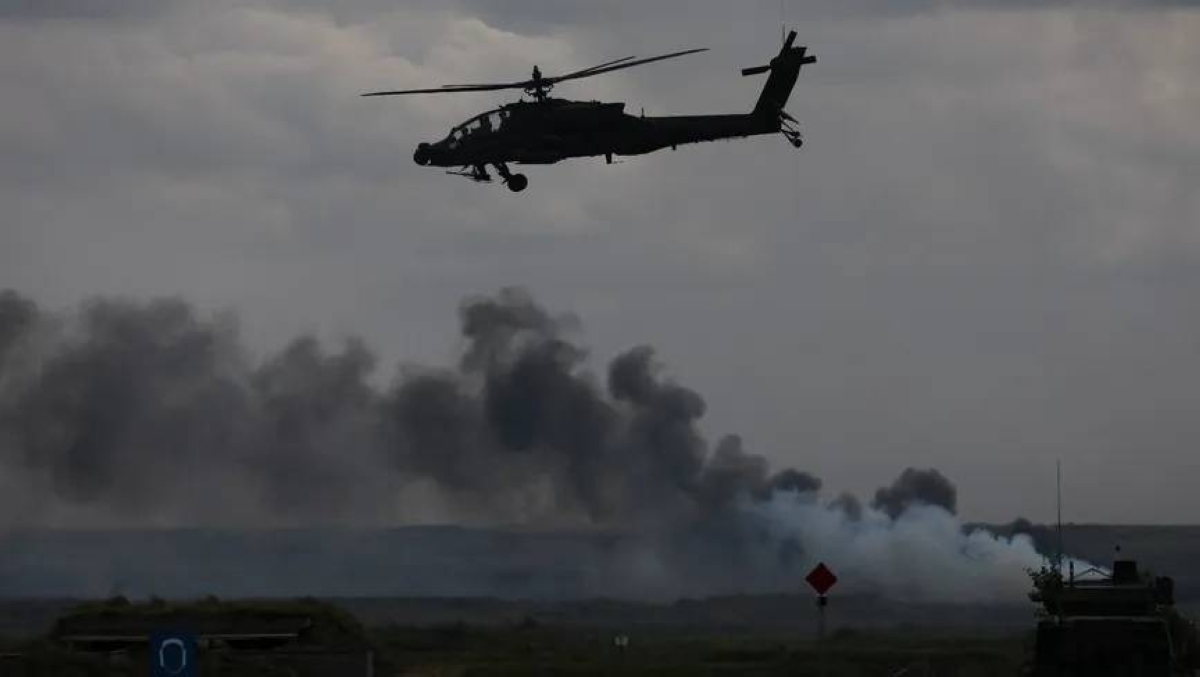
في مواجهة عمليات التوغل الروسي في المجال الجوي لحلف شمال الأطلسي «الناتو»، يبحث قادة الاتحاد الأوروبي في كوبنهاجن هذا الأسبوع، مجموعة من مشاريع الدفاع الرئيسية، بما في ذلك تصميم جدار أوروبي ضد الطائرات المسيرة، وإنشاء درع دفاع جوي.
واعتبرت وكالة «بلومبيرغ»، أن هذه الخطط اكتسبت أهمية بالغة في أعقاب موجة من عمليات التوغل في المجال الجوي لحلف شمال الأطلسي من قِبل طائرات روسية.
إستراتيجية سد الثغرات
وقدمت المفوضية الأوروبية، الذراع التنفيذية للاتحاد، مقترحاتها في ورقة نُشرت أمس (الإثنين)، كجزء من إستراتيجية تهدف إلى سد الثغرات في دفاع القارة بحلول عام 2030.
وتركز الورقة على المجالات التي حددتها المفوضية على أنها تتطلب إجراءات عاجلة، بما في ذلك الدفاع الجوي والصاروخي والطائرات المسيرة، إذ ستكون الورقة أساساً للنقاش عندما يجتمع القادة في العاصمة الدنماركية في وقت لاحق من هذا الأسبوع.
وحسب ورقة المفوضية فإنه «في ضوء العدوان العسكري المستمر على أوكرانيا، والزيادة الأخيرة في انتهاكات المجال الجوي للدول الأعضاء، فإن مشروعين رئيسيين هما: جدار الطائرات المسيرة الأوروبي، وحماية الجناح الشرقي، يتطلبان إلحاحاً خاصاً، ويجب المضي قدماً فيهما على وجه السرعة».
تشكيل التحالفات
ويتوقع أن يعتمد جدار الطائرات المسيرة على خبرة أوكرانيا، وأن يدمج الشركات الناشئة والأوساط الأكاديمية في مراكز بجميع أنحاء أوروبا، ومن المرجح أن يحمي مشروع «حماية الجناح الشرقي» القارة من تهديدات مثل الهجمات الهجينة، وسيشمل دفاعاً برياً، وقدرات مضادة للطائرات المسيرة، وعناصر بحرية وفضائية.
ويشجع الاتحاد الأوروبي الدول الأعضاء على تشكيل تحالفات لمعالجة مختلف الثغرات في دفاع القارة، وقد عرضت ألمانيا سابقاً تولي زمام المبادرة في مجال الدفاع الجوي.
تمويل جدار المسيرات
ومن المنتظر أن يتم تمويل هذا الجدار جزئياً من صندوق قروض SAFE التابع للاتحاد الأوروبي، والبالغ قيمته 150 مليار يورو (176 مليار دولار). ويجب تقديم المشاريع المحتملة بحلول نهاية نوفمبر القادم كموعد نهائي للتأهل لهذه التسهيلات.
ويجري الاتحاد مفاوضات مع بريطانيا وكندا لمنح الدول غير الأعضاء في الاتحاد الأوروبي إمكانية الوصول إلى الأموال، وقد يُنظر أيضاً في طلبات اليابان والهند لاحقاً.
وأدى رصد طائرات بدون طيار كبيرة واحترافية إلى إغلاق العديد من المطارات الدنماركية مؤقتاً الأسبوع الماضي، من بينها المطار الرئيسي للبلاد في كوبنهاجن. وأسقطت طائرات الناتو مسيرات روسية بعد انتهاكها المجال الجوي البولندي، هذا الشهر.
In response to Russian incursions into NATO airspace, European Union leaders in Copenhagen this week are discussing a range of key defense projects, including the design of a European wall against drones and the establishment of an air defense shield.
Bloomberg reported that these plans have gained significant importance following a wave of incursions into NATO airspace by Russian aircraft.
Gap-Filling Strategy
The European Commission, the executive arm of the Union, presented its proposals in a paper published yesterday (Monday) as part of a strategy aimed at filling gaps in the continent's defense by 2030.
The paper focuses on areas identified by the Commission as requiring urgent action, including air and missile defense and drones, and will serve as the basis for discussion when leaders meet in the Danish capital later this week.
According to the Commission's paper, "In light of the ongoing military aggression against Ukraine and the recent increase in airspace violations by member states, two major projects—the European drone wall and the protection of the eastern flank—require particular urgency and must be advanced swiftly."
Forming Alliances
The drone wall is expected to rely on Ukraine's expertise and integrate startups and academia in centers across Europe, and the "Eastern Flank Protection" project is likely to shield the continent from threats such as hybrid attacks, including ground defense, anti-drone capabilities, and naval and space elements.
The European Union encourages member states to form alliances to address various gaps in the continent's defense, and Germany has previously offered to take the lead in air defense.
Funding the Drone Wall
This wall is expected to be partially funded by the EU's SAFE loan fund, which amounts to 150 billion euros ($176 billion). Potential projects must be submitted by the end of November as a deadline to qualify for these facilities.
The Union is negotiating with Britain and Canada to grant non-EU countries access to the funds, and requests from Japan and India may also be considered later.
The sighting of large, professional drones led to the temporary closure of several Danish airports last week, including the country's main airport in Copenhagen. NATO aircraft shot down Russian drones after they violated Polish airspace this month.