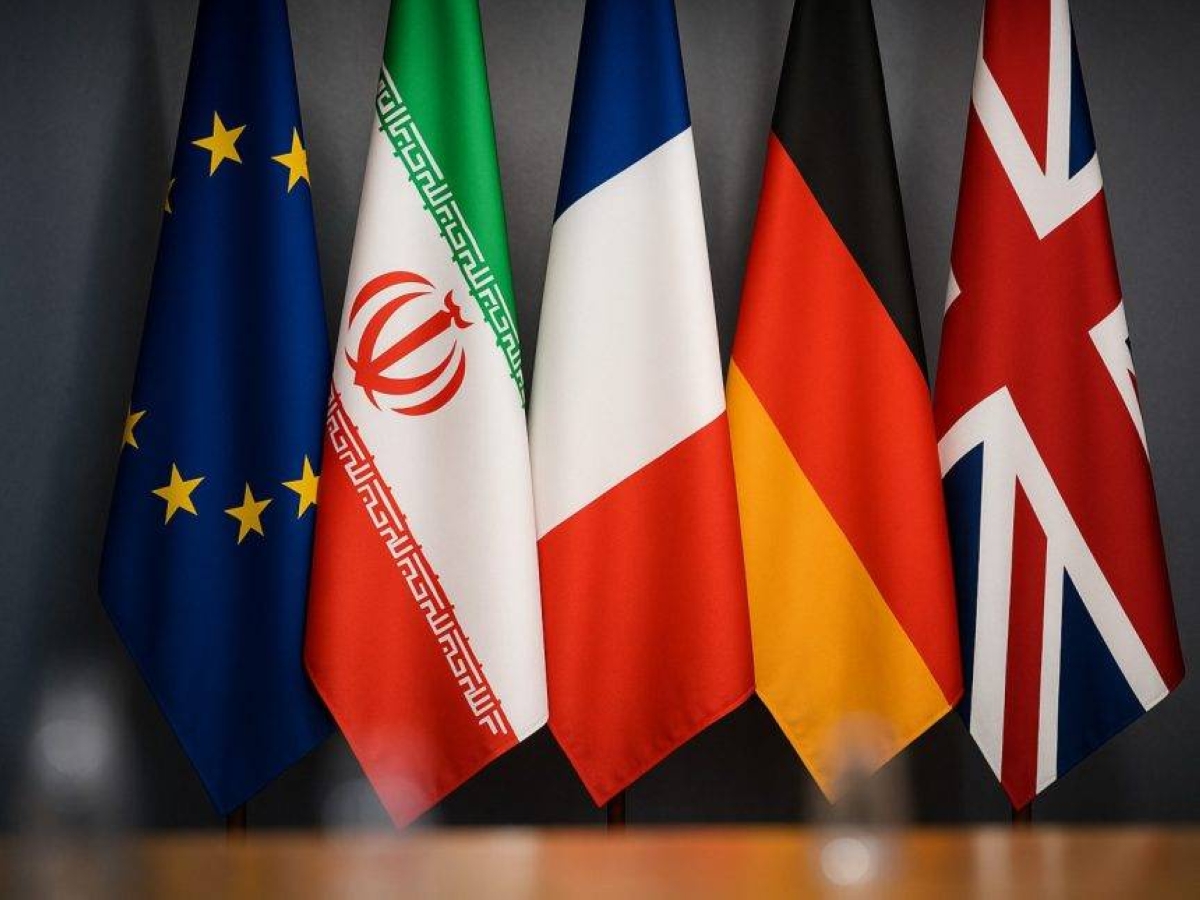
وسط عدم توقع حدوث اختراق دبلوماسي خلال الساعات القليلة القادمة، فإن إيران على موعد مع إعادة فرض مجموعة من العقوبات الدولية من قبل الأمم المتحدة.
ومن المنتظر أن تدخل العقوبات المرتقبة حيز التنفيذ، مساء اليوم (السبت)، بعدما فعلت الترويكا الأوروبية (بريطانيا، فرنسا، ألمانيا) ما يعرف بـاسم «سناب باك» أو آلية الزناد، التي نص عليها الاتفاق النووي الموقع عام 2015. واتهمت الدول الثلاث طهران بعدم الوفاء بالتزاماتها.
ويتوقع أن تطال العقوبات الشركات والمنظمات والأفراد الذين يساهمون بشكل مباشر أو غير مباشر في البرنامج النووي الإيراني أو تطوير الصواريخ الباليستية، بما يشمل توفير المعدات أو الخبرات أو التمويل اللازم، التي تُعد جميعها أسباباً كافية لفرض العقوبات.
وتتضمن العقوبات حظراً على الأسلحة التقليدية، مع منع بيع أو نقل أي أسلحة إلى إيران. وسيتم حظر استيراد أو تصدير أو نقل الأجزاء والتقنيات المتعلقة بالبرنامج النووي أو الصاروخي، فضلاً عن تجميد أصول الكيانات والأفراد المرتبطين بالبرنامج النووي الإيراني في الخارج. وتستهدف العقوبات منع الأفراد المتورطين في أنشطة نووية من السفر إلى الدول الأعضاء في الأمم المتحدة.
وسيتعين على الدول الأعضاء في الأمم المتحدة تقييد الوصول إلى المرافق المصرفية والمالية التي قد تساعد في البرامج النووية أو الصاروخية الإيرانية. ويتعرض أي شخص ينتهك نظام العقوبات لتجميد أصوله في جميع أنحاء العالم.
عقوبات أوروبية منفصلة
ومن المرجح فرض تدابير منفصلة من قبل الاتحاد الأوروبي إلى جانب العقوبات العالمية الأساسية، رغم أن عملية «العودة التلقائية» لعقوبات الأمم المتحدة تتطلب لتنفيذها عملياً من قبل الدول الأعضاء، أن تحدث تلك الدول قوانينها لتتماشى معها، وبالتالي سيكون على الاتحاد الأوروبي وبريطانيا إصدار تشريعات لتنفيذ العقوبات، لكن لم يتم تقديم تفاصيل حول هذه العملية حتى الآن.
من جانبها، أعلنت السلطات الإيرانية، مساء أمس، أنها لن تخضع للضغوط، فيما قلل عدد من مسؤوليها سابقاً من أثر العقوبات الكبير على الاقتصاد في البلاد. في وقت انتقدت روسيا والصين هذا القرار، ما فتح التساؤلات حول احتمال ألا تلتزما به.
بدوره، لفت الباحث المشارك في المعهد الدولي للدراسات الإيرانية المرتبط بجامعة السوربون كليمان ثيرم، إلى أن هناك تكلفة سياسية لتجاوز العقوبات، ولكن أيضاً هناك تكلفة مالية واقتصادية؛ لأن المعاملات المالية تصبح أكثر تكلفة. وأفاد بأن شركات الشحن أوضح مثال على الأعمال التي ستتعرض وتشعر بالضغط.
ورأى أن عودة العقوبات لن تفرض حصاراً كاملاً على إيران، لكنها بالتأكيد ستفرض ارتفاعاً في تكاليف الشحن والاستيراد والتوريد.
Amid the lack of expectation for a diplomatic breakthrough in the coming hours, Iran is set to face the re-imposition of a series of international sanctions by the United Nations.
These anticipated sanctions are expected to come into effect this evening (Saturday), after the European troika (Britain, France, Germany) activated what is known as the "snapback" mechanism outlined in the nuclear agreement signed in 2015. The three countries accused Tehran of failing to meet its commitments.
The sanctions are expected to target companies, organizations, and individuals who contribute directly or indirectly to the Iranian nuclear program or the development of ballistic missiles, including the provision of equipment, expertise, or necessary financing, all of which are considered sufficient grounds for imposing sanctions.
The sanctions include a ban on conventional weapons, prohibiting the sale or transfer of any weapons to Iran. The import, export, or transfer of parts and technologies related to the nuclear or missile programs will also be banned, in addition to freezing the assets of entities and individuals linked to the Iranian nuclear program abroad. The sanctions aim to prevent individuals involved in nuclear activities from traveling to UN member states.
UN member states will be required to restrict access to banking and financial facilities that may assist in Iranian nuclear or missile programs. Anyone who violates the sanctions regime will face asset freezes worldwide.
Separate European Sanctions
It is likely that separate measures will be imposed by the European Union alongside the core global sanctions, although the "automatic return" of UN sanctions requires, for practical implementation by member states, that those states enact laws to align with them. Therefore, the EU and Britain will need to issue legislation to implement the sanctions, but no details about this process have been provided so far.
For its part, Iranian authorities announced last night that they would not succumb to pressure, while several of its officials previously downplayed the significant impact of the sanctions on the country's economy. Meanwhile, Russia and China criticized this decision, raising questions about the possibility that they may not comply with it.
In turn, researcher Klemens Thurm from the International Institute for Iranian Studies associated with Sorbonne University pointed out that there is a political cost to circumventing the sanctions, but there is also a financial and economic cost; as financial transactions become more expensive. He noted that shipping companies are a clear example of businesses that will be affected and feel the pressure.
He believes that the return of sanctions will not impose a complete blockade on Iran, but it will certainly lead to an increase in shipping, import, and supply costs.