


رهن وزير الخارجية الإيراني عباس عراقجي، استمرار سريان الاتفاق مع الوكالة الدولية للطاقة الذرية بعدم اتخاذ أي إجراء عدائي ضد طهران، بما في ذلك إعادة فرض عقوبات الأمم المتحدة. ونقلت وسائل إعلام غربية، اليوم (الجمعة) عن عراقجي قوله: إن إيران متمسكة باستيفاء حقوقها في الاستخدام السلمي للطاقة النووية وفق معاهدة عدم الانتشار.
وتترقب الأوساط الدولية إعادة فرض العقوبات الأممية على إيران، بعد تفعيل الترويكا الأوروبية التي تضم فرنسا وألمانيا وبريطانيا الشهر الماضي لما يعرف بـ«آلية الزناد».
وشدد وزير الخارجية على أن بلاده أظهرت التزامها بالتوصل لاتفاق جديد وعادل يعالج المخاوف المتقابلة والعقوبات الظالمة.
وكان نائب وزير الخارجية الإيراني للشؤون القانونية والدولية كاظم غريب آبادي، لوح أمس (الخميس)، عقب إحاطة إعلامية مع الأعضاء غير الدائمين في مجلس الأمن، بأن بلاده ستُنهي «اتفاقية القاهرة» مع الوكالة الذرية كخطوة أولى في حال إعادة العقوبات.
واشترطت الترويكا الأوروبية على إيران الموافقة على السماح لمفتشي الوكالة الدولية بالدخول إلى جميع المنشآت النووية، فضلاً عن الاستجابة للمخاوف بشأن مخزونها من اليورانيوم المخصب، والانخراط في محادثات مع الولايات المتحدة، مقابل منح فرصة جديدة لإيران قبل إعادة العقوبات، إلا أن إيران رفضت.
يذكر أنه جرى التوصل في 2015 إلى اتفاق دولي بشأن النووي الإيراني يحدد أطر الأنشطة النووية الإيرانية مقابل رفع العقوبات عن البلاد، لكن الولايات المتحدة انسحبت أحادياً من الاتفاق سنة 2018 خلال الولاية الرئاسية الأولى لدونالد ترمب، وأعادت فرض عقوبات أمريكية على طهران، التي ردت بالتراجع تدريجياً عن معظم التزاماتها الأساسية بموجبه.
وشرع الجانبان الإيراني والأمريكي في منتصف 2025، بإجراء جولات من المحادثات امتدت حتى يونيو، وخلال التحضير والاستعداد للجولة السادسة، هاجمت إسرائيل مواقع عسكرية ونووية في الداخل الإيراني، لترد طهران بدورها، قبل أن تتدخل أيضاً الولايات المتحدة في الحرب في يونيو، وتقصف منشآت إيران النووية، ما علق بطبيعة الحال أي مفاوضات بين الجانبين، وعقّد محادثات الملف النووي الإيراني مع الأوروبيين أيضاً.
وأطلقت الدول الأوروبية في 28 أغسطس الماضي مسار آلية الزناد، وحاز قبل أكثر من أسبوع على تصويت الأغلبية في مجلس الأمن الدولي، ما يشير إلى أن العقوبات الأممية ستعود ليل غد السبت.
هل تطيح «آلية الزناد» باتفاق إيران ووكالة الطاقة الذرية؟
26 سبتمبر 2025 - 14:44
|
آخر تحديث 26 سبتمبر 2025 - 14:44
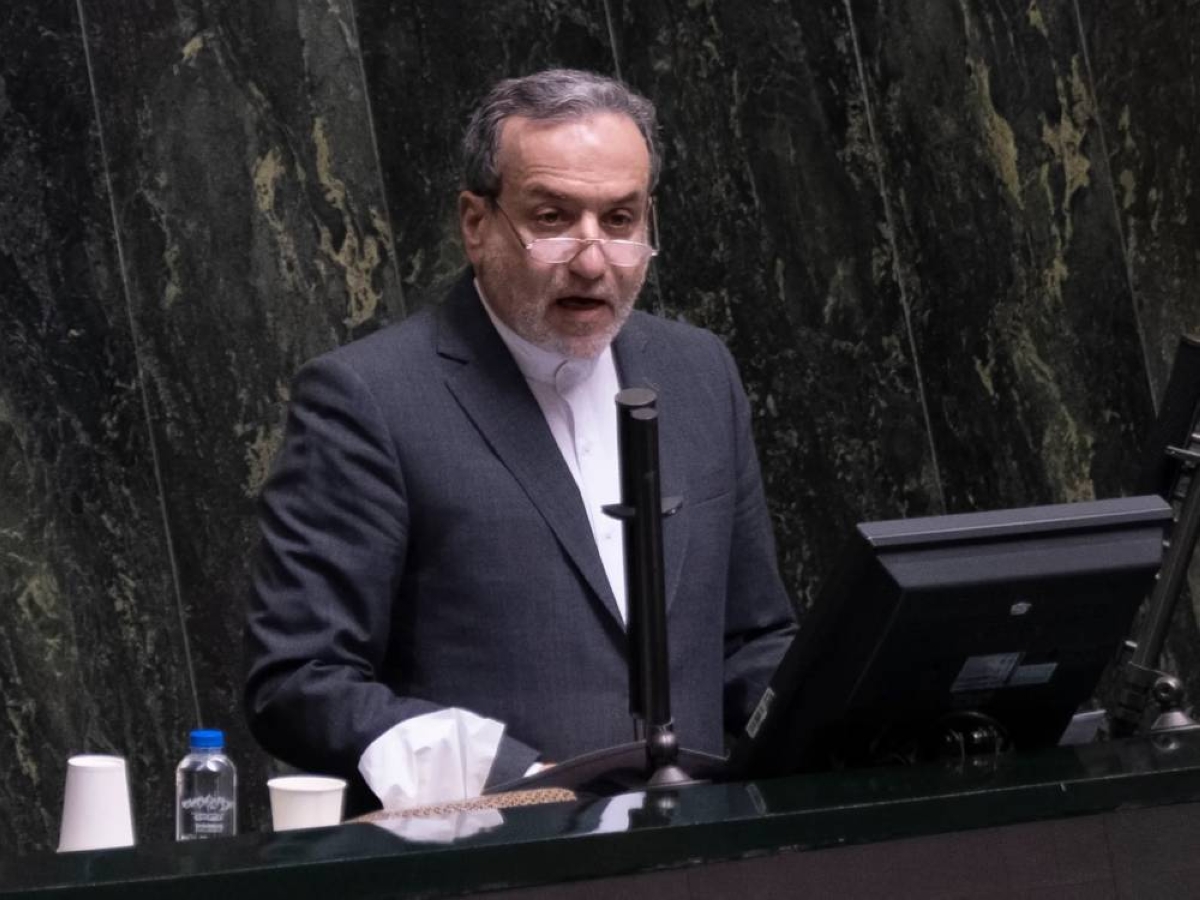
عراقجي


تابع قناة عكاظ على الواتساب
«عكاظ» (طهران، جدة) OKAZ_ONLINE@
Iranian Foreign Minister Abbas Araghchi conditioned the continued validity of the agreement with the International Atomic Energy Agency on not taking any hostile actions against Tehran, including the re-imposition of United Nations sanctions. Western media reported today (Friday) that Araghchi stated: Iran is committed to fulfilling its rights to the peaceful use of nuclear energy in accordance with the Non-Proliferation Treaty.
International circles are awaiting the re-imposition of UN sanctions on Iran, following the activation of the European troika, which includes France, Germany, and Britain, last month of what is known as the "snapback mechanism."
The Foreign Minister emphasized that his country has demonstrated its commitment to reaching a new and fair agreement that addresses mutual concerns and unjust sanctions.
Iran's Deputy Foreign Minister for Legal and International Affairs Kazem Gharib Abadi hinted yesterday (Thursday), following a media briefing with the non-permanent members of the Security Council, that his country would terminate the "Cairo Agreement" with the nuclear agency as a first step in the event of sanctions being reinstated.
The European troika conditioned Iran's agreement to allow IAEA inspectors to enter all nuclear facilities, as well as addressing concerns regarding its stockpile of enriched uranium and engaging in talks with the United States, in exchange for giving Iran a new opportunity before sanctions are reimposed; however, Iran rejected this.
It is worth noting that a 2015 international agreement was reached regarding the Iranian nuclear program, which set the frameworks for Iranian nuclear activities in exchange for lifting sanctions on the country. However, the United States unilaterally withdrew from the agreement in 2018 during Donald Trump's first presidential term and reimposed American sanctions on Tehran, which responded by gradually retreating from most of its core commitments under the agreement.
The Iranian and American sides began rounds of talks in mid-2025, extending until June. During the preparation and readiness for the sixth round, Israel attacked military and nuclear sites inside Iran, prompting Tehran to respond, before the United States also intervened in the war in June, bombing Iran's nuclear facilities, which naturally suspended any negotiations between the two sides and complicated discussions regarding the Iranian nuclear file with the Europeans as well.
European countries initiated the snapback mechanism on August 28, and it received a majority vote in the UN Security Council more than a week ago, indicating that UN sanctions will return tomorrow night, Saturday.
International circles are awaiting the re-imposition of UN sanctions on Iran, following the activation of the European troika, which includes France, Germany, and Britain, last month of what is known as the "snapback mechanism."
The Foreign Minister emphasized that his country has demonstrated its commitment to reaching a new and fair agreement that addresses mutual concerns and unjust sanctions.
Iran's Deputy Foreign Minister for Legal and International Affairs Kazem Gharib Abadi hinted yesterday (Thursday), following a media briefing with the non-permanent members of the Security Council, that his country would terminate the "Cairo Agreement" with the nuclear agency as a first step in the event of sanctions being reinstated.
The European troika conditioned Iran's agreement to allow IAEA inspectors to enter all nuclear facilities, as well as addressing concerns regarding its stockpile of enriched uranium and engaging in talks with the United States, in exchange for giving Iran a new opportunity before sanctions are reimposed; however, Iran rejected this.
It is worth noting that a 2015 international agreement was reached regarding the Iranian nuclear program, which set the frameworks for Iranian nuclear activities in exchange for lifting sanctions on the country. However, the United States unilaterally withdrew from the agreement in 2018 during Donald Trump's first presidential term and reimposed American sanctions on Tehran, which responded by gradually retreating from most of its core commitments under the agreement.
The Iranian and American sides began rounds of talks in mid-2025, extending until June. During the preparation and readiness for the sixth round, Israel attacked military and nuclear sites inside Iran, prompting Tehran to respond, before the United States also intervened in the war in June, bombing Iran's nuclear facilities, which naturally suspended any negotiations between the two sides and complicated discussions regarding the Iranian nuclear file with the Europeans as well.
European countries initiated the snapback mechanism on August 28, and it received a majority vote in the UN Security Council more than a week ago, indicating that UN sanctions will return tomorrow night, Saturday.


