


في دولة تبدأ عملية البناء من الصفر مثل سورية، تحتاج إلى شخصيات من طراز رفيع تبني الإنسان وصروح العلم والمعرفة، ذلك أن العلم في هذا العصر هو مدخل لتنمية دول ما بعد الحرب، فالتعليم العالي أحد أبرز مرتكزات نشوء الدولة لما لهذا الجيل الشاب من تأثير ودور في عملية التأسيس لمستقبل أكثر أمناً.
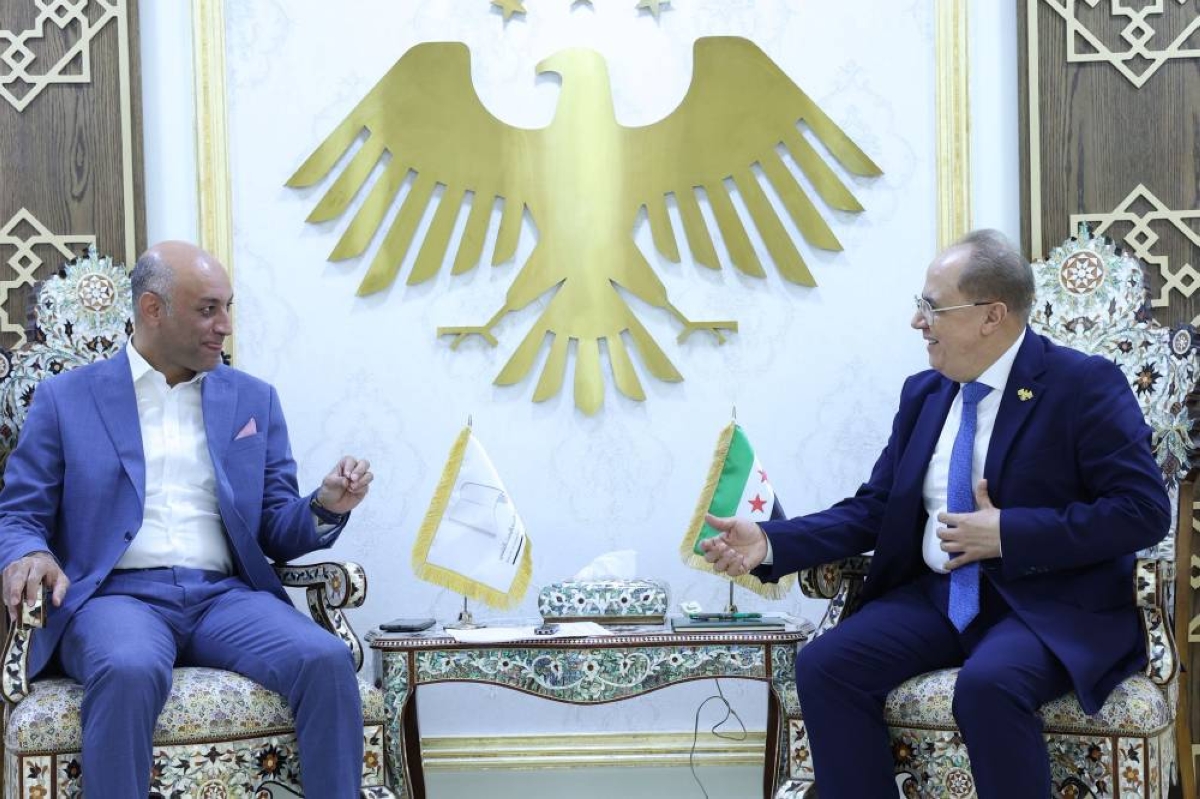
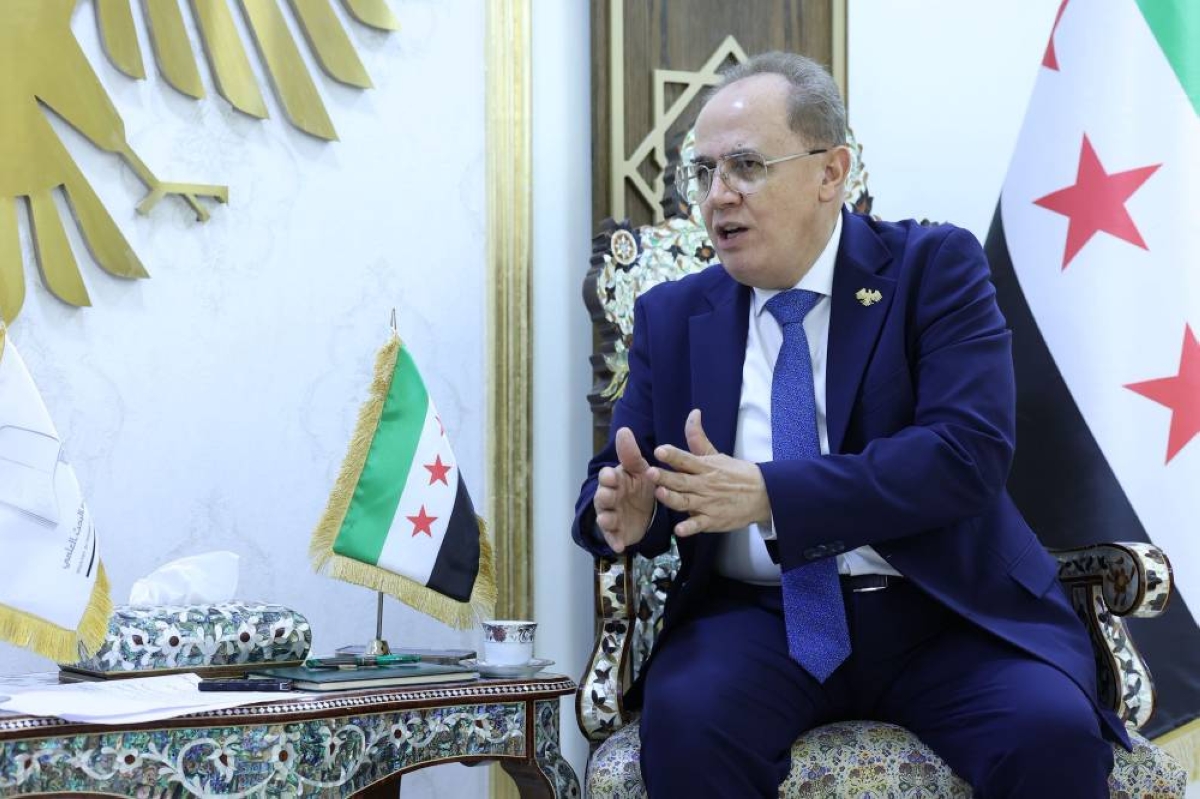
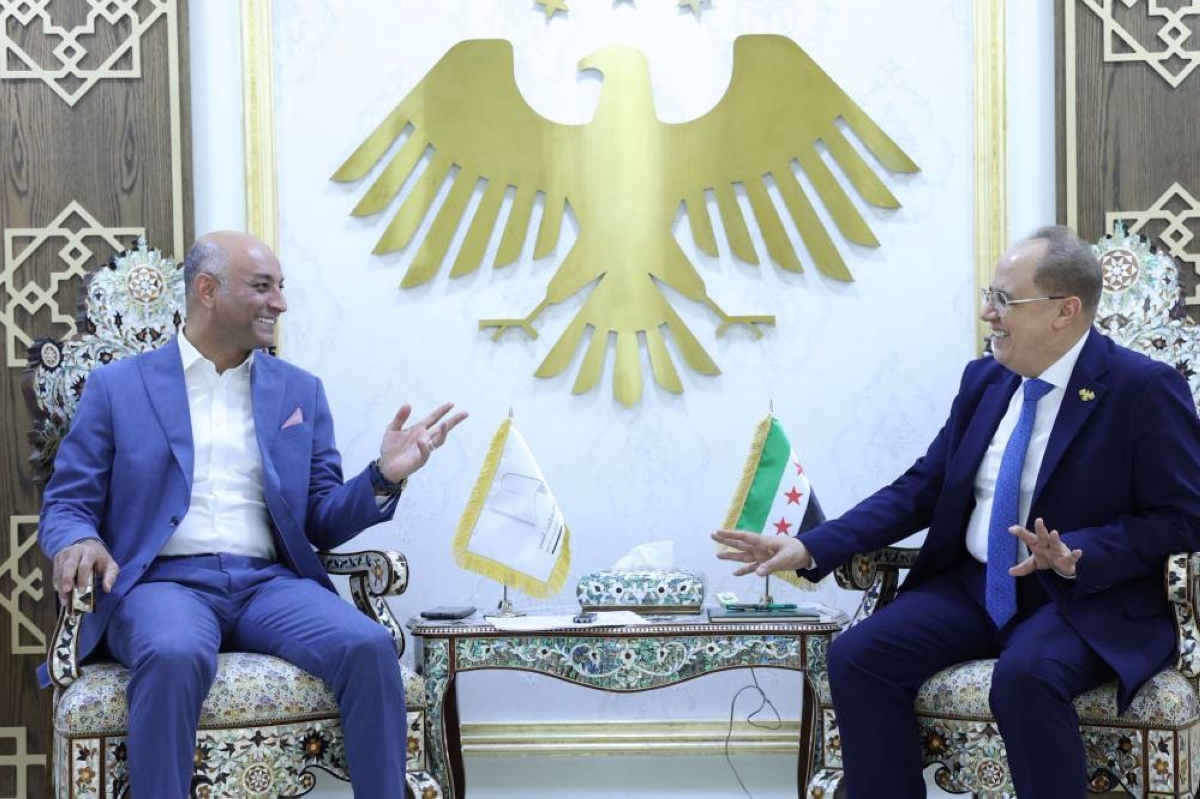
وزير التعليم العالي في الحكومة السورية الدكتور مروان الحلبي، أحد الأشخاص الذي يعملون على مدار الساعة من أجل رسم الخارطة الجديدة لوزارة التعليم العالي، ومع ذلك وجد الوزير وقتاً للحوار مع صحيفة «عكاظ»، ليطلعنا على إستراتيجيته في عمل الوزارة والتنسيق مع السعودية على مستوى التعليم وتبادل الخبرات، مؤكدا أن السعودية أول الداعمين لملف التعليم في سورية.. إلى الحوار:
البنية التحتية المتهالكة
• ما الدول التي تتصدر التعاون في مجال التعليم العالي؟
•• الحقيقة لمسنا الاهتمام من الكثير من الأشقاء لكن السعودية رقم واحد بالتعاون وهي من أكثر الداعمين للتعليم العالي، ونتطلع لمزيد من التعاون وتوسيع دائرته في كل المجالات والاختصاصات.
• ما التحديات في وزارة التعليم العالي؟
•• حقيقة كثيرة، لكن أبرزها البنية التحتية المتهالكة للتعليم والبحث العلمي كذلك البنية التقنية وهجرة العقول والحرب بالتوازي مع العزلة الأكاديمية الجزئية التي كانت موجودة إضافة إلى موضوع الحرية الأكاديمية، لقد كان التدخل السياسي والحزب والأمن في التعليم يكبح الحرية الأكاديمية ويؤثر سلبا على البحث العلمي، جميعها انعكست سلبا على عملية التعليم العلمي.
• تقصد أن هناك تدخلات من الإدارة الجديدة؟
•• على الإطلاق هناك دعم كبير من الرئيس أحمد الشرع، وهو يشجع جدا البحث العلمي والتعليم ويعتبره من أولويات الدولة وهو من أكبر الداعمين لأول مجلس طلع للتعليم ويعتبره بناء الإنسان واستثمار العقل البشري.
3 مسارات متوازية
• هل يمكن أن تلخص رؤيتكم للنهوض بقطاع التعليم العالي؟
•• التغيير عندنا ليس شعارا، بل برنامج عمل بمؤشرات قياس واضحة، بدأنا بثلاثة مسارات متوازية: حوكمة شفافة، وتحول رقمي شامل، ورفع جودة التعليم والبحث.
- الحوكمة والنزاهة: أعدنا ضبط منظومة اتخاذ القرار على أساس البيانات، فعززنا رقابة الأداء الأكاديمي والمالي، وفتحنا قنوات الشكاوى والمتابعة، وربطنا التمويل بنتائج قابلة للقياس. لا حصانات أمام القانون، ولا ترقيات بلا كفاءة.
- التحول الرقمي: نوحد السجل الأكاديمي والهوية الجامعية والخدمات (قبول، تسجيل، امتحانات، دفع إلكتروني، أرشفة) على منصة وطنية واحدة، لتقليل الزمن والكلفة ومحاربة الهدر.
- الجودة والاعتماد: نحدث الأطر والمعايير، ونراجع البرامج دوريا مع إشراك سوق العمل، ونطلق مسارات تطبيقية وتقنية قصيرة مع شهادات مهنية معترف بها.
- البحث والابتكار: ننقل البحث من رفوف المكاتب إلى خطوط الإنتاج عبر تمويل تنافسي، وحاضنات، وتشجيع براءات الاختراع ونقل التكنولوجيا، وربط الجامعات بالمشافي والقطاع الخاص.
- رأس المال البشري والطالب: برنامج وطني لتأهيل أعضاء الهيئة التدريسية واستعادة الكفاءات من diaspora، وحزم دعم ذكية للطالب (منح، قروض ميسرة، صحة نفسية وسكن جامعي).
- الانفتاح الدولي: استعادة الاعتماد والاعتراف المتبادل، وبرامج مشتركة وشهادات مزدوجة.
• هناك حديث عن الضعف في الكفاءات الحالية في الوزارة؟
•• دعني أكون صريحا: نعم، لدينا فجوات كفاءة صنعتها سنوات الحرب والهجرة وتآكل الحوافز. لكننا انتقلنا من توصيف المشكلة إلى إدارة الحل عبر مسار ثلاثي: التشخيص، والاستقطاب، والتأهيل مع المساءلة.
- تشخيص شفاف: أطلقنا «خريطة القدرات» على مستوى الوزارة والجامعات: جرد رقمي للمهارات، ونظام موارد بشرية موحد يبين الفجوات بدقة، مع تقرير سنوي علني عن توزيع الكفاءات وحاجاتها.
- الاستقطاب على أساس الاستحقاق: مسابقات رقمية مراقبة، مفاتيح توظيف موحدة، ولجان مستقلة تمنع التضارب والواسطة. فتحنا «مسار الدخول الجانبي» للخبرات من الصناعة والقطاع الصحي، وبرنامج عودة الكفاءات من المهجر بعقود مرنة وكراسي زائرين.
- التأهيل والترقية بالإنجاز: «أكاديمية قيادات التعليم العالي» لبناء مهارات الإدارة والحوكمة، ومسارات ترقية مزدوجة (تعليم/بحث) مرتبطة بمؤشرات الأداء بالأقدمية. من لا يطور أداءه يخضع لخطة تصحيح زمنية واضحة.
- الحوافز والاحتفاظ بالكفاءات: تمويل تنافسي، تخفيف الأعباء الإدارية عبر الرقمنة، منح بحثية تأسيسية، وأدوات دعم (سكن، حضانة، صحة نفسية) حيثما أمكن، مع مكافآت مرتبطة بنتائج قابلة للقياس.
- الإحلال والتوريث المؤسسي: برنامج الزمالة للباحثين الشباب، إرشاد منظم، وتمكين القيادات النسائية، وخطة إحلال واضحة لتأمين الجاهزية الوظيفية.
- المساءلة والنزاهة: عقود أداء سنوية، ومراجعة خارجية دورية. لا حصانة لأحد: الاستحقاق فوق الواسطة.
• كيف مستوى التنسيق مع الجامعات السعودية؟
•• علاقاتنا مع الجامعات السعودية نعدها شراكة طبيعية بين ركيزتين عربيتين للتعليم والبحث، ونعمل على تحويل هذه الشراكة إلى برامج قابلة للقياس عبر خمسة محاور:
1. الاعتراف والمعادلات: تشكيل فرق فنية مشتركة لتحديث معادلات الشهادات والمناهج، وربط أنظمة التحقق الرقمي للشهادات، بما يضمن انتقالا سلسا للطالب والباحث بين البلدين.
2. البرامج المشتركة والشهادات المزدوجة: أولوية للتخصصات ذات الأثر السريع (الطب والصحة، الطاقة المتجددة، المياه والبيئة، الذكاء الاصطناعي والتقانات)، مع توأمة أقسام ومخبرية بين جامعات مختارة.
3. البحث والابتكار: تمويل تنافسي للمشروعات المشتركة، ونوافذ لتحويل البحث إلى منتج (حاضنات، نقل تكنولوجيا، براءات)، وتركيز على تحديات إقليمية مشتركة كأمن المياه، والصحة الرقمية، والاستدامة.
4. حركة الأكاديميين والطلاب: زيارات علمية قصيرة، إجازات تفرغ بحثي لأعضاء الهيئة التدريسية، ومقاعد تبادل طلابي مدعومة، مع اعتراف متبادل بالاعتماد والجودة عبر الهيئات الوطنية في البلدين.
5. التعليم التقاني والتحول الرقمي: مواءمة المعايير المهنية وبرامج التدريب العملي، والاعتراف بالاعتمادات الجزئية (micro-credentials)، والتكامل بين منصات التعلم الإلكتروني.
• ما هي خطتكم من أجل البحث العلمي؟
•• البحثُ العلمي هو محركُ القيمة الذي يحول المعرفة إلى حلول نافعة، وعندما يُدار بشراكة سورية-سعودية يصبح مضاعف الأثر: معرفة تُنتج عربيا، وتقانات تُطور محليا، وأسواق تتبنى المخرجات سريعا. ننظر إلى الشراكة البحثية بين الجامعتين/الجامعات على أنها ثلاثة مسارات متكاملة:
1. توليدُ معرفة قابلة للتطبيق
- فرق بحثية مشتركة في أولويات ملحة: الصحة الرقمية والذكاء الاصطناعي الطبي، أمن المياه والغذاء، الطاقة المتجددة والهيدروجين، التعليم الرقمي والتقانات التربوية.
- مختبرات متوائمة، وبروتوكولات موحدة للأخلاقيات (e-IRB) ومعايير البيانات المفتوحة القابلة لإعادة الاستخدام (FAIR).
2. تحويلُ البحث إلى تقنية وفرص عمل
- منح تنافسية «تحديات» بتمويل متبادل، ومسارات واضحة لنقل التكنولوجيا (IP)، وحاضنات ومسرعات مشتركة، وتبن صناعي مبكر (Industry-in-the-loop).
- قياس بمؤشرات أثر لا بمجرد النشر: براءات مُستثمرة، شركات منبثقة (spin-offs)، حلول مُعتمدة في المشافي والبلديات والقطاع الخاص.
3. بناءُ رأس المال البشري المشترك
- زمالاتُ دكتوراه وما بعد الدكتوراه بوصاية مشتركة، وإجازاتُ تفرغ بحثي للأساتذة، وبرامجُ شهادات مصغرة (micro-credentials) في المهارات العميقة (AI/ML، تحليل البيانات الحيوية، تحلية المياه، كفاءة الطاقة).
بناء كتلة معرفية عربية
• ما هو تقييمكم للتعاون السعودي-السوري على مستوى البحث العلمي؟
•• نرى التعاون السوري-السعودي فرصة لبناء كتلة معرفية عربية قادرة على إنتاج العلم وتوطين التقنية. برنامجنا يرتكز على أربعة مسارات عملية، وجداول زمنية واضحة، ومؤشرات قياس مُعلنة:
الاعتراف والجودة (الأساس التنظيمي)
- تحديث معادلات الشهادات وربط أنظمة التحقق الرقمي.
- مواءمة معايير الاعتماد والبرامج، وتبادل المراجعين الأكاديميين لضمان الجودة.
التعليم المشترك وتنقل الموهبة
- شهادات مزدوجة وتوأمة أقسام في التخصصات ذات الأولوية (الطب والصحة، المياه والبيئة، الطاقة المتجددة، الذكاء الاصطناعي، التعليم التقاني).
- منصات تبادل للأساتذة والطلبة، وزمالات دكتوراه وما بعد الدكتوراه بإشراف مشترك، واعتراف بالاعتمادات الجزئية (micro-credentials).
البحث والابتكار ونقل التكنولوجيا
- صندوق تمويل ثنائي بنظام «تحديات» يحل مشكلات مشتركة (صحة رقمية، أمن مائي وغذائي، هيدروجين أخضر، مدن ذكية).
- حاضنات ومسرعات مشتركة، وسياسات واضحة للملكية الفكرية والترخيص المشترك، وبرامج شراء مبتكر لتبني الحلول في المشافي والبلديات والصناعة.
التعليم التقاني والتحول الرقمي
- مواءمة المخرجات المهنية وبرامج التدريب العملي، وربط المنصات التعليمية رقميا، وبناء مختبرات افتراضية ومخازن بيانات بحثية وفق مبادئ FAIR.
• ما مسارات التبادل في الخبرات مع الجامعات السعودية؟
•• التبادل ليس سياحة أكاديمية، بل استثمار موجه في رأس المال البشري يُقاس أثره على الطالب والجامعة وسوق العمل. نعمل على برنامج متدرج يقوم على ستة محاور عملية:
مسارات التبادل المتنوعة
- طلبة البكالوريوس والدراسات العليا: فصل/عام دراسي مع اعتراف مُسبق بالساعات، ومدارس صيفية مكثفة، وتدريب سريري/تقني قصير.
- الأساتذة والباحثون: زيارات تدريسية قصيرة (2–6 أسابيع)، إجازات تفرغ بحثي (3–12 شهرا)، إشراف مُشترك على الرسائل (cotutelle)، ومحاضرات مشتركة عبر الإنترنت (co-teaching).
- التبادل الافتراضي المدمج: مقررات مشتركة ومنصات مختبرية رقمية لضمان الشمول وتقليل الكلفة.
الاعتراف الأكاديمي المسبق
- جداول مواءمة للمقررات قبل السفر، عقود تعلم فردية، ومبدأ “الساعات تدخل كما خرجت” لحماية الطالب من الفاقد.
- آلية سريعة للاعتراف بالاعتمادات الجزئية (micro-credentials) والشهادات المهنية.
معايير اختيار شفافة ومنصفة
- الاستحقاق (تحصيل، دافعية، مشروع دراسي/بحثي واضح) مع مسارات دعم لذوي الدخل المحدود وذوي الإعاقة.
- توزيع متوازن بين التخصصات والمناطق، وتمثيل عادل بين الجنسين.
التمويل والدعم اللوجستي
- منح ثنائية تغطي الرسوم والسكن والتأمين الصحي وتذاكر السفر، ومكاتب مساندة للتأشيرات والمعادلات والسكن الجامعي.
- استعداد لغوي وأكاديمي قبل السفر (Arabic/English bootcamps) ودعم نفسي واجتماعي أثناء الإقامة.
الحوكمة والامتثال
- لجنة توجيهية سورية-سعودية، بوابة إلكترونية موحدة للتنقل الأكاديمي، مدونة سلوك، وأطر أخلاقيات بحث (IRB) وحماية بيانات مشتركة.
- تقارير ربع سنوية للأثر، ومسارات تصحيح عند الحاجة.
التحرك على 3 محاور مترابطة
• ماهي الخطة للتعاون مع الجامعات السعودية وآليات هذا التعاون؟
•• ننظر إلى خبرة الجامعات السعودية بوصفها رافعة عملية لتسريع الإصلاح بعد التحرير. خطتنا تتحرك على ثلاثة محاور مترابطة: الجودة والاعتماد، بناء القدرات الأكاديمية، وحوكمة البيانات وقواعدها، وكل محور مرتبط بمؤشرات قياس واضحة.
أولا: الجودة والاعتماد (من الورق إلى الأثر)
- مواءمة الأطر: مواءمة الإطار الوطني للمؤهلات ومعايير الاعتماد بين البلدين، وتحديث مصفوفات مخرجات التعلم (PLO/CLO) وربطها بالتقييم الفعلي.
- مراجعة ندية مشتركة: لجان خارجية مشتركة للبرامج ذات الأولوية، وزيارات اعتماد متبادلة، وتوأمة وحدات الجودة في الكليات المناظرة.
- بوابة اعتماد إلكترونية: أتمتة دورة الاعتماد (تقديم الملف، الأدلة، مؤشرات الأداء، تتبع التحسين) لتقليص الزمن والازدواجية.
- قياس الأثر: الاعتماد ليس شهادة على الجدار، بل تحسن في أداء الطلبة، وتوظيف الخريجين، ونتاج البحث، والتدريس.
ثانيا: بناء القدرات الأكاديمية (من الأقدمية إلى الاستحقاق)
- أكاديمية الجودة والتميز: تدريب مُعتمد وفق أفضل الممارسات الخليجية لقيادات الكليات ومنسقي البرامج ومراجعي الجودة الداخليين.
- تطوير المقررات: عينات مقررات مشتركة (blueprints) في الطب، الصحة، الهندسيات، والتقانات، تشمل سياسات التقييم، ملفات المقرر.
- التدريس المبني على الأدلة: تعميم التدريس النشط، التعلم القائم على المشكلات/الفرق، والمحاكاة السريرية/الصناعية، مع دعم تقويم تدريسي دوري (Peer Review of Teaching).
ثالثا: حوكمة البيانات وقواعدها (القرار المبني على الدليل)
- سجل أكاديمي وطني موحد: تعريف بيانات رئيسي (Data Dictionary) ونظام MDM لربط القبول، والتسجيل، والامتحانات، والتخرج.
- مستودعات معرفية: مستودع وطني للأطروحات والرسائل، ومستودع بيانات بحثية وفق مبادئ FAIR، وربط معرفات الباحثين (ORCID) ومعرفات الأبحاث (DOI).
- لوحة مؤشرات علنية: مؤشرات للبرامج والكليات (نسب النجاح، تحقيق المخرجات، رضا الطلبة وأرباب العمل، زمن خدمة الطالب)، تُنشر دوريا وتُستخدم في قرارات التمويل القائم على الأداء.
قال إن الشرع يولي مسألة التعليم أهمية بالغة..
وزير التعليم العالي السوري لـ «عكاظ»: السعودية تتصدّر قائمة الدول الداعمة
23 سبتمبر 2025 - 02:56
|
آخر تحديث 23 سبتمبر 2025 - 02:56


تابع قناة عكاظ على الواتساب
حاوره: عبدالله الغضوي GhadawiAbdullah@
In a country where the construction process starts from scratch, like Syria, there is a need for high-caliber individuals to build human capacity and the pillars of science and knowledge. Indeed, knowledge in this era is a gateway to the development of post-war countries, as higher education is one of the most prominent foundations for the emergence of a state, given the influence and role of this young generation in establishing a more secure future.
The Syrian Minister of Higher Education, Dr. Marwan Al-Halabi, is one of those who work around the clock to draw the new map for the Ministry of Higher Education. Nevertheless, the minister found time for a dialogue with the newspaper "Okaz" to share his strategy for the ministry's work and coordination with Saudi Arabia in the field of education and the exchange of experiences, confirming that Saudi Arabia is the foremost supporter of the education file in Syria.. to the dialogue:
Decaying Infrastructure
• Which countries are leading in cooperation in the field of higher education?
•• The truth is we have noticed interest from many of our brothers, but Saudi Arabia is number one in cooperation and is one of the biggest supporters of higher education. We look forward to more cooperation and expanding its scope in all fields and specialties.
• What are the challenges in the Ministry of Higher Education?
•• There are indeed many, but the most prominent are the decaying infrastructure for education and scientific research, as well as the technical infrastructure, brain drain, and war, alongside the partial academic isolation that existed, in addition to the issue of academic freedom. Political, party, and security interventions in education have stifled academic freedom and negatively impacted scientific research, all of which have adversely affected the educational process.
• Do you mean that there are interventions from the new administration?
•• Not at all; there is significant support from President Ahmad Al-Shara, who strongly encourages scientific research and education, considering it one of the state's priorities. He is one of the biggest supporters of the first council that emerged for education, viewing it as building human capacity and investing in human intellect.
Three Parallel Tracks
• Can you summarize your vision for advancing the higher education sector?
•• Change for us is not just a slogan, but a work program with clear measurement indicators. We started with three parallel tracks: transparent governance, comprehensive digital transformation, and raising the quality of education and research.
- Governance and Integrity: We have restructured the decision-making system based on data, enhancing oversight of academic and financial performance, opening channels for complaints and follow-up, and linking funding to measurable results. There are no immunities before the law, and no promotions without competence.
- Digital Transformation: We are unifying the academic record, university identity, and services (admissions, registration, exams, electronic payment, archiving) on a single national platform to reduce time and cost and combat waste.
- Quality and Accreditation: We are updating frameworks and standards, reviewing programs periodically with the involvement of the labor market, and launching short applied and technical paths with recognized professional certificates.
- Research and Innovation: We are moving research from the shelves of offices to production lines through competitive funding, incubators, encouraging patents, and technology transfer, linking universities with hospitals and the private sector.
- Human Capital and Students: A national program to qualify faculty members and recover competencies from the diaspora, along with smart support packages for students (grants, facilitated loans, mental health, and university housing).
- International Openness: Restoring accreditation and mutual recognition, joint programs, and dual degrees.
• There is talk about the weakness in current competencies in the ministry?
•• Let me be frank: Yes, we have competency gaps created by years of war, migration, and the erosion of incentives. However, we have moved from describing the problem to managing the solution through a three-pronged approach: diagnosis, attraction, and qualification with accountability.
- Transparent Diagnosis: We launched a "Capabilities Map" at the ministry and universities: a digital inventory of skills, and a unified human resources system that accurately shows the gaps, along with an annual public report on the distribution of competencies and their needs.
- Attraction Based on Merit: Monitored digital competitions, unified employment keys, and independent committees to prevent conflict and favoritism. We opened a "side entry path" for expertise from industry and the health sector, and a program for the return of competencies from abroad with flexible contracts and visiting chairs.
- Qualification and Promotion by Achievement: The "Academy of Higher Education Leaders" to build management and governance skills, and dual promotion paths (education/research) linked to performance indicators by seniority. Those who do not improve their performance are subject to a clear corrective plan over time.
- Incentives and Retaining Competencies: Competitive funding, reducing administrative burdens through digitization, foundational research grants, and support tools (housing, childcare, mental health) where possible, with rewards linked to measurable results.
- Institutional Replacement and Succession: A fellowship program for young researchers, organized mentoring, empowering female leadership, and a clear succession plan to ensure job readiness.
- Accountability and Integrity: Annual performance contracts and periodic external reviews. No one is immune: merit is above favoritism.
• What is the level of coordination with Saudi universities?
•• We consider our relationships with Saudi universities a natural partnership between two Arab pillars for education and research, and we are working to transform this partnership into measurable programs across five axes:
1. Recognition and Equivalencies: Forming joint technical teams to update equivalencies of degrees and curricula, and linking digital verification systems for certificates, ensuring a smooth transition for students and researchers between the two countries.
2. Joint Programs and Dual Degrees: Prioritizing specialties with rapid impact (medicine and health, renewable energy, water and environment, artificial intelligence and technologies), with twinning of departments and laboratories between selected universities.
3. Research and Innovation: Competitive funding for joint projects, windows for turning research into products (incubators, technology transfer, patents), and focusing on common regional challenges such as water security, digital health, and sustainability.
4. Movement of Academics and Students: Short scientific visits, research leave for faculty members, and supported student exchange seats, with mutual recognition of accreditation and quality through national bodies in both countries.
5. Technical Education and Digital Transformation: Aligning professional standards and practical training programs, recognizing partial accreditations (micro-credentials), and integrating e-learning platforms.
• What is your plan for scientific research?
•• Scientific research is the value driver that transforms knowledge into useful solutions, and when managed through a Syrian-Saudi partnership, it becomes a multiplier of impact: knowledge produced in the Arab world, technologies developed locally, and markets that quickly adopt the outputs. We view the research partnership between the two universities as three integrated paths:
1. Generating Applicable Knowledge
- Joint research teams in urgent priorities: digital health and medical artificial intelligence, water and food security, renewable energy and hydrogen, digital education and educational technologies.
- Aligned laboratories and unified protocols for ethics (e-IRB) and reusable open data standards (FAIR).
2. Turning Research into Technology and Job Opportunities
- Competitive grants for "Challenges" with mutual funding, clear paths for technology transfer (IP), joint incubators and accelerators, and early industrial adoption (Industry-in-the-loop).
- Measuring impact with indicators, not just publication: invested patents, spin-off companies, solutions adopted in hospitals, municipalities, and the private sector.
3. Building Shared Human Capital
- Doctoral and post-doctoral fellowships with joint supervision, research leave for professors, and micro-credential programs in deep skills (AI/ML, bioinformatics, water desalination, energy efficiency).
Building an Arab Knowledge Block
• What is your assessment of Saudi-Syrian cooperation in the field of scientific research?
•• We see Syrian-Saudi cooperation as an opportunity to build an Arab knowledge block capable of producing science and localizing technology. Our program is based on four practical paths, clear timelines, and announced measurement indicators:
Recognition and Quality (Organizational Foundation)
- Updating degree equivalencies and linking digital verification systems.
- Aligning accreditation standards and programs, and exchanging academic reviewers to ensure quality.
Joint Education and Talent Mobility
- Dual degrees and twinning of departments in priority specialties (medicine and health, water and environment, renewable energy, artificial intelligence, technical education).
- Platforms for exchanging faculty and students, doctoral and post-doctoral fellowships with joint supervision, and recognition of partial accreditations (micro-credentials).
Research, Innovation, and Technology Transfer
- A bilateral funding fund under a "Challenges" system to solve common problems (digital health, water and food security, green hydrogen, smart cities).
- Joint incubators and accelerators, clear policies for intellectual property and joint licensing, and innovative purchasing programs to adopt solutions in hospitals, municipalities, and industry.
Technical Education and Digital Transformation
- Aligning professional outputs and practical training programs, linking educational platforms digitally, and building virtual laboratories and research data repositories according to FAIR principles.
• What are the paths for exchanging experiences with Saudi universities?
•• Exchange is not academic tourism, but a targeted investment in human capital whose impact is measured on the student, the university, and the labor market. We are working on a phased program based on six practical axes:
Diverse Exchange Paths
- Undergraduate and graduate students: a semester/academic year with prior recognition of credits, intensive summer schools, and short clinical/technical training.
- Faculty and researchers: short teaching visits (2–6 weeks), research leave (3–12 months), joint supervision of theses (cotutelle), and joint online lectures (co-teaching).
- Integrated virtual exchange: joint courses and digital laboratory platforms to ensure inclusivity and reduce costs.
Prior Academic Recognition
- Alignment tables for courses before travel, individual learning contracts, and the principle of "credits count as they were earned" to protect the student from loss.
- A rapid mechanism for recognizing partial accreditations (micro-credentials) and professional certificates.
Transparent and Fair Selection Criteria
- Merit (academic achievement, motivation, clear study/research project) with support paths for low-income individuals and those with disabilities.
- Balanced distribution among specialties and regions, and fair representation between genders.
Funding and Logistical Support
- Bilateral grants covering tuition, housing, health insurance, and travel tickets, with support offices for visas, equivalencies, and university housing.
- Language and academic preparation before travel (Arabic/English boot camps) and psychological and social support during the stay.
Governance and Compliance
- A Syrian-Saudi steering committee, a unified electronic portal for academic mobility, a code of conduct, and shared research ethics (IRB) and data protection frameworks.
- Quarterly impact reports and corrective paths as needed.
Moving on Three Interconnected Axes
• What is the plan for cooperation with Saudi universities and the mechanisms of this cooperation?
•• We view the experience of Saudi universities as a practical lever to accelerate reform after liberation. Our plan moves on three interconnected axes: quality and accreditation, building academic capacities, and data governance and its regulations, with each axis linked to clear measurement indicators.
First: Quality and Accreditation (From Paper to Impact)
- Aligning frameworks: aligning the national qualifications framework and accreditation standards between the two countries, updating learning outcomes matrices (PLO/CLO) and linking them to actual evaluation.
- Joint peer review: joint external committees for priority programs, mutual accreditation visits, and twinning of quality units in corresponding colleges.
- Electronic accreditation portal: automating the accreditation cycle (submitting the file, evidence, performance indicators, tracking improvement) to reduce time and duplication.
- Measuring impact: accreditation is not a certificate on the wall, but an improvement in student performance, employment of graduates, research output, and teaching.
Second: Building Academic Capacities (From Seniority to Merit)
- Quality and Excellence Academy: accredited training according to the best Gulf practices for college leaders, program coordinators, and internal quality reviewers.
- Developing curricula: samples of joint courses (blueprints) in medicine, health, engineering, and technologies, including assessment policies and course files.
- Evidence-based teaching: generalizing active teaching, problem-based/team-based learning, and clinical/industrial simulations, with support for periodic teaching evaluations (Peer Review of Teaching).
Third: Data Governance and Regulations (Evidence-Based Decision Making)
- Unified national academic record: defining a master data dictionary and MDM system to link admissions, registration, exams, and graduation.
- Knowledge repositories: a national repository for theses and dissertations, a research data repository according to FAIR principles, and linking researcher identifiers (ORCID) and research identifiers (DOI).
- Public indicators dashboard: indicators for programs and colleges (success rates, achievement of outcomes, student and employer satisfaction, student service time), published regularly and used in performance-based funding decisions.
The Syrian Minister of Higher Education, Dr. Marwan Al-Halabi, is one of those who work around the clock to draw the new map for the Ministry of Higher Education. Nevertheless, the minister found time for a dialogue with the newspaper "Okaz" to share his strategy for the ministry's work and coordination with Saudi Arabia in the field of education and the exchange of experiences, confirming that Saudi Arabia is the foremost supporter of the education file in Syria.. to the dialogue:
Decaying Infrastructure
• Which countries are leading in cooperation in the field of higher education?
•• The truth is we have noticed interest from many of our brothers, but Saudi Arabia is number one in cooperation and is one of the biggest supporters of higher education. We look forward to more cooperation and expanding its scope in all fields and specialties.
• What are the challenges in the Ministry of Higher Education?
•• There are indeed many, but the most prominent are the decaying infrastructure for education and scientific research, as well as the technical infrastructure, brain drain, and war, alongside the partial academic isolation that existed, in addition to the issue of academic freedom. Political, party, and security interventions in education have stifled academic freedom and negatively impacted scientific research, all of which have adversely affected the educational process.
• Do you mean that there are interventions from the new administration?
•• Not at all; there is significant support from President Ahmad Al-Shara, who strongly encourages scientific research and education, considering it one of the state's priorities. He is one of the biggest supporters of the first council that emerged for education, viewing it as building human capacity and investing in human intellect.
Three Parallel Tracks
• Can you summarize your vision for advancing the higher education sector?
•• Change for us is not just a slogan, but a work program with clear measurement indicators. We started with three parallel tracks: transparent governance, comprehensive digital transformation, and raising the quality of education and research.
- Governance and Integrity: We have restructured the decision-making system based on data, enhancing oversight of academic and financial performance, opening channels for complaints and follow-up, and linking funding to measurable results. There are no immunities before the law, and no promotions without competence.
- Digital Transformation: We are unifying the academic record, university identity, and services (admissions, registration, exams, electronic payment, archiving) on a single national platform to reduce time and cost and combat waste.
- Quality and Accreditation: We are updating frameworks and standards, reviewing programs periodically with the involvement of the labor market, and launching short applied and technical paths with recognized professional certificates.
- Research and Innovation: We are moving research from the shelves of offices to production lines through competitive funding, incubators, encouraging patents, and technology transfer, linking universities with hospitals and the private sector.
- Human Capital and Students: A national program to qualify faculty members and recover competencies from the diaspora, along with smart support packages for students (grants, facilitated loans, mental health, and university housing).
- International Openness: Restoring accreditation and mutual recognition, joint programs, and dual degrees.
• There is talk about the weakness in current competencies in the ministry?
•• Let me be frank: Yes, we have competency gaps created by years of war, migration, and the erosion of incentives. However, we have moved from describing the problem to managing the solution through a three-pronged approach: diagnosis, attraction, and qualification with accountability.
- Transparent Diagnosis: We launched a "Capabilities Map" at the ministry and universities: a digital inventory of skills, and a unified human resources system that accurately shows the gaps, along with an annual public report on the distribution of competencies and their needs.
- Attraction Based on Merit: Monitored digital competitions, unified employment keys, and independent committees to prevent conflict and favoritism. We opened a "side entry path" for expertise from industry and the health sector, and a program for the return of competencies from abroad with flexible contracts and visiting chairs.
- Qualification and Promotion by Achievement: The "Academy of Higher Education Leaders" to build management and governance skills, and dual promotion paths (education/research) linked to performance indicators by seniority. Those who do not improve their performance are subject to a clear corrective plan over time.
- Incentives and Retaining Competencies: Competitive funding, reducing administrative burdens through digitization, foundational research grants, and support tools (housing, childcare, mental health) where possible, with rewards linked to measurable results.
- Institutional Replacement and Succession: A fellowship program for young researchers, organized mentoring, empowering female leadership, and a clear succession plan to ensure job readiness.
- Accountability and Integrity: Annual performance contracts and periodic external reviews. No one is immune: merit is above favoritism.
• What is the level of coordination with Saudi universities?
•• We consider our relationships with Saudi universities a natural partnership between two Arab pillars for education and research, and we are working to transform this partnership into measurable programs across five axes:
1. Recognition and Equivalencies: Forming joint technical teams to update equivalencies of degrees and curricula, and linking digital verification systems for certificates, ensuring a smooth transition for students and researchers between the two countries.
2. Joint Programs and Dual Degrees: Prioritizing specialties with rapid impact (medicine and health, renewable energy, water and environment, artificial intelligence and technologies), with twinning of departments and laboratories between selected universities.
3. Research and Innovation: Competitive funding for joint projects, windows for turning research into products (incubators, technology transfer, patents), and focusing on common regional challenges such as water security, digital health, and sustainability.
4. Movement of Academics and Students: Short scientific visits, research leave for faculty members, and supported student exchange seats, with mutual recognition of accreditation and quality through national bodies in both countries.
5. Technical Education and Digital Transformation: Aligning professional standards and practical training programs, recognizing partial accreditations (micro-credentials), and integrating e-learning platforms.
• What is your plan for scientific research?
•• Scientific research is the value driver that transforms knowledge into useful solutions, and when managed through a Syrian-Saudi partnership, it becomes a multiplier of impact: knowledge produced in the Arab world, technologies developed locally, and markets that quickly adopt the outputs. We view the research partnership between the two universities as three integrated paths:
1. Generating Applicable Knowledge
- Joint research teams in urgent priorities: digital health and medical artificial intelligence, water and food security, renewable energy and hydrogen, digital education and educational technologies.
- Aligned laboratories and unified protocols for ethics (e-IRB) and reusable open data standards (FAIR).
2. Turning Research into Technology and Job Opportunities
- Competitive grants for "Challenges" with mutual funding, clear paths for technology transfer (IP), joint incubators and accelerators, and early industrial adoption (Industry-in-the-loop).
- Measuring impact with indicators, not just publication: invested patents, spin-off companies, solutions adopted in hospitals, municipalities, and the private sector.
3. Building Shared Human Capital
- Doctoral and post-doctoral fellowships with joint supervision, research leave for professors, and micro-credential programs in deep skills (AI/ML, bioinformatics, water desalination, energy efficiency).
Building an Arab Knowledge Block
• What is your assessment of Saudi-Syrian cooperation in the field of scientific research?
•• We see Syrian-Saudi cooperation as an opportunity to build an Arab knowledge block capable of producing science and localizing technology. Our program is based on four practical paths, clear timelines, and announced measurement indicators:
Recognition and Quality (Organizational Foundation)
- Updating degree equivalencies and linking digital verification systems.
- Aligning accreditation standards and programs, and exchanging academic reviewers to ensure quality.
Joint Education and Talent Mobility
- Dual degrees and twinning of departments in priority specialties (medicine and health, water and environment, renewable energy, artificial intelligence, technical education).
- Platforms for exchanging faculty and students, doctoral and post-doctoral fellowships with joint supervision, and recognition of partial accreditations (micro-credentials).
Research, Innovation, and Technology Transfer
- A bilateral funding fund under a "Challenges" system to solve common problems (digital health, water and food security, green hydrogen, smart cities).
- Joint incubators and accelerators, clear policies for intellectual property and joint licensing, and innovative purchasing programs to adopt solutions in hospitals, municipalities, and industry.
Technical Education and Digital Transformation
- Aligning professional outputs and practical training programs, linking educational platforms digitally, and building virtual laboratories and research data repositories according to FAIR principles.
• What are the paths for exchanging experiences with Saudi universities?
•• Exchange is not academic tourism, but a targeted investment in human capital whose impact is measured on the student, the university, and the labor market. We are working on a phased program based on six practical axes:
Diverse Exchange Paths
- Undergraduate and graduate students: a semester/academic year with prior recognition of credits, intensive summer schools, and short clinical/technical training.
- Faculty and researchers: short teaching visits (2–6 weeks), research leave (3–12 months), joint supervision of theses (cotutelle), and joint online lectures (co-teaching).
- Integrated virtual exchange: joint courses and digital laboratory platforms to ensure inclusivity and reduce costs.
Prior Academic Recognition
- Alignment tables for courses before travel, individual learning contracts, and the principle of "credits count as they were earned" to protect the student from loss.
- A rapid mechanism for recognizing partial accreditations (micro-credentials) and professional certificates.
Transparent and Fair Selection Criteria
- Merit (academic achievement, motivation, clear study/research project) with support paths for low-income individuals and those with disabilities.
- Balanced distribution among specialties and regions, and fair representation between genders.
Funding and Logistical Support
- Bilateral grants covering tuition, housing, health insurance, and travel tickets, with support offices for visas, equivalencies, and university housing.
- Language and academic preparation before travel (Arabic/English boot camps) and psychological and social support during the stay.
Governance and Compliance
- A Syrian-Saudi steering committee, a unified electronic portal for academic mobility, a code of conduct, and shared research ethics (IRB) and data protection frameworks.
- Quarterly impact reports and corrective paths as needed.
Moving on Three Interconnected Axes
• What is the plan for cooperation with Saudi universities and the mechanisms of this cooperation?
•• We view the experience of Saudi universities as a practical lever to accelerate reform after liberation. Our plan moves on three interconnected axes: quality and accreditation, building academic capacities, and data governance and its regulations, with each axis linked to clear measurement indicators.
First: Quality and Accreditation (From Paper to Impact)
- Aligning frameworks: aligning the national qualifications framework and accreditation standards between the two countries, updating learning outcomes matrices (PLO/CLO) and linking them to actual evaluation.
- Joint peer review: joint external committees for priority programs, mutual accreditation visits, and twinning of quality units in corresponding colleges.
- Electronic accreditation portal: automating the accreditation cycle (submitting the file, evidence, performance indicators, tracking improvement) to reduce time and duplication.
- Measuring impact: accreditation is not a certificate on the wall, but an improvement in student performance, employment of graduates, research output, and teaching.
Second: Building Academic Capacities (From Seniority to Merit)
- Quality and Excellence Academy: accredited training according to the best Gulf practices for college leaders, program coordinators, and internal quality reviewers.
- Developing curricula: samples of joint courses (blueprints) in medicine, health, engineering, and technologies, including assessment policies and course files.
- Evidence-based teaching: generalizing active teaching, problem-based/team-based learning, and clinical/industrial simulations, with support for periodic teaching evaluations (Peer Review of Teaching).
Third: Data Governance and Regulations (Evidence-Based Decision Making)
- Unified national academic record: defining a master data dictionary and MDM system to link admissions, registration, exams, and graduation.
- Knowledge repositories: a national repository for theses and dissertations, a research data repository according to FAIR principles, and linking researcher identifiers (ORCID) and research identifiers (DOI).
- Public indicators dashboard: indicators for programs and colleges (success rates, achievement of outcomes, student and employer satisfaction, student service time), published regularly and used in performance-based funding decisions.


