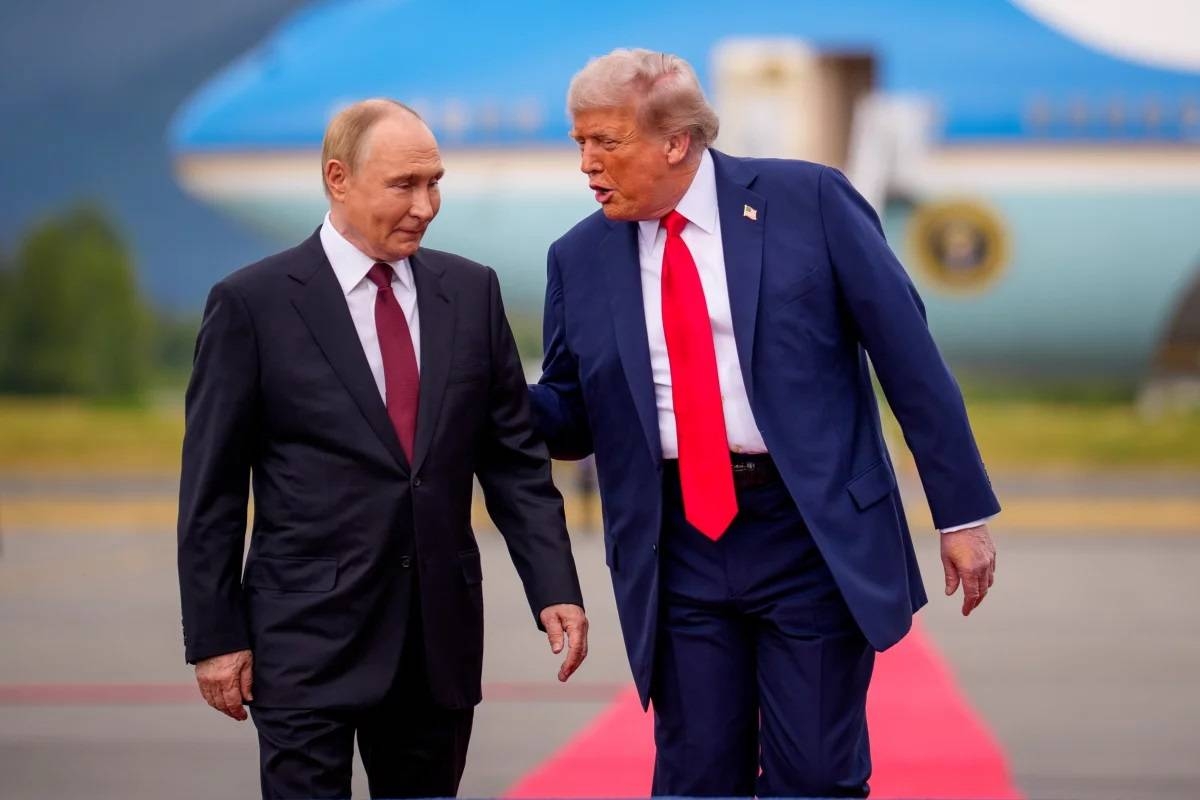
كشفت مصادر مقربة من الكرملين أن الرئيس الروسي فلاديمير بوتين يعتزم تكثيف العمليات العسكرية ضد أوكرانيا، معتبرًا أن التصعيد هو السبيل الأمثل لإجبار كييف على التفاوض وفق شروطه.
وأشارت المصادر، وفقًا لوكالة «بلومبرغ»، إلى اقتناع بوتين بأن الرئيس الأمريكي دونالد ترمب لن يعزز دعمه العسكري لأوكرانيا، بناءً على محادثات جرت بينهما في ألاسكا الشهر الماضي.
إضعاف دفاعات كييف
وأوضحت المصادر أن بوتين يخطط لمواصلة استهداف البنية التحتية الأوكرانية، بما في ذلك شبكات الطاقة، بهدف إضعاف دفاعات كييف ودفعها نحو تقديم تنازلات.
وخلال قمة أنكوريج في ألاسكا، عرض بوتين تجميد خط التماس في جنوب أوكرانيا مقابل تنازل كييف عن أراضٍ غير محتلة في منطقتي دونيتسك ولوغانسك، إلى جانب مطالبته بتقييد حجم القوات الأوكرانية والتخلي عن طموحها للانضمام إلى حلف الناتو، لكن الرئيس الأوكراني فولوديمير زيلينسكي رفض هذه الشروط بشكل قاطع، مما دفع روسيا إلى تصعيد هجماتها.
ارتفاع الهجمات الروسية
ووفقًا لبيانات القوات الجوية الأوكرانية، ارتفعت الهجمات الروسية بالطائرات المسيرة والصواريخ بنسبة 46% منذ قمة أنكوريج، مع تركيز الهجمات على الأهداف العسكرية والمدنية، خاصة في المناطق الشرقية والجنوبية.
وتشير التقارير إلى أن موسكو خفّضت هجماتها بعيدة المدى قبل القمة، لكنها عاودت التصعيد بعد فشل المحادثات في التوصل إلى اتفاق.
رؤية بوتين لحرب غزة
تؤكد المصادر أن بوتين يرى في الحرب الإسرائيلية على غزة نموذجًا يقلل من الضغط الدولي على روسيا، حيث يعتبر أن القبول الغربي للعمليات الإسرائيلية يخفف الانتقادات الموجهة لموسكو.
كما يراقب بوتين الوضع الدولي عن كثب، مستفيدًا من مؤشرات ضبط النفس الأمريكية، خاصة بعد تصريحات ترمب التي ربطت فرض عقوبات جديدة على روسيا بتوقف دول الناتو عن استيراد النفط الروسي، وهو شرط يصعب تحقيقه بسبب معارضة دول مثل المجر وسلوفاكيا.
استنفار في بولندا
تتزامن إستراتيجية بوتين مع تصاعد التوترات في المنطقة، حيث استنفرت بولندا قواتها الجوية لحماية أجوائها بعد انتهاكات روسية متكررة، بما في ذلك خرق 19 طائرة مسيرة لأجوائها الأسبوع الماضي.
كما أثارت روسيا قلق إستونيا بانتهاك أجوائها بثلاث مقاتلات ميغ-31، وهو ما نفته موسكو مدعية أن طائراتها التزمت بالمجال الجوي الدولي.
هذه التطورات تأتي في وقت أعلنت فيه المفوضية الأوروبية عن حزمة عقوبات جديدة تستهدف مصادر تمويل روسيا في الصين والهند، بما يشمل حظرًا على الغاز الروسي بحلول 2026، مما يعزز الضغط الاقتصادي على موسكو.
تحديات المفاوضات
رغم التزامه بالحوار مع الولايات المتحدة، يصر بوتين على أن روسيا ستعمل وفق مصالحها الوطنية، ويرى المسؤولون الروس أن حرب الاستنزاف الحالية قد تُجبر أوكرانيا على تقديم تنازلات، خاصة مع تباطؤ الدعم العسكري الغربي.
في المقابل، يواصل زيلينسكي حث حلفائه على تعزيز الدعم، محذرًا من إضاعة الوقت، بينما يواجه تحديات داخلية وخارجية للحفاظ على صمود بلاده.
Sources close to the Kremlin have revealed that Russian President Vladimir Putin intends to intensify military operations against Ukraine, considering escalation the best way to force Kyiv to negotiate on his terms.
The sources, according to Bloomberg, indicated that Putin is convinced that U.S. President Donald Trump will not enhance military support for Ukraine, based on discussions they had in Alaska last month.
Weakening Kyiv's Defenses
The sources explained that Putin plans to continue targeting Ukrainian infrastructure, including energy networks, with the aim of weakening Kyiv's defenses and pushing it towards making concessions.
During the Anchorage summit in Alaska, Putin proposed freezing the front line in southern Ukraine in exchange for Kyiv conceding unoccupied territories in the Donetsk and Luhansk regions, along with demanding restrictions on the size of Ukrainian forces and abandoning its ambition to join NATO. However, Ukrainian President Volodymyr Zelensky firmly rejected these terms, prompting Russia to escalate its attacks.
Increase in Russian Attacks
According to data from the Ukrainian Air Force, Russian attacks using drones and missiles have increased by 46% since the Anchorage summit, with a focus on military and civilian targets, especially in the eastern and southern regions.
Reports indicate that Moscow reduced its long-range attacks before the summit but resumed escalation after the talks failed to reach an agreement.
Putin's View on the Gaza War
Sources confirm that Putin sees the Israeli war on Gaza as a model that reduces international pressure on Russia, as he believes that Western acceptance of Israeli operations alleviates criticism directed at Moscow.
Putin is also closely monitoring the international situation, benefiting from signs of American restraint, especially after Trump's statements linking new sanctions on Russia to NATO countries stopping imports of Russian oil, a condition that is difficult to achieve due to opposition from countries like Hungary and Slovakia.
Mobilization in Poland
Putin's strategy coincides with rising tensions in the region, as Poland has mobilized its air forces to protect its airspace following repeated Russian violations, including the breach of its airspace by 19 drones last week.
Russia has also raised concerns in Estonia by violating its airspace with three MiG-31 fighters, which Moscow denied, claiming that its aircraft adhered to international airspace.
These developments come at a time when the European Commission announced a new package of sanctions targeting Russia's funding sources in China and India, including a ban on Russian gas by 2026, which enhances economic pressure on Moscow.
Negotiation Challenges
Despite his commitment to dialogue with the United States, Putin insists that Russia will act according to its national interests, and Russian officials believe that the current war of attrition may force Ukraine to make concessions, especially with the slowdown of Western military support.
In contrast, Zelensky continues to urge his allies to bolster support, warning against wasting time, while facing internal and external challenges to maintain his country's resilience.