


بدأت حكومة طالبان في تقنين خدمات الإنترنت تدريجياً وذلك في إطار إجراءات واسعة لتقييد الوصول إلى الإنترنت عالي السرعة، وشمل الحظر خدمة الألياف البصرية في عموم البلاد، وقطع الإنترنت اللاسلكي «واي فاي» في مدينة مزار شريف بولاية بلخ شمالي أفغانستان.
وذكر سكان ولاية بلخ أن «طالبان» بدأت منذ أيام تقنين خدمات الإنترنت، فيما قالت شركات الاتصالات إن القرار نُفذ بأوامر مباشرة من السلطات في الولاية.
وأشارت إلى أن «طالبان» بررت هذه الإجراءات بـ«منع الفحشاء والمنكرات»، مشيرة إلى أن الحركة طلبت سابقاً حظر تطبيقات مثل «تيك توك»، و«ببجي»، غير أن الكلفة المرتفعة لعملية الحجب، والتي تصل لنحو 100 ألف دولار شهرياً، حالت دون ذلك.
أوامر زعيم طالبان
وأفادت مصادر محلية بأن خدمات تقديم الإنترنت المنزلي أو المكتبي توقفت بشكل كامل، في حين لا يزال الإنترنت عبر الهاتف المحمول فعّالاً بسرعات محدودة.
وقال المتحدث باسم حاكم بلخ، حاجي زيد، إن القرار صدر بأمر مباشر من زعيم حركة طالبان، الملا هبة الله آخوندزاده، موضحاً أن الهدف من القرار هو منع المنكرات، حد زعمه.
وأضاف أن الحكومة تسعى حالياً لإيجاد بديل داخلي، فيما تتحدث مصادر أن القرار بقطع الإنترنت اللاسلكي اتُخذ في اجتماع لحاكم طالبان في بلخ، محمد يوسف وفا، ومسؤولي شركات الاتصالات، الذي أبلغهم أن التوجيه صدر مباشرة من زعيم طالبان، ويجب تنفيذه بشكل فوري.
مخاوف من غضب
وذكرت المصادر أن عدداً من وزراء طالبان يعتزمون التوجه إلى قندهار خلال الأيام القادمة، لإقناع زعيم الحركة بالتراجع عن قرار قطع الإنترنت وتقييد الوصول إليه.
وأشار إلى أن الوزراء يعتزمون إبلاغ هبة الله آخوندزاده بمخاطر قطع الإنترنت داخل البلاد، لاسيما في أوساط الشباب، والمخاوف من إثارة غضب عامة الشعب، إضافة إلى تعطل المؤسسات الحكومية والجمارك، وتوقف بعض المشاريع الاقتصادية.
«طالبان» تبدأ حظر الإنترنت في ولاية بلخ
16 سبتمبر 2025 - 16:27
|
آخر تحديث 16 سبتمبر 2025 - 16:27
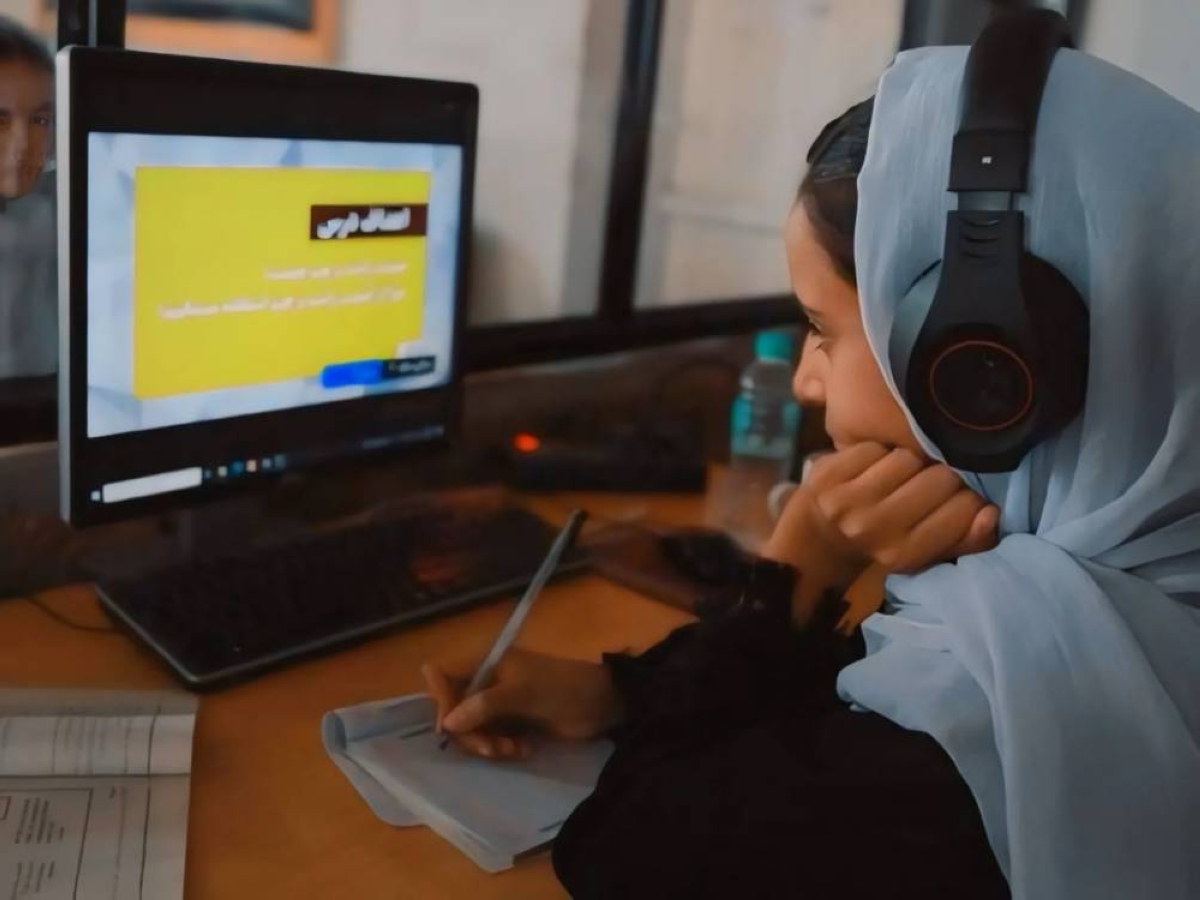
الإنترنت في أفغانستان


تابع قناة عكاظ على الواتساب
«عكاظ» (جدة) okaz_online@
The Taliban government has begun to gradually regulate internet services as part of extensive measures to restrict access to high-speed internet. The ban includes fiber optic services across the country and has cut off wireless internet ("Wi-Fi") in the city of Mazar-i-Sharif in Balkh province, northern Afghanistan.
Residents of Balkh province reported that the Taliban started regulating internet services a few days ago, while telecommunications companies stated that the decision was implemented on direct orders from the authorities in the province.
They indicated that the Taliban justified these measures by claiming to "prevent immorality and vice," noting that the group had previously requested a ban on applications like "TikTok" and "PUBG." However, the high cost of blocking these services, which amounts to about $100,000 per month, has prevented this.
Orders from the Taliban Leader
Local sources reported that home or office internet services have completely stopped, while mobile internet remains active but at limited speeds.
The spokesperson for the Balkh governor, Haji Zaid, stated that the decision was issued on direct orders from the Taliban leader, Mullah Hebatullah Akhundzada, explaining that the aim of the decision is to prevent vice, according to his claim.
He added that the government is currently seeking to find an internal alternative, while sources indicate that the decision to cut off wireless internet was made during a meeting between the Taliban governor in Balkh, Mohammad Yusuf Wafa, and telecommunications company officials, who were informed that the directive came directly from the Taliban leader and must be implemented immediately.
Concerns About Public Anger
Sources mentioned that several Taliban ministers intend to travel to Kandahar in the coming days to convince the movement's leader to reverse the decision to cut off internet access.
They noted that the ministers plan to inform Hebatullah Akhundzada about the dangers of cutting off the internet within the country, especially among the youth, and the concerns about provoking public anger, in addition to the disruption of government institutions and customs, and the halt of some economic projects.
Residents of Balkh province reported that the Taliban started regulating internet services a few days ago, while telecommunications companies stated that the decision was implemented on direct orders from the authorities in the province.
They indicated that the Taliban justified these measures by claiming to "prevent immorality and vice," noting that the group had previously requested a ban on applications like "TikTok" and "PUBG." However, the high cost of blocking these services, which amounts to about $100,000 per month, has prevented this.
Orders from the Taliban Leader
Local sources reported that home or office internet services have completely stopped, while mobile internet remains active but at limited speeds.
The spokesperson for the Balkh governor, Haji Zaid, stated that the decision was issued on direct orders from the Taliban leader, Mullah Hebatullah Akhundzada, explaining that the aim of the decision is to prevent vice, according to his claim.
He added that the government is currently seeking to find an internal alternative, while sources indicate that the decision to cut off wireless internet was made during a meeting between the Taliban governor in Balkh, Mohammad Yusuf Wafa, and telecommunications company officials, who were informed that the directive came directly from the Taliban leader and must be implemented immediately.
Concerns About Public Anger
Sources mentioned that several Taliban ministers intend to travel to Kandahar in the coming days to convince the movement's leader to reverse the decision to cut off internet access.
They noted that the ministers plan to inform Hebatullah Akhundzada about the dangers of cutting off the internet within the country, especially among the youth, and the concerns about provoking public anger, in addition to the disruption of government institutions and customs, and the halt of some economic projects.


