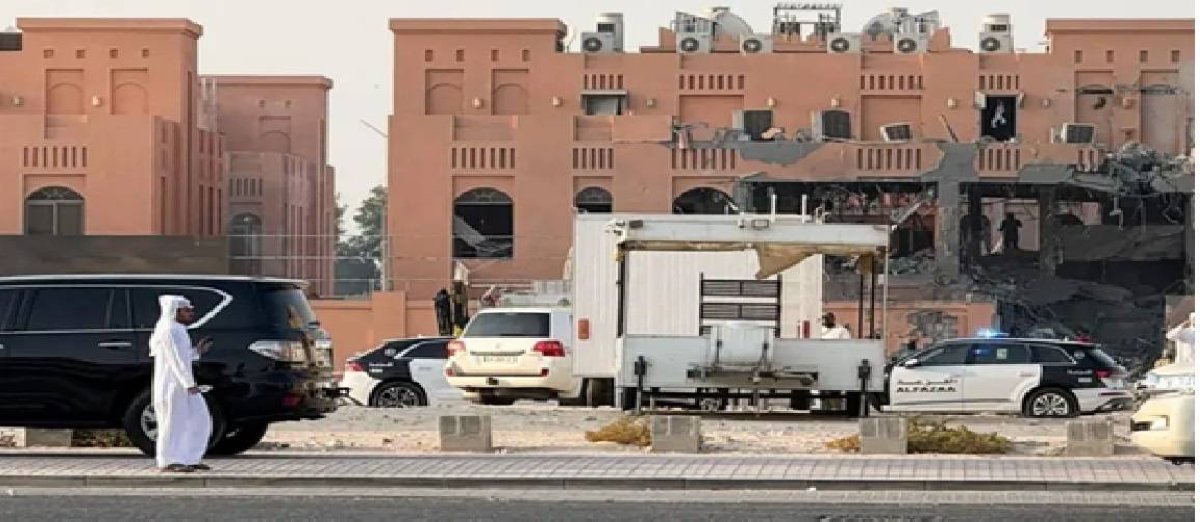
تحولت العاصمة القطرية الدوحة من مركز هادئ للوساطة الدبلوماسية إلى بؤرة لأزمة سياسية غير مسبوقة، بعدما نفذت إسرائيل هجوما عسكريا مباشرا على أراضيها. هذا الهجوم، الذي استهدف قادة من حركة حماس كانوا في طريقهم لجولة مفاوضات، لم يكن مجرد عملية عابرة، بل كان بمثابة إعلان واضح بأن إسرائيل لم تعد تحترم قواعد الاشتباك التقليدية، وأنها مستعدة للتصعيد على نطاق إقليمي أوسع.
في أعقاب هذا العدوان، اجتمعت القيادات الخليجية والعربية والإسلامية في الدوحة في قمتين طارئتين اليوم (الإثنين) بهدف بلورة موقف موحد وحازم. ومن خلال تحليل ما بين سطور البيانات الختامية، يمكن استخلاص نقاط رئيسية تعكس تحولا جذريا في الموقف العربي والإسلامي تجاه إسرائيل، وتهديدا صريحا لمستقبل العلاقات معها.
الموقف الخليجي: من الإدانة إلى التفعيل
كان البيان الختامي للقمة الخليجية الأكثر وضوحا وحسما. فبدلا من الاكتفاء بالإدانة اللفظية المعتادة، دعا القادة إلى تفعيل آليات الدفاع المشترك وقدرات الردع الخليجية. هذه النقطة ليست مجرد إجراء شكلي، بل هي رسالة واضحة بأن أمن دول المجلس كل لا يتجزأ، وأن الهجوم على قطر يُعتبر هجوما على كل دول الخليج.
تفعيل الدفاع المشترك
يشير هذا إلى تحول نوعي في التفكير الأمني الخليجي. فبعد سنوات من الاعتماد على التحالفات الأجنبية، يبدو أن دول الخليج أدركت أن أمنها المباشر يستدعي تعزيز قدراتها الذاتية المشتركة لمواجهة التهديدات. وهذا التوجه قد يؤدي إلى تعزيز التنسيق العسكري، وإعادة تقييم الإستراتيجيات الدفاعية، وربما اتخاذ خطوات غير مسبوقة لردع أي عدوان مستقبلي.
تهديد مباشر للعلاقات
يربط البيان الخليجي صراحة بين استمرار «السياسات العدوانية» الإسرائيلية و«تقويض جهود تحقيق السلام ومستقبل التفاهمات والاتفاقات القائمة». ويضع هذا الربط مصير اتفاقيات بعض الدول العربية (مثل اتفاقيات أبراهام) على المحك، ويشير إلى أن أي توسع في العلاقات مع إسرائيل قد يتوقف أو يتراجع في ظل هذا الانفلات. إنها رسالة مفادها أن السلام لا يمكن أن يبنى على سياسة استهداف سيادة الدول.
تضاؤل سقف التحمل العربي
عكست القمة العربية الإسلامية موقفا موحدا من الهجوم، إذ أكدت رفض التهديدات الإسرائيلية باستهداف أي دولة عربية أو إسلامية. ويعكس هذا الموقف إدراكا مشتركا بأن الهجوم على قطر لم يكن مجرد حادثة منعزلة، بل كان يهدف إلى تقويض جهود الوساطة الرامية لوقف العدوان على غزة.
استهداف الدبلوماسية
ويؤكد البيان أن إسرائيل لم تستهدف «حماس» فقط، وإنما كانت تستهدف الدور الدبلوماسي الذي تلعبه الدول العربية والإسلامية. لأن استهداف الوسطاء يهدد أي فرصة للتوصل إلى حل سلمي، ويجعل من الصعب على أي طرف عربي أن يثق في حسن نوايا إسرائيل خلال المفاوضات.
نقل الصراع إلى الخليج
يمثل الهجوم الإسرائيلي على قطر نقلا نوعيا للصراع. فبعد أن كان الصراع محصورا بشكل أساسي في الأراضي الفلسطينية، بات يهدد الآن استقرار المنطقة. ويفرض هذا التحول على الدول العربية والإسلامية اتخاذ موقف أكثر حزما من أي وقت مضى، لأن الخطر لم يعد مجرد قضية إنسانية، بل أصبح تهديدا وجوديا لأمنها القومي.
ويمكن القول إن الهجوم على الدوحة قلب الطاولة على جميع المعادلات الإقليمية. فبعد سنوات من الجهود الهادئة والوساطات السرية، باتت الدول العربية والإسلامية تواجه خيارا صعبا: إما أن تتحد لفرض موقف رادع تجاه إسرائيل، أو أن تقبل بأن أمنها لم يعد خارج مرمى الاستهداف. وعشية زيارة وزير الخارجية الأمريكي ماركو روبيو الدوحة بعد تل أبيب، يضع هذا الحدث المجتمع الدولي بأسره أمام اختبار حقيقي: هل سيتم ردع ولجم الانفلات الإسرائيلي لتوقف تل أبيب انتهاكاتها؟ أم سيتم السماح لها بجر المنطقة بأسرها إلى صراع أوسع وأكثر خطورة؟
The Qatari capital, Doha, has transformed from a quiet center for diplomatic mediation into a focal point of an unprecedented political crisis, following Israel's direct military attack on its territory. This attack, which targeted leaders from Hamas who were on their way to a round of negotiations, was not merely a transient operation but a clear declaration that Israel no longer respects traditional rules of engagement and is prepared to escalate on a broader regional scale.
In the aftermath of this aggression, Gulf, Arab, and Islamic leaders gathered in Doha for two emergency summits today (Monday) to formulate a unified and firm stance. By analyzing the statements made in the final communiqués, key points can be drawn that reflect a radical shift in the Arab and Islamic position towards Israel, along with an explicit threat to the future of relations with it.
The Gulf Position: From Condemnation to Activation
The final statement of the Gulf summit was the most explicit and decisive. Instead of merely issuing the usual verbal condemnation, the leaders called for the activation of joint defense mechanisms and Gulf deterrent capabilities. This point is not just a formal procedure but a clear message that the security of the member states is indivisible, and that an attack on Qatar is considered an attack on all Gulf countries.
Activating Joint Defense
This indicates a qualitative shift in Gulf security thinking. After years of relying on foreign alliances, it seems that Gulf states have realized that their immediate security necessitates strengthening their collective self-capabilities to confront threats. This trend may lead to enhanced military coordination, a reassessment of defensive strategies, and perhaps unprecedented steps to deter any future aggression.
A Direct Threat to Relations
The Gulf statement explicitly links the continuation of Israeli "aggressive policies" with "undermining efforts to achieve peace and the future of existing understandings and agreements." This linkage puts the fate of agreements with some Arab countries (such as the Abraham Accords) at stake and indicates that any expansion of relations with Israel may halt or regress in light of this escalation. It sends a message that peace cannot be built on a policy of targeting the sovereignty of states.
Declining Arab Tolerance Threshold
The Arab Islamic summit reflected a unified stance against the attack, affirming the rejection of Israeli threats to target any Arab or Islamic country. This position reflects a shared understanding that the attack on Qatar was not merely an isolated incident but aimed at undermining mediation efforts to stop the aggression on Gaza.
Targeting Diplomacy
The statement confirms that Israel did not only target "Hamas," but was also aiming at the diplomatic role played by Arab and Islamic countries. Targeting mediators threatens any chance of reaching a peaceful solution and makes it difficult for any Arab party to trust Israel's good intentions during negotiations.
Shifting the Conflict to the Gulf
The Israeli attack on Qatar represents a qualitative shift in the conflict. After being primarily confined to Palestinian territories, it now threatens the stability of the region. This transformation compels Arab and Islamic countries to take a firmer stance than ever before, as the danger is no longer just a humanitarian issue but has become an existential threat to their national security.
It can be said that the attack on Doha has overturned all regional equations. After years of quiet efforts and secret mediations, Arab and Islamic countries now face a difficult choice: either unite to impose a deterrent stance against Israel or accept that their security is no longer beyond the reach of targeting. On the eve of U.S. Secretary of State Marco Rubio's visit to Doha after Tel Aviv, this event places the entire international community before a real test: Will the Israeli escalation be deterred and curtailed to stop its violations? Or will it be allowed to drag the entire region into a wider and more dangerous conflict?