فيما عادت مظاهر الحياة إلى طبيعتها في البلاد بعد أن شهدت البلاد احتجاجات وأعمال عنف استمرت لأسبوع على خلفية حظر الحكومة لوسائل التواصل الإجتماعي، أعلن مكتب الرئيس النيبالي رام تشاندرا بودل، أمس (الجمعة)، حل البرلمان، ودعا إلى إجراء انتخابات جديدة في الخامس من مارس القادم.
رئيسة وزراء
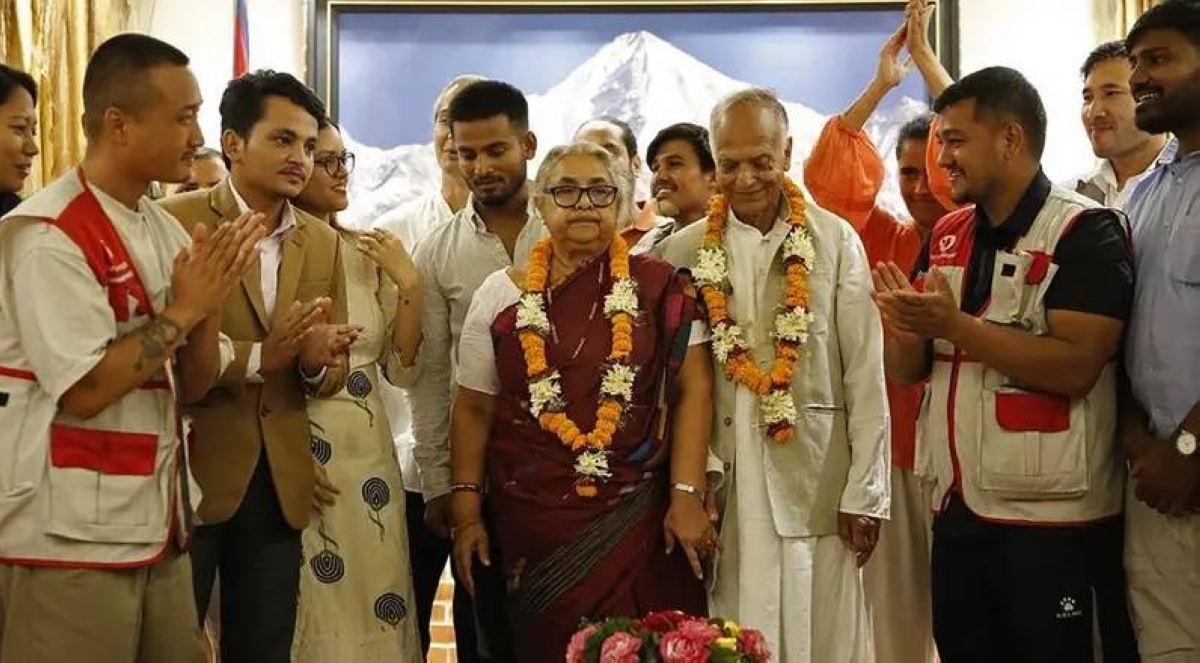
وعين الرئيس النيبالي رئيسة المحكمة العليا السابقة سوشيلا كاركي رئيسة للحكومة، وذلك بعد أن أجبرت الاحتجاجات رئيس الوزراء، كيه.بي شارما أولي، على الاستقالة.
وعُينت كاركي التي تعد أول امرأة تتولى منصب رئيس وزراء، بعد مفاوضات مكثفة بين بودل وقائد الجيش أشوك راج سيجديل وقادة الاحتجاج وسط أسوأ اضطرابات في نيبال منذ سنوات، والتي قتل فيها 51 شخصاً على الأقل وأكثر من 1300 مصاب.
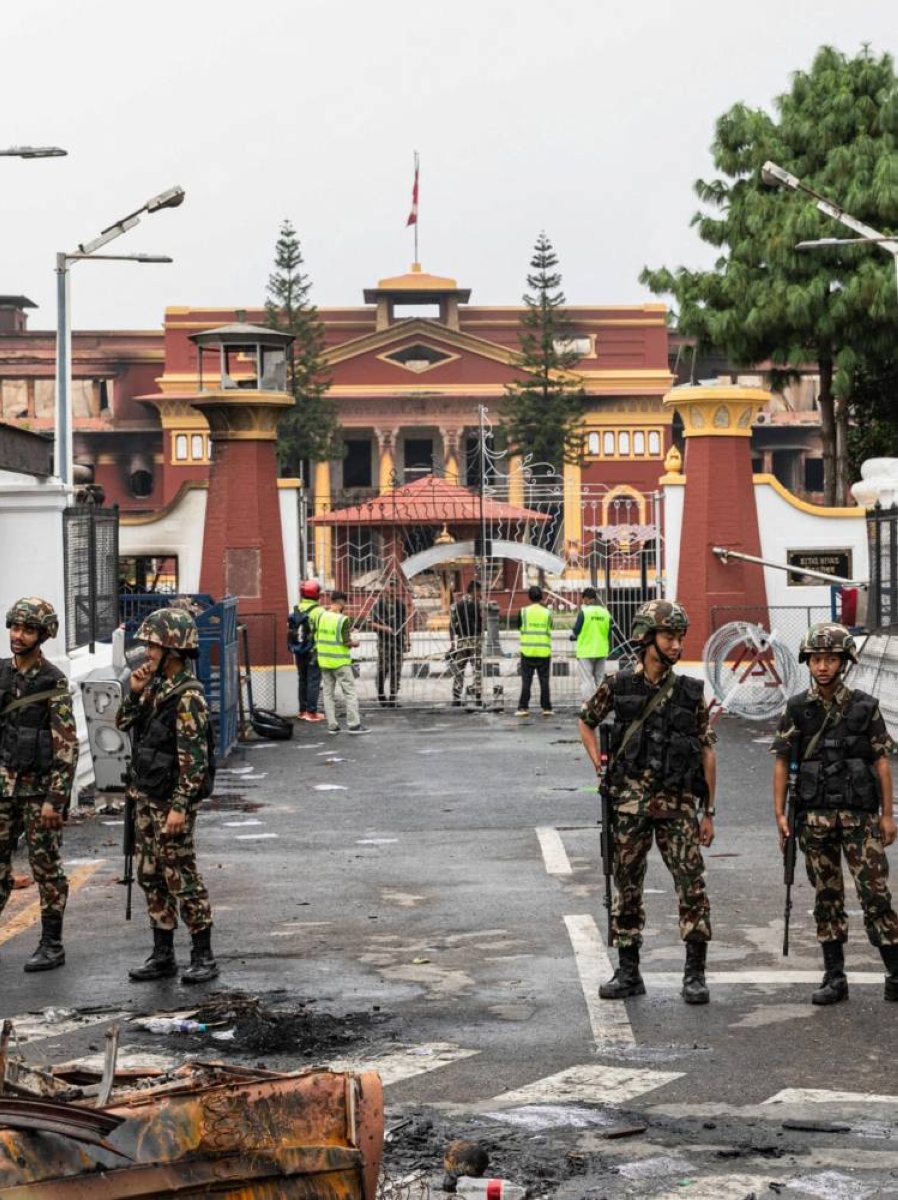
وتصاعدت الاحتجاجات في نيبال، الثلاثاء، حيث أضرم المتظاهرون النار في منازل عدد من كبار المسؤولين وفي مقر البرلمان، فيما تم إغلاق مطار العاصمة كاتماندو، وذلك بسبب حظر وسائل التواصل الاجتماعي والذي رفعته الدولة لاحقاً، لكن أعمال العنف لم تهدأ إلا بعد استقالة رئيس الوزراء (الثلاثاء) الماضي.
عودة الحياة لطبيعتها
وعادت مظاهر الحياة الطبيعية مع إعادة فتح المتاجر واستئناف حركة السيارات، وبدأت الشرطة تحمل الهراوات بدلاً من البنادق التي كانت تتسلح بها في الأسبوع الماضي.
وتعاني نيبال من عدم الاستقرار السياسي والاقتصادي منذ إلغاء نظامها الملكي في عام 2008، بينما يدفع نقص الوظائف ملايين الشبان إلى البحث عن فرص عمل في بلدان أخرى مثل دول الشرق الأوسط وكوريا الجنوبية وماليزيا، إذ يبلغ عدد سكانها 30 مليون نسمة وتقع بين الصين والهند.
Life has returned to normal in the country after it witnessed protests and violence that lasted for a week following the government's ban on social media. The office of Nepalese President Ram Chandra Poudel announced yesterday (Friday) the dissolution of parliament and called for new elections on March 5th.
Prime Minister
The Nepalese president appointed former Chief Justice Sushila Karki as the head of government, after protests forced Prime Minister K.P. Sharma Oli to resign.
Karki, who is the first woman to hold the position of Prime Minister, was appointed after intensive negotiations between Poudel, Army Chief Ashok Raj Sigdel, and protest leaders amid the worst unrest in Nepal in years, which resulted in at least 51 deaths and over 1,300 injuries.
Protests escalated in Nepal on Tuesday, as demonstrators set fire to the homes of several senior officials and the parliament building, while the capital's Kathmandu airport was closed due to the social media ban, which the state later lifted. However, the violence did not subside until the Prime Minister's resignation last Tuesday.
Return to Normalcy
Signs of normal life returned with the reopening of shops and the resumption of traffic, and the police began carrying batons instead of the rifles they were armed with last week.
Nepal has been suffering from political and economic instability since the abolition of its monarchy in 2008, while a lack of jobs drives millions of young people to seek employment opportunities in other countries such as those in the Middle East, South Korea, and Malaysia, with a population of 30 million located between China and India.