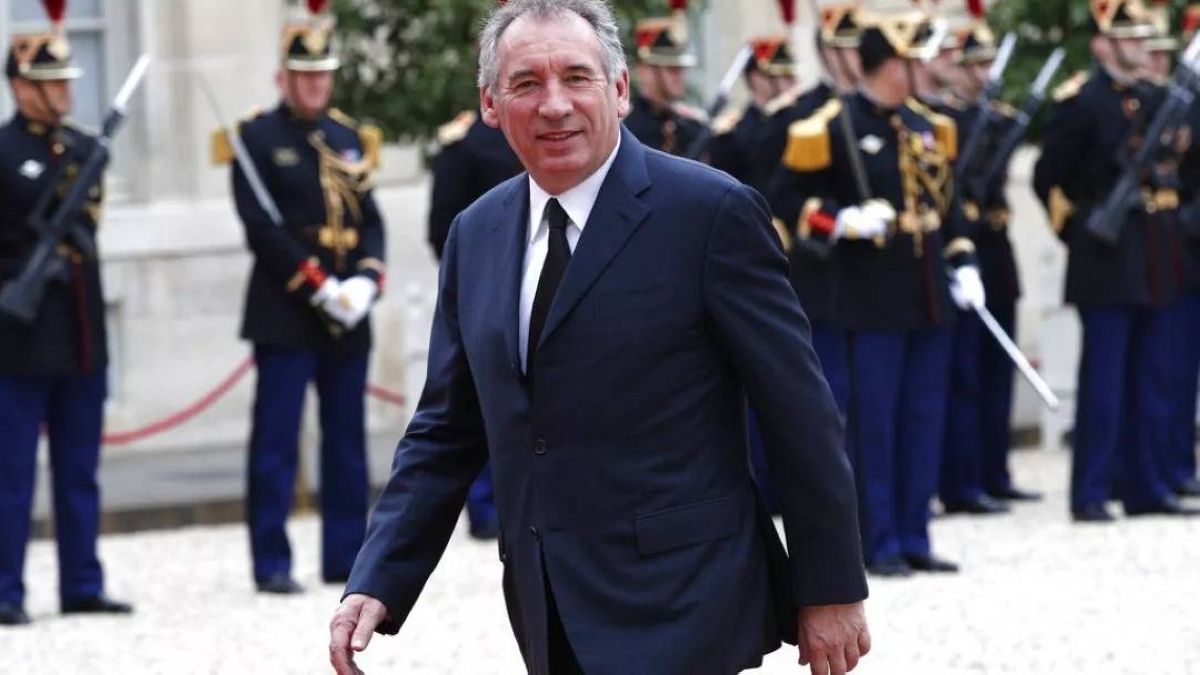
صوّت البرلمان الفرنسي، اليوم (الإثنين)، بإسقاط حكومة رئيس الوزراء فرانسوا بايرو بأغلبية ساحقة بلغت 364 صوتا ضد 194، بسبب رفض النواب خططه لكبح جماح الدين العام المتضخم، ما فاقم الأزمة السياسية في فرنسا وألقى بالعبء على الرئيس إيمانويل ماكرون لاختيار خامس رئيس وزراء في أقل من عامين.
مخاوف من شلل اقتصادي
وأكد قصر الإليزيه أن ماكرون سيعين رئيسا للوزراء جديدا في الأيام القادمة، وسط مخاوف من تعميق الشلل الاقتصادي والسياسي في الدولة الأوروبية الثانية اقتصاديا، إذ سيقدم بايرو استقالته رسميا إلى ماكرون صباح غد (الثلاثاء)، وسيستمر في منصبه كحارس مؤقت حتى تعيين الخليفة.
وكان بايرو، الذي تولى المنصب في ديسمبر 2024 بعد سقوط حكومة ميشيل بارنييه بعد ثلاثة أشهر فقط، قد دافع عن خطة توفير 44 مليار يورو في ميزانية 2026، تشمل إلغاء عطلتين عامتين وتجميد الإنفاق الحكومي، لمواجهة عجز يبلغ 5.8% من الناتج المحلي الإجمالي ودين عام يصل إلى 114% من الناتج.
هزيمة متوقعة
وأطلق بايرو التصويت بالثقة بنفسه كمخاطرة لفرض الإصلاحات، لكن المعارضة من اليسار المتطرف (مثل تحالف الجبهة الشعبية الجديدة) واليمين المتطرف (التجمع الوطني لمارين لوبان) والسوشياليست والخضر أدت إلى هزيمته المتوقعة.
وقال بايرو في خطابه الأخير قبل التصويت: «لديكم القدرة على إسقاط الحكومة، لكنكم لا تستطيعون محو الواقع»، مشيرا إلى أن الدين «يهدد الحياة» لفرنسا.
الإليزيه يبحث عن رئيس حكومة جديد
ووفقا لبيان قصر الإليزيه، سيختار ماكرون الجديد «في غضون أيام»، مع ترشيحات محتملة تشمل وزير الدفاع سيباستيان ليكورنو ووزير العدل جيرالد دارمانين، أو ربما شخصية من اليسار المعتدل لكسب دعم إضافي، أما المعارضة، فقد دعت لوبان إلى حل البرلمان وانتخابات جديدة، بينما طالب جان لوك ميلانشون، زعيم اليسار الراديكالي، باستقالة ماكرون نفسه قبل انتهاء ولايته في 2027.
ومع اقتراب احتجاجات «حظر كل شيء» في 10 سبتمبر ضد الإصلاحات، يُتوقع تصعيد التوترات الاجتماعية، وسط ارتفاع تكاليف الاقتراض الفرنسية ومخاوف من أزمة مالية تشبه اليونانية، وأثار الحدث ردود فعل دولية، إذ حذرت ألمانيا وهولندا من تأثير الشلل الفرنسي على الاتحاد الأوروبي، بينما أعرب الاقتصاديون عن قلقهم من تأخير ميزانية 2026، ما قد يؤدي إلى تمديد ميزانية 2025 مؤقتا.
جذور الأزمة السياسية في فرنسا
تعود جذور الأزمة السياسية في فرنسا إلى قرار الرئيس إيمانويل ماكرون الدرامي بإجراء انتخابات برلمانية مبكرة في يونيو 2024، بعد هزيمة حزبه في الانتخابات الأوروبية أمام اليمين المتطرف، وأدى ذلك إلى برلمان معلق، مقسم إلى ثلاثة كتل رئيسية: اليسار (التحالف الشعبي الجديد بـ180 مقعدا)، الوسط (حزب الرئيس بـ170)، واليمين المتطرف (التجمع الوطني بـ138)، دون أي كتلة تحظى بأغلبية مطلقة (289 مقعدا).
هذا الشلل جعل تمرير الميزانيات والإصلاحات صعبا، ما أدى إلى سقوط حكومتين سابقتين؛ إليزابيث بورن في يناير 2024، ثم ميشيل بارنييه في ديسمبر 2024 بعد ثلاثة أشهر، وفرنسوا بايرو في سبتمبر 2025 بعد تسعة أشهر.
The French Parliament voted today (Monday) to dismiss Prime Minister François Bayrou's government with a crushing majority of 364 votes against 194, due to the deputies' rejection of his plans to rein in the soaring public debt, exacerbating the political crisis in France and placing the burden on President Emmanuel Macron to choose a fifth Prime Minister in less than two years.
Concerns of Economic Paralysis
The Élysée Palace confirmed that Macron will appoint a new Prime Minister in the coming days, amid fears of deepening economic and political paralysis in the second-largest economy in Europe. Bayrou will officially submit his resignation to Macron tomorrow morning (Tuesday) and will continue in his position as a caretaker until a successor is appointed.
Bayrou, who took office in December 2024 after the fall of Michel Barnier's government just three months earlier, defended a plan to save €44 billion in the 2026 budget, which includes canceling two public holidays and freezing government spending, to address a deficit of 5.8% of GDP and a public debt reaching 114% of output.
Expected Defeat
Bayrou initiated the confidence vote himself as a risk to impose reforms, but opposition from the far-left (such as the New Popular Front alliance) and the far-right (Marine Le Pen's National Rally) as well as socialists and greens led to his expected defeat.
In his final speech before the vote, Bayrou stated: “You have the power to bring down the government, but you cannot erase reality,” referring to the debt that “threatens life” in France.
The Élysée Seeks a New Prime Minister
According to a statement from the Élysée Palace, Macron will choose the new Prime Minister “within days,” with potential candidates including Defense Minister Sébastien Lecornu and Justice Minister Gérald Darmanin, or perhaps a figure from the moderate left to gain additional support. Meanwhile, the opposition has called for Le Pen to dissolve Parliament and hold new elections, while Jean-Luc Mélenchon, the leader of the radical left, demanded Macron's resignation before the end of his term in 2027.
As protests against the “ban everything” reforms are expected on September 10, tensions are anticipated to escalate, amid rising French borrowing costs and fears of a financial crisis similar to Greece's. The event has sparked international reactions, with Germany and the Netherlands warning of the impact of French paralysis on the European Union, while economists expressed concern over the delay of the 2026 budget, which could lead to a temporary extension of the 2025 budget.
Roots of the Political Crisis in France
The roots of the political crisis in France trace back to President Emmanuel Macron's dramatic decision to hold early parliamentary elections in June 2024, following his party's defeat in the European elections against the far-right. This resulted in a hung parliament, divided into three main blocs: the left (the New Popular Alliance with 180 seats), the center (the President's party with 170), and the far-right (the National Rally with 138), with no bloc holding an absolute majority (289 seats).
This paralysis made passing budgets and reforms difficult, leading to the fall of two previous governments; Élisabeth Borne in January 2024, then Michel Barnier in December 2024 after three months, and François Bayrou in September 2025 after nine months.