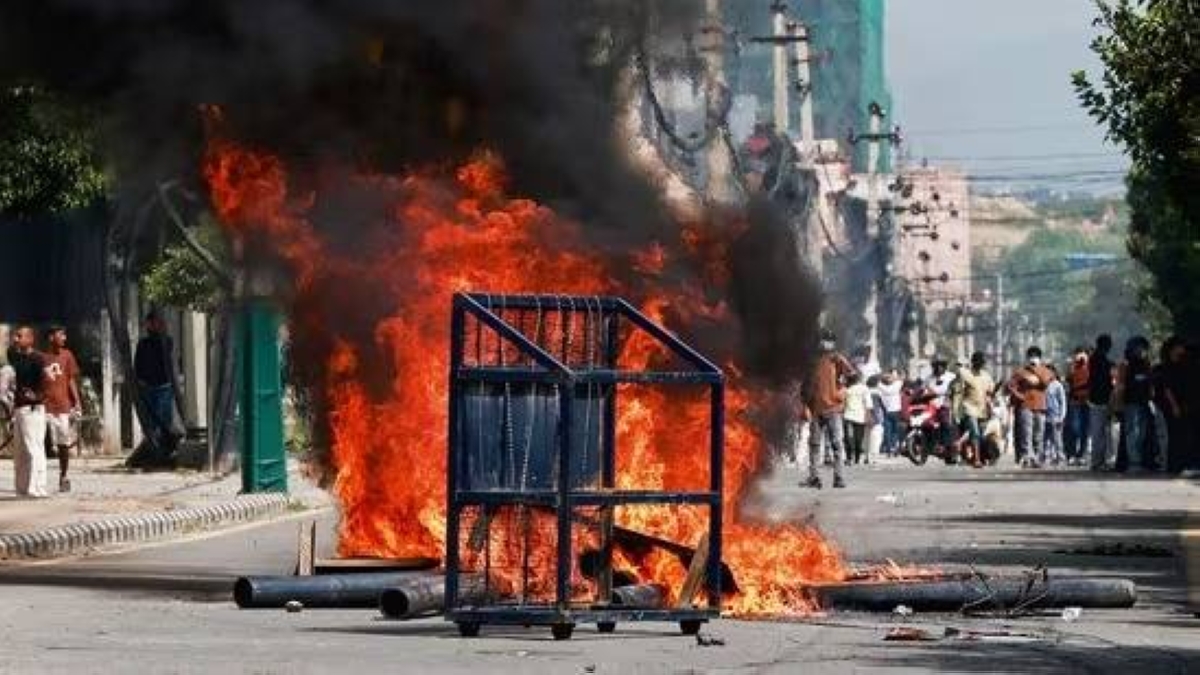
اندلعت مظاهرات ضخمة قادها شباب من «جيل Z» في العاصمة النيبالية كاتماندو، اليوم (الإثنين)، احتجاجاً على قرار الحكومة بحظر منصات التواصل الاجتماعي الرئيسية، بما في ذلك فيسبوك، إكس (تويتر سابقاً)، ويوتيوب، إضافة إلى اتهامات بالفساد الحكومي.
وبحسب تقارير محلية هندية بما في ذلك موقع «تايمز أوف إنديا» تحولت الاحتجاجات، التي أُطلق عليها اسم «ثورة جيل Z»، إلى أعمال عنف بعد أن اقتحم المتظاهرون الحواجز الأمنية وحاولوا دخول مبنى البرلمان في منطقة نيو بانيشور، مما دفع السلطات إلى فرض حظر تجوال ونشر الجيش النيبالي للسيطرة على الوضع.
اشتباكات بين قوات نيبال وجيل Z
ووفقاً لتقارير إعلامية، استخدمت قوات الأمن الغاز المسيل للدموع والرصاص المطاطي ومدافع المياه لتفريق المتظاهرين، الذين كان العديد منهم طلاباً يرتدون زيهم المدرسي ويحملون الأعلام الوطنية ولافتات تنتقد الحكومة.
مقتل 9 وفرض حظر تجوال
وأفادت وسائل إعلام محلية، مثل «هيمالايان تايمز»، بمقتل ما لا يقل عن تسعة أشخاص وإصابة العشرات في الاشتباكات، مع نقل المصابين إلى مستشفيات مثل إيفرست وسيفيل في كاتماندو.
وأقامت السلطات حظر تجوال حتى الساعة 10:00 مساءً بالتوقيت المحلي (16:15 بتوقيت غرينتش) في محاولة لاستعادة الهدوء.
نيبال تحظر 26 منصة تواصل اجتماعي
بدأت الأزمة يوم الخميس 4 سبتمبر 2025، عندما أعلنت الحكومة النيبالية حظر 26 منصة تواصل اجتماعي لعدم تسجيلها لدى وزارة الاتصالات وتكنولوجيا المعلومات، وفقاً لتوجيه تنظيم استخدام وسائل التواصل الاجتماعي.
تضمنت المنصات المحظورة فيسبوك، إنستغرام، واتساب، ولينكدإن، بينما بقيت منصات مثل تيك توك وفايبر نشطة.
ودافع رئيس الوزراء كي بي شارما أولي عن القرار، مشيراً إلى أنه يهدف إلى حماية الكرامة الوطنية ومطالبة المنصات بالتسجيل ودفع الضرائب.
ومع ذلك، أثار القرار غضب الشباب، الذين رأوا فيه محاولة لقمع حرية التعبير وإخفاء الفساد الحكومي.
Massive protests led by youth from "Generation Z" erupted in the Nepalese capital Kathmandu today (Monday), in response to the government's decision to ban major social media platforms, including Facebook, X (formerly Twitter), and YouTube, along with allegations of government corruption.
According to local Indian reports, including the "Times of India" website, the protests, dubbed the "Generation Z Revolution," turned violent after demonstrators breached security barriers and attempted to enter the parliament building in the New Baneshwor area, prompting authorities to impose a curfew and deploy the Nepalese army to control the situation.
Clashes between Nepalese forces and Generation Z
According to media reports, security forces used tear gas, rubber bullets, and water cannons to disperse the protesters, many of whom were students wearing their school uniforms and carrying national flags and signs criticizing the government.
9 dead and curfew imposed
Local media, such as the "Himalayan Times," reported that at least nine people were killed and dozens injured in the clashes, with the injured being taken to hospitals like Everest and Civil in Kathmandu.
Authorities imposed a curfew until 10:00 PM local time (16:15 GMT) in an attempt to restore calm.
Nepal bans 26 social media platforms
The crisis began on Thursday, September 4, 2025, when the Nepalese government announced a ban on 26 social media platforms for failing to register with the Ministry of Communications and Information Technology, according to directives regulating the use of social media.
The banned platforms included Facebook, Instagram, WhatsApp, and LinkedIn, while platforms like TikTok and Viber remained active.
Prime Minister KP Sharma Oli defended the decision, stating that it aims to protect national dignity and requires platforms to register and pay taxes.
However, the decision sparked outrage among the youth, who viewed it as an attempt to suppress freedom of expression and conceal government corruption.