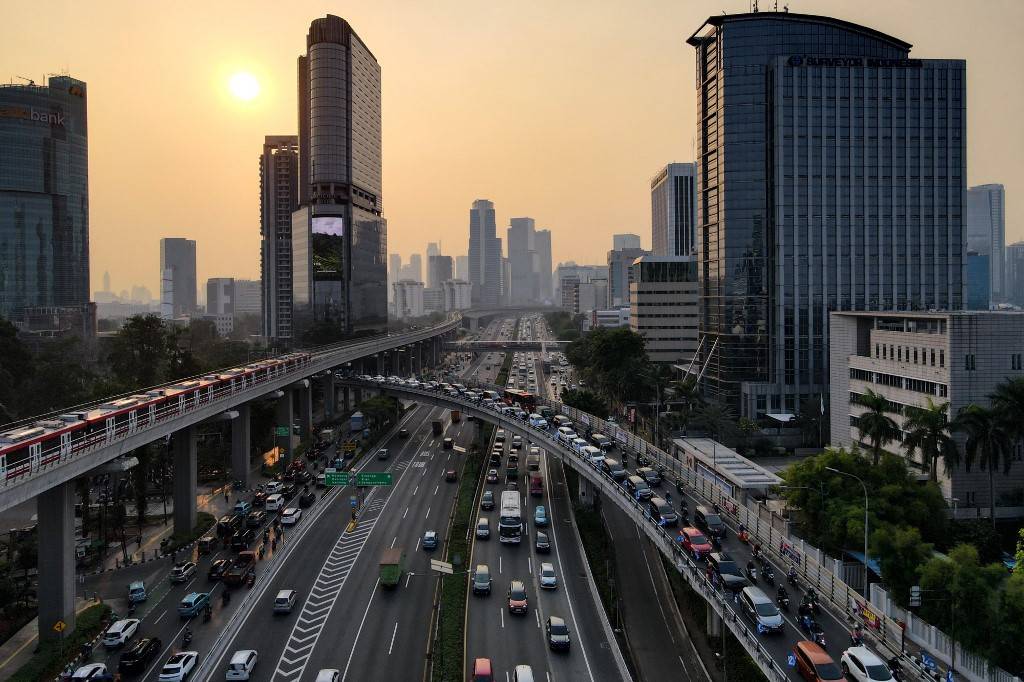
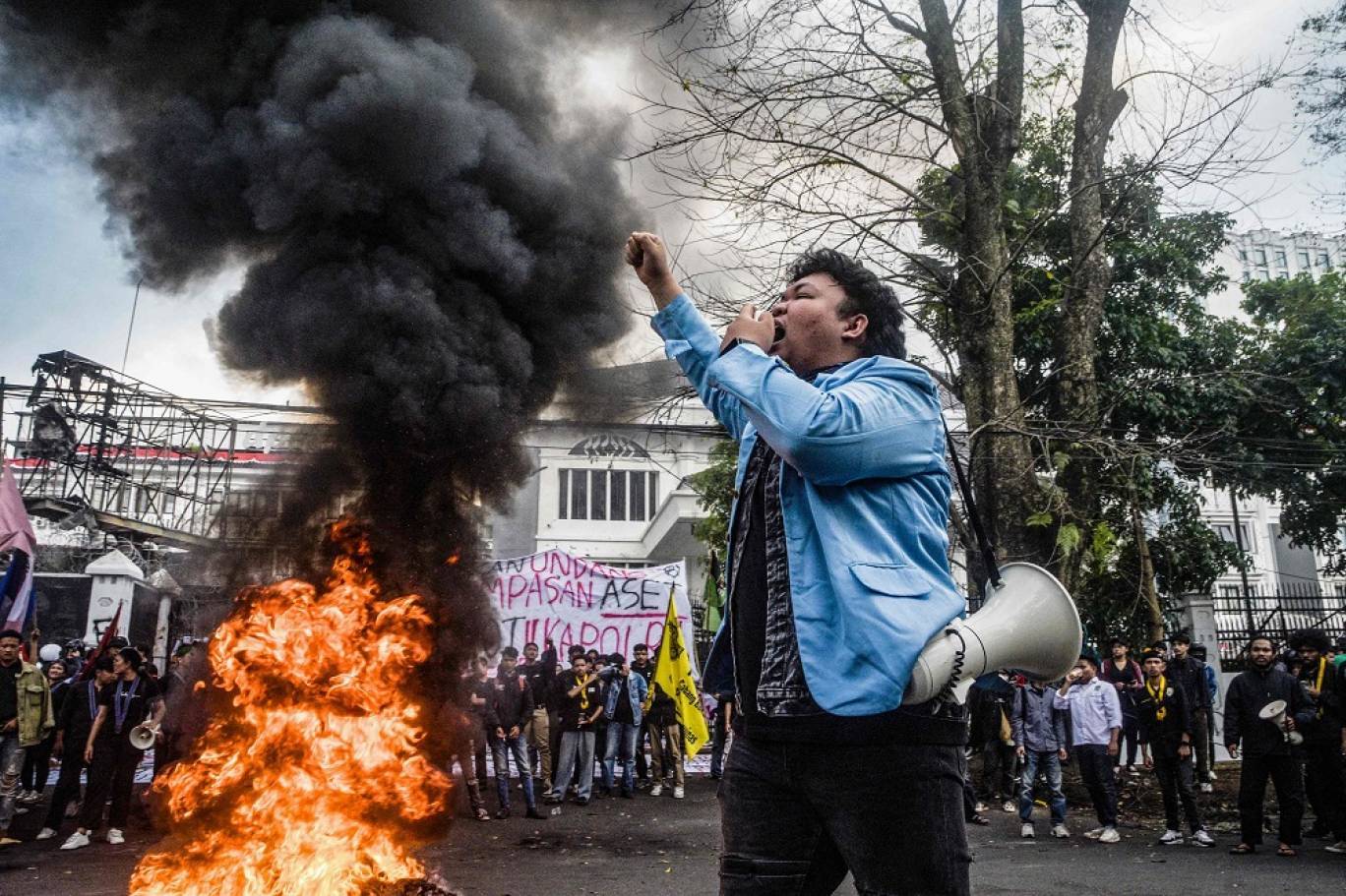
شهدت شوارع العاصمة الإندونيسية جاكرتا هدوءًا نسبيًا بعد أكثر من أسبوع من الاحتجاجات التي تحولت أحيانًا إلى عنف، وذلك مع احتفال البلاد بعطلة ذكرى المولد النبوي. وخرجت مجموعات من الطلاب والعمال ومنظمات حقوقية للتظاهر ضد بدلات إسكان أعضاء البرلمان، وانتشرت أعمال الشغب لاحقًا في أنحاء البلاد بعد وفاة سائق دراجة نارية اصطدمت به مركبة شرطة خلال أحد التجمعات.
لقاءات مع المسؤولين ومحاولات الضغط على الرئيس
اجتمعت مجموعات الطلاب يوم الخميس مع وزراء الحكومة لعرض شكواهم بشأن امتيازات النواب وأساليب الشرطة تجاه المتظاهرين. كما التقى ممثلو الطلاب بعدد من النواب في وقت سابق من الأسبوع، لكن لم يتمكنوا حتى الآن من الحصول على لقاء مع الرئيس برابوو سوبريانتو.
حجم الخسائر والإصابات خلال الاحتجاجات
أكدت جماعات حقوقية أن 10 أشخاص لقوا حتفهم وأكثر من ألف أصيبوا خلال الاشتباكات مع قوات الأمن واضطرابات أخرى. واعتقلت السلطات أكثر من ثلاثة آلاف شخص في حملة قمع واسعة على مستوى البلاد، وفقًا لما ذكرت منظمة هيومن رايتس ووتش التي تتخذ من نيويورك مقرًا لها.
إجراءات أمنية مشددة وحياة شبه طبيعية
ونشرت الشرطة نقاط تفتيش في جميع أنحاء العاصمة، بينما نفذت قوات الأمن والجيش دوريات واسعة النطاق، مع نشر قناصة في مواقع رئيسية. وبسبب الإجراءات الأمنية، كانت الشوارع أقل ازدحامًا من المعتاد. كما استمرت المدارس والجامعات في جاكرتا بالتعليم عن بعد حتى يوم الثلاثاء على الأقل، وطُلب من موظفي الحكومة العمل من منازلهم.
أضرار المرافق ومنازل المسؤولين
أسفرت الاحتجاجات عن أضرار مادية ملحوظة، حيث نُهِب منزل وزير المالية، وتعرضت منازل عدد من النواب للسطو، في حين أُلغيت جزئيًا زيارة الرئيس برابوو للصين نتيجة الأزمة، لكنه شارك لاحقًا في عرض عسكري لإحياء ذكرى نهاية الحرب العالمية الثانية.
التحدي السياسي والأمني في إندونيسيا
وتشير هذه الأحداث إلى تصاعد التوتر بين الحكومة والمواطنين، خصوصًا الطلاب والعمال، وسط مطالبهم بمحاسبة النواب على الامتيازات المبالغ فيها وتحسين تعامل الشرطة مع الاحتجاجات، في وقت تواجه فيه البلاد تحديات أمنية وسياسية متشابكة.
The streets of Indonesia's capital, Jakarta, experienced relative calm after more than a week of protests that sometimes turned violent, coinciding with the country's celebration of the Prophet Muhammad's birthday. Groups of students, workers, and human rights organizations took to the streets to protest against the housing allowances for parliament members, and riots later spread across the country following the death of a motorcyclist who was hit by a police vehicle during one of the gatherings.
Meetings with Officials and Attempts to Pressure the President
Student groups met with government ministers on Thursday to present their grievances regarding the privileges of lawmakers and the police's treatment of protesters. Student representatives also met with several lawmakers earlier in the week, but they have not yet been able to secure a meeting with President Prabowo Subianto.
Extent of Casualties and Injuries During Protests
Human rights groups confirmed that 10 people lost their lives and over a thousand were injured during clashes with security forces and other disturbances. Authorities arrested more than three thousand individuals in a nationwide crackdown, according to the New York-based organization Human Rights Watch.
Heightened Security Measures and Near-Normal Life
The police set up checkpoints throughout the capital, while security and military forces conducted extensive patrols, with snipers deployed at key locations. Due to the security measures, the streets were less crowded than usual. Schools and universities in Jakarta continued remote learning at least until Tuesday, and government employees were asked to work from home.
Damage to Facilities and Officials' Homes
The protests resulted in significant material damage, with the finance minister's house being looted and several lawmakers' homes being burglarized. President Prabowo's visit to China was partially canceled due to the crisis, but he later participated in a military parade to commemorate the end of World War II.
The Political and Security Challenge in Indonesia
These events indicate a rise in tension between the government and citizens, particularly students and workers, amid their demands for accountability from lawmakers regarding excessive privileges and improved police handling of protests, at a time when the country faces intertwined security and political challenges.