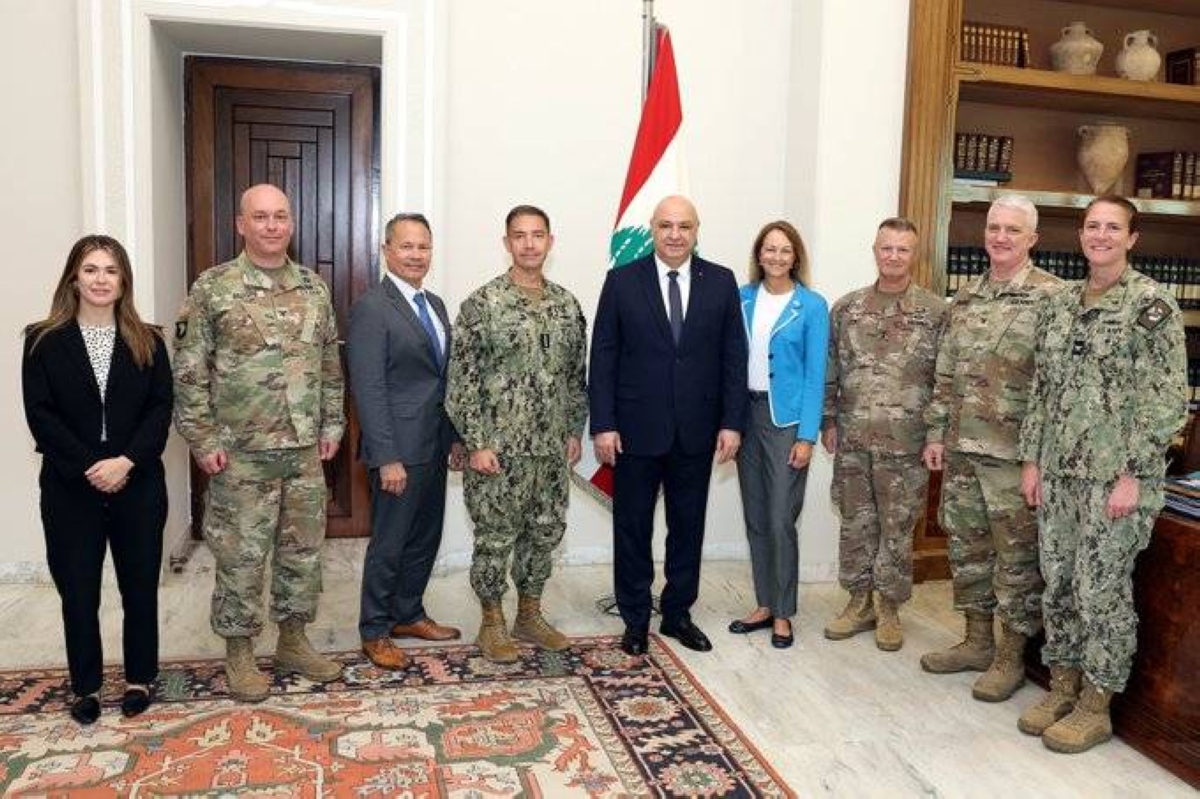
دعا الرئيس اللبناني العماد جوزيف عون الولايات المتحدة إلى الضغط على إسرائيل للانسحاب من الأراضي التي تحتلها في الجنوب، ليتمكن الجيش اللبناني من استكمال انتشاره حتى الحدود الدولية.
وطلب من قائد المنطقة الوسطى في الجيش الأمريكي الأميرال براد كوبر خلال استقباله له اليوم (السبت)، في قصر بعبدا، تفعيل عمل لجنة الإشراف على وقف الأعمال العدائية (MECHANISM) لتأمين تنفيذ ما تم الاتفاق عليه في شهر نوفمبر الماضي، لجهة وقف الاعتداءات الإسرائيلية على لبنان، والانسحاب من التلال والأراضي التي تحتلها، وإعادة الأسرى بحيث يتم تطبيق القرار 1701 بكافة مندرجاته، خصوصاً أن هذه الخطوات تساعد في تنفيذ القرار الذي اتخذته الحكومة اللبنانية لجهة حصرية السلاح في أيدي القوات المسلحة اللبنانية، لاسيما وأن مجلس الوزراء رحب بالأمس بالخطة العسكرية التي وضعتها قيادة الجيش لهذه الغاية.
عرقلة إسرائيلية
ولفت الرئيس عون إلى أن استمرار الاعتداءات الإسرائيلية على الجنوب، من شأنه أن يعرقل استكمال انتشار الجيش اللبناني حتى الحدود، بعدما أنجز الجيش التمركز في أكثر من 85 في المئة من المنطقة الواقعة جنوب الليطاني، ويواصل عمله في منع المظاهر المسلحة ومصادرة الأسلحة والذخائر في ظروف جغرافية وعملانية صعبة، ما أدى حتى الآن إلى مقتل 12 ضابطاً وعسكرياً خلال نقل الذخائر أو تفكيك الألغام وغيرها... كذلك، بدأ الجيش في تسلّم السلاح الفلسطيني من عدد من المخيمات الفلسطينية بموجب الاتفاق الذي تم خلال زيارة الرئيس الفلسطيني محمود عباس إلى لبنان.
دعم الجيش
وأكد الرئيس عون للأميرال كوبر أهمية استمرار الولايات المتحدة الأمريكية في دعم الجيش اللبناني وتوفير التجهيزات والآليات اللازمة له، لتمكينه من القيام بالمهمات الموكلة إليه على طول الأراضي اللبنانية، سواءً في حفظ الأمن أو منع التهريب والأعمال الإرهابية، وضبط الحدود اللبنانية- السورية وغيرها من المهمات التي يقوم بها العسكريون الذين يعملون في ظروف اقتصادية صعبة.
من جانبه، أشاد قائد المنطقة الوسطى في الجيش الأمريكي براد كوبر بالعمل المميز الذي يقوم به الجيش اللبناني، مؤكداً استمرار المساعدات له، مع الإعلان أن لجنة الإشراف على تنفيذ اتفاق نوفمبر ستجتمع غداً (الأحد) لبحث الوضع في الجنوب.
The Lebanese President, General Joseph Aoun, called on the United States to pressure Israel to withdraw from the territories it occupies in the south, so that the Lebanese army can complete its deployment to the international borders.
He requested from the Commander of the U.S. Central Command, Admiral Brad Cooper, during his reception today (Saturday) at the Baabda Palace, to activate the work of the Mechanism for Monitoring the Cessation of Hostilities (MECHANISM) to ensure the implementation of what was agreed upon last November, regarding the cessation of Israeli attacks on Lebanon, the withdrawal from the hills and territories it occupies, and the release of prisoners, so that Resolution 1701 can be fully implemented, especially since these steps help in executing the decision taken by the Lebanese government regarding the exclusivity of arms in the hands of the Lebanese armed forces, particularly as the Cabinet welcomed yesterday the military plan prepared by the army leadership for this purpose.
Israeli Obstruction
President Aoun pointed out that the continuation of Israeli attacks on the south could obstruct the completion of the Lebanese army's deployment to the borders, after the army has established itself in more than 85 percent of the area south of the Litani River, and continues its work to prevent armed manifestations and confiscate weapons and ammunition under difficult geographical and operational conditions, which has so far resulted in the deaths of 12 officers and soldiers during the transport of ammunition or the dismantling of mines, among other tasks... Additionally, the army has begun to receive Palestinian weapons from several Palestinian camps under the agreement reached during Palestinian President Mahmoud Abbas's visit to Lebanon.
Support for the Army
President Aoun emphasized to Admiral Cooper the importance of the United States continuing to support the Lebanese army and providing it with the necessary equipment and vehicles, to enable it to carry out its assigned missions across Lebanese territory, whether in maintaining security or preventing smuggling and terrorist activities, and controlling the Lebanese-Syrian borders, among other tasks carried out by military personnel who work under difficult economic conditions.
For his part, U.S. Central Command Commander Brad Cooper praised the distinguished work being done by the Lebanese army, affirming continued assistance to it, while announcing that the committee overseeing the implementation of the November agreement will meet tomorrow (Sunday) to discuss the situation in the south.