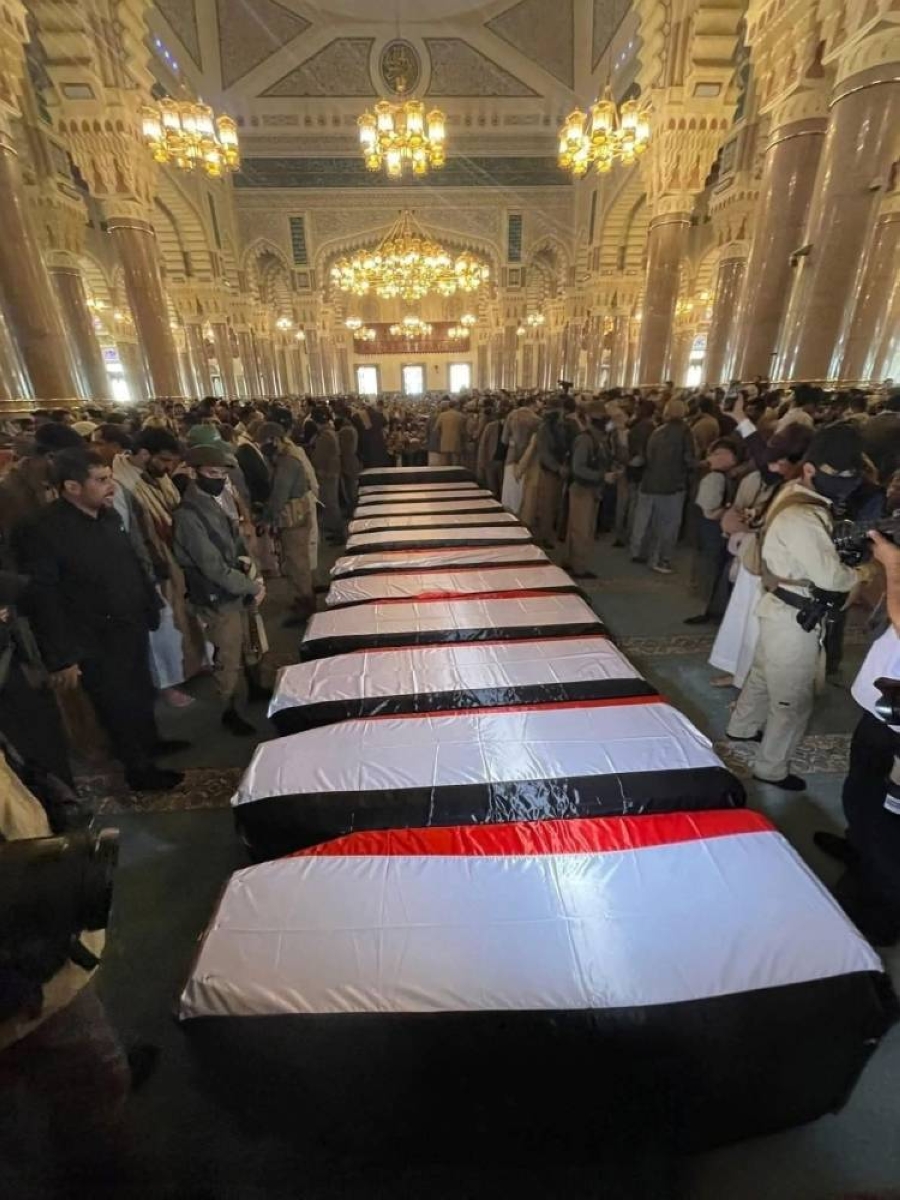
رغم مساعي الحوثي لمنع قياداته من استخدام وسائل الاتصال النقالة كالجوال وغيره، إلا أن إسرائيل تمكّنت من اختراق منظومة الجماعة، ونفذت مجزرة كبيرة بحق قيادات الصف الثاني، وصفّت رئيس حكومة الانقلاب وتسعة وزراء وعدداً من القيادات الأمنية والعسكرية في ضربة جوية الأسبوع الماضي استهدفت منزلاً في صنعاء.
الهجوم الإسرائيلي والتأكيدات التي تبعته من قبل الإعلام العبري بأن الضربة مختلفة وذات أهمية واستهدفت قيادات كبيرة، بالمقابل إصدار الحوثي بيانات متعجلة تنفي وقوع أي ضحايا في صفوف جماعته والتعتيم على الحادثة وأخيراً الإقرار بما حدث، يؤكد وجود اختراق كبير أقر به زعيم الجماعة عبدالملك الحوثي في خطابه الأخير، ليس على مستوى قيادات الصف الثاني بل الوصول إلى قيادات الصف الأول والمنظومة الأمنية الحوثية بكاملها، خصوصاً بعد أنباء عن إصابة رئيس جهاز الاستخبارات والقائد العسكري للجماعة أبو علي الحاكم في القصف.
ويُعزز ذلك ما كان قد كشفه عضو المجلس السياسي الحوثي سلطان السامعي قبل أسبوعين من الهجوم الذي استهدف ثلاثة منازل في صنعاء، حين أكد أن جماعته مخترقة بشكل كامل.
ويأتي هذا التحول في سياق سلسلة من الهجمات التي نفذتها إسرائيل وأمريكا في الشهور الماضية على مناطق الحوثي؛ ففي ظل غياب المعلومات الكافية كانت غالبية الهجمات إما تستهدف مؤسسات خدمية كالكهرباء أو الموانئ أو مصانع الإسمنت، ولم تستهدف أياً من قياديي حوثي، غير أن التحول الحاصل في الأسبوع الماضي باستهداف معسكر سري للحوثي (شمالي صنعاء) مطلع الأسبوع، تلاه استهداف اجتماع لحكومة الحوثي في منزل بمدينة حدة وسط العاصمة مساء (الخميس الماضي)، يكشف أن إسرائيل توصلت إلى كمٍّ هائل من المعلومات عن الحوثي واستطاعت تفكيك الهالة الإعلامية والبروباغندا التي تحاول الجماعة الترويج لها في أوساط الشعب اليمني، محاولة إثارة الرعب داخل المجتمع الذي يعيش وضعاً مأساوياً جراء سياسة التجويع والإفقار في مناطق سيطرتها.
قرصنة الشبكات
المؤكد أن المؤسسات التي تسيطر عليها جماعة الحوثي كالاتصالات والإنترنت وشركة الملاحة الدولية وحتى موقع التلفزيون الرسمي، تعرضت لاختراقات كبيرة خلال الشهر الماضي، وتعطلت شبكة الإنترنت لبعض الوقت في صنعاء، وظهرت رسائل تهديد إسرائيلية على تلك الصفحات المُخترَقة؛ بحسب ما ذكر مسؤولون متخصصون.
وأفاد مراقبون يمنيون لـ«عكاظ» أن عمليات الاختراق الإسرائيلي لشبكات الاتصالات التي تسيطر عليها جماعة الحوثي في صنعاء مكّنت تل أبيب من الوصول إلى معلومات خطيرة عن القيادات الحوثية وأرقام هواتفها الأرضية وحراستها وعدد من مشرفي وعناصر الجماعة. وأكد هؤلاء أن غالبية عناصر ومشرفي الحوثي مطلوبون في قضايا وجرائم جنائية، وجرى إطلاق مروجي مخدرات من السجون مقابل تجنيدهم في صفوف الجماعة، ولذا من السهولة شراؤهم بالمال، وهذا ما حدث بالفعل عقب الاختراق الإسرائيلي لشبكة الاتصالات والتدقيق في المكالمات الداخلية.
وحسب تقرير نشرته مجلة (ذا كرادل) الأمريكية أواخر الشهر الماضي فإن المئات من الصحفيين والناشطين التابعين للحوثي تلقوا مكالمات ودعوات لمحادثات مكتوبة بصيغ «تحايل» متعددة، وبأسماء مختلفة، وجميعها تركز على الجوانب الاستخباراتية وجمع المعلومات، وأكد الخبراء أن هذا التقرير يؤكد فشل كل الإجراءات الحوثية التي استخدمتها الجماعة لمنع اختراقها، بما فيها اللجوء إلى إجبار المشتركين في ستلايت فضائي مرتبط بالأقمار الصناعية الروسية (واي ماكس)، وهي أجهزة محدودة دخلت اليمن في السنوات الأخيرة قبل الانقلاب، وكانت غالبيتها تُستخدم لشخصيات كبيرة في الدولة وبعض الشركات والأشخاص؛ الذين يعملون في مجال الاتصال والإنترنت ويحتاجون إلى نت سريع، على تسليم هذه الأجهزة، ومن ثم وزعتها على قياداتها في محاولة لتشديد الرقابة ومنع أي اختراق إسرائيلي أو أمريكي، إلا أن هذا الإجراء قد فشل.
من جهته، قال مسؤول في مؤسسة الاتصالات اليمنية لـ«عكاظ»: إن الحوثي بحكم سيطرته على مؤسسة الاتصالات في صنعاء والتحكم بها، وظّفها للتجسس على الشعب اليمني، إلا أنه لم يثق بها فلجأ في السنوات الماضية إلى أمرين: الأول الاتصال عبر الكابلات الأرضية التي مدّدها حتى إلى الجبهات، والثاني؛ استخدام أجهزة خاصة مصغرة لإدارة كل عمليات الاتصالات وتقوم بمقام التحويلة، وهي آمنة ومحدودة النطاق والجغرافيا، لكن اختراق إسرائيل لموقع (يمن نت) والمؤسسة العامة للاتصالات أخيراً وقطع النت أو إصابته بالشلل لحوالى 24 ساعة في مناطق الحوثي، أظهر أن هناك ثغرة استغلتها إسرائيل للوصول إلى معلومات حساسة عن الجماعة وتحركاتها وحتى شبكاتها.
اختراق بشري
ولفت المسؤول إلى أن الهاتف الأرضي الثابت؛ الذي كان يعتمد عليه الحوثي في تحركاته واتصالاته، لا يمكّن لأي جهة خارجية من معرفة توقيت الاتصال، لكن يبدو أن إسرائيل وصلت إلى عناصر بشرية داخل منظومة الاتصال الحوثية بعد اختراق مواقع الاتصالات، ما مكّنها من تحديد الموقع بدقة عالية ومعرفة الكثير من الأسرار عن حكومة الانقلاب وقياداته وتحركاته وأماكن اجتماعاتهم السرية. وتحدث عن فرضية ثانية، وهي استخدام إسرائيل وسائل التهريب التي تعتمد عليها جماعة الحوثي لتسليم الجماعة شبكة اتصال مُهربة، وبوسائل لا تختلف عن تلك التي استخدمتها في إيصال (البيجر) والهاتف النقال إلى حزب الله لاختراقه، والدليل على ذلك ضبط قوات المقاومة الوطنية قبل أكثر من شهر شبكة اتصال إلى جانب شحنة صواريخ وأسلحة كانت في طريقها إلى الحوثي.
وأكد المسؤول أن طريقة اختراق الحوثي سهلة جداً بالنسبة للأمريكيين والإسرائيليين المعروفين بقدرتهم الفائقة وأجهزتهم المتطورة في عمليات الاختراق لأي جماعة مهما كانت محصنة، فما بالك بالحوثي الذي لا يمتلك أي إمكانيات لحماية نفسه.
الدرون في صنعاء
وأكد المسؤول أن الاختراق في الاتصالات لم يعد السلاح الوحيد الذي تعتمد عليه إسرائيل في عملياتها باليمن، بل إن الطائرات المسيّرة المزوّدة بكاميرات حرارية دقيقة باتت تجوب أجواء صنعاء، حتى إن المواطن العادي أصبح يلاحظها، وقد شوهدت عقب القصف الأخير طائرة صغيرة تقترب من مواقع الاستهداف لتصويرها، وهي طائرات ذات كلفة مالية محدودة، وحتى في حال إسقاطها من قبل الحوثي فإنها لا تشكل أي خسارة تُذكر.
الضربة الإسرائيلية على صنعاء كشفت أن الحوثي غير محصَّن، وأن سيناريو (بيجر حزب الله) قد يتكرر مراراً في صنعاء ولكن بوسائل وأساليب مختلفة، فغالبية قيادات ومشرفي الحوثي انتهازيون يسعون وراء المصالح والجبايات والأموال، ومن السهولة شراء ولائهم بطرق عدة، يضاف إلى ذلك امتلاك أمريكا وإسرائيل لتكنولوجيا متطورة وشركات تجارية كبرى توظفها في جمع المعلومات وتنفيذ العمليات.
ويبقى السؤال: هل يستوعب الحوثي الدرس ويتوقف عن جرائمه في خطوط الملاحة الدولية وتهديده للأمن والسلم الدوليين، وجرِّ اليمن والمنطقة إلى مزيد من الحروب والصراعات؟ أم أنه سيواصل التعنت ويرفض الجهود المبذولة لتحقيق السلام وتسليم المؤسسات والسلاح للدولة الشرعية، لينهي عقدين من الصراعات وسفك الدماء وتجويع الشعب؟ إن الرضوخ للسلام وتحكيم العقل وحده كفيل بوقف الخطر الكبير الذي يهدد مستقبل اليمن وحضارته.
Despite the Houthi efforts to prevent its leaders from using mobile communication means such as cell phones and others, Israel managed to penetrate the group's system and executed a large massacre against second-tier leaders. It eliminated the head of the coup government, nine ministers, and several security and military leaders in an airstrike last week that targeted a house in Sana'a.
The Israeli attack and the subsequent confirmations from Hebrew media that the strike was different and significant, targeting high-ranking leaders, contrasted with the Houthi's hurried statements denying any casualties among their ranks and attempting to obscure the incident. Finally, their acknowledgment of what happened confirms a significant breach acknowledged by the group's leader, Abdul-Malik al-Houthi, in his recent speech, indicating not only a breach at the level of second-tier leaders but also reaching first-tier leaders and the entire Houthi security system, especially after reports of the injury of the group's intelligence chief and military leader, Abu Ali al-Hakim, in the bombing.
This is reinforced by what Houthi Political Council member Sultan al-Samie revealed two weeks before the attack that targeted three houses in Sana'a, when he confirmed that his group was completely infiltrated.
This shift comes in the context of a series of attacks carried out by Israel and the U.S. in recent months on Houthi areas; in the absence of sufficient information, most attacks targeted service institutions such as electricity, ports, or cement factories, and did not target any Houthi leaders. However, the recent shift last week, targeting a secret Houthi camp (north of Sana'a) at the beginning of the week, followed by targeting a meeting of the Houthi government in a house in Hadda in the capital on the evening of last Thursday, reveals that Israel has obtained a massive amount of information about the Houthis and managed to dismantle the media aura and propaganda the group tries to promote among the Yemeni people, attempting to instill fear within a society that is living a tragic situation due to the policy of starvation and impoverishment in the areas under its control.
Network Hacking
It is confirmed that the institutions controlled by the Houthi group, such as communications, the internet, the international shipping company, and even the official television site, have been subjected to significant breaches over the past month, and the internet network was disrupted for some time in Sana'a, with Israeli threat messages appearing on those hacked pages, according to specialized officials.
Yemeni observers informed "Okaz" that the Israeli hacking of the communication networks controlled by the Houthi group in Sana'a enabled Tel Aviv to access dangerous information about Houthi leaders, their landline phone numbers, their security details, and several supervisors and members of the group. They confirmed that the majority of Houthi members and supervisors are wanted in criminal cases and offenses, and drug dealers were released from prisons in exchange for recruiting them into the group, making it easy to buy them with money, which indeed happened following the Israeli breach of the communication network and the scrutiny of internal calls.
According to a report published by the American magazine (The Cradle) at the end of last month, hundreds of journalists and activists affiliated with the Houthis received calls and invitations for written conversations in various "deceptive" formats and under different names, all focusing on intelligence aspects and information gathering. Experts confirmed that this report underscores the failure of all Houthi measures used by the group to prevent infiltration, including resorting to forcing subscribers to a satellite service linked to Russian satellites (WiMAX), which are limited devices that entered Yemen in recent years before the coup, most of which were used by high-ranking state figures and some companies and individuals working in the field of communication and the internet who need fast internet, to hand over these devices, which were then distributed to their leaders in an attempt to tighten control and prevent any Israeli or American infiltration, but this measure failed.
For his part, a Yemeni telecommunications official told "Okaz": that the Houthis, due to their control over the telecommunications institution in Sana'a and their management of it, have utilized it to spy on the Yemeni people, but they did not trust it, so in recent years they resorted to two things: first, communicating via landlines that they extended even to the front lines, and second, using special mini-devices to manage all communication operations, which act as a switchboard, are secure and limited in range and geography. However, Israel's recent breach of the (Yemen Net) site and the General Telecommunications Corporation and cutting off the internet or causing it to be paralyzed for about 24 hours in Houthi areas showed that there was a vulnerability that Israel exploited to access sensitive information about the group, its movements, and even its networks.
Human Infiltration
The official pointed out that the landline phone, which the Houthis relied on for their movements and communications, does not allow any external party to know the timing of the call. However, it seems that Israel has reached human elements within the Houthi communication system after breaching communication sites, enabling it to accurately pinpoint locations and learn many secrets about the coup government, its leaders, their movements, and the locations of their secret meetings. He mentioned a second hypothesis, which is that Israel used the smuggling means relied upon by the Houthi group to deliver the group a smuggled communication network, using methods similar to those it used to deliver beepers and mobile phones to Hezbollah for infiltration, evidenced by the fact that the National Resistance Forces seized a communication network along with a shipment of missiles and weapons that were on their way to the Houthis more than a month ago.
The official confirmed that the method of infiltrating the Houthis is very easy for the Americans and Israelis, who are known for their superior capabilities and advanced devices in infiltrating any group, no matter how fortified it is, let alone the Houthis, who do not have any means to protect themselves.
Drones in Sana'a
The official confirmed that communication infiltration is no longer the only weapon that Israel relies on in its operations in Yemen, but that drones equipped with precise thermal cameras have started to roam the skies of Sana'a, to the extent that ordinary citizens have begun to notice them. A small drone was seen approaching the targeted sites to photograph them after the recent bombing. These drones are of limited financial cost, and even if they are shot down by the Houthis, they do not represent any significant loss.
The Israeli strike on Sana'a revealed that the Houthis are not fortified and that the scenario of the (Hezbollah beeper) could be repeated multiple times in Sana'a but with different means and methods, as the majority of Houthi leaders and supervisors are opportunists seeking interests, extortion, and money, making it easy to buy their loyalty in various ways. Additionally, the U.S. and Israel possess advanced technology and major commercial companies that employ it in gathering information and executing operations.
The question remains: Will the Houthis learn the lesson and stop their crimes against international shipping lines and their threats to international peace and security, dragging Yemen and the region into more wars and conflicts? Or will they continue their obstinacy and refuse the efforts made to achieve peace and hand over institutions and weapons to the legitimate state, to end two decades of conflicts, bloodshed, and starvation of the people? Only submission to peace and rationality can stop the great danger threatening Yemen's future and civilization.