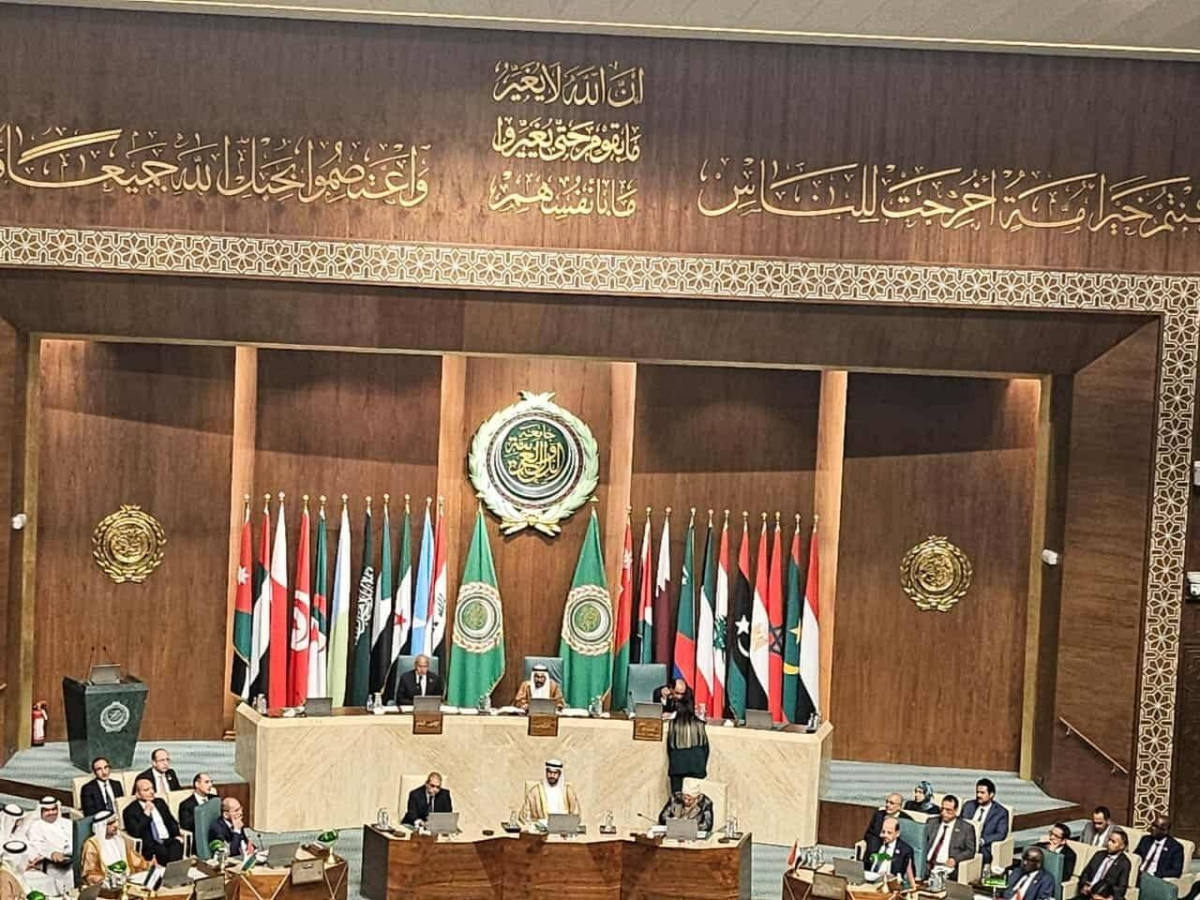
عقدت الجامعة العربية، اليوم (الخميس)، بالقاهرة، اجتماعات الدورة العادية لـ164، برئاسة الإمارات، وحضور الأمين العام لجامعة الدول العربية أحمد أبو الغيط، والمفوض العام لوكالة الأمم المتحدة لإغاثة وتشغيل اللاجئين الفلسطينيين فيليب لازاريني.
وأكد وزير الدولة في دولة الإمارات العربية المتحدة خليفة بن شاهين المرر، رئيس الجلسة، أن القضية الفلسطينية تظل محوراً أساسياً في سياسة الإمارات، مشدداً على أن الحل العادل والشامل لا يتحقق إلا بإقامة دولة فلسطينية مستقلة ذات سيادة، تعيش بأمن وسلام إلى جانب إسرائيل.
حل الدولتين
وأوضح المرر أن الإمارات شاركت في مؤتمر حل الدولتين في نيويورك، برئاسة السعودية وفرنسا، وانضمت إلى الإعلان الصادر عنه، الذي يشكّل وثيقة رسمية ترسم خارطة طريق نحو تجسيد الدولة الفلسطينية المستقلة، موضحاً أن الزخم المتزايد للاعتراف بالدولة الفلسطينية يجب أن يُبنى عليه عبر حشد دعم دولي أكبر، ليس فقط لوقف الحرب في غزة، وإنما أيضاً لتوفير المساعدات الإنسانية المنقذة للحياة دون عوائق، ووقف مسار التهجير وضم الأراضي.
وأشار إلى أن الإمارات ترى ضرورة وقف التدهور في الأوضاع بالضفة الغربية والقدس الشريف، بما في ذلك مواجهة الممارسات الإسرائيلية غير الشرعية، وتغوّل المستوطنين والمتطرفين، بمن فيهم المتطرفون من الحكومة الإسرائيلية نفسها.
وأكد أن الضغط الدولي الفاعل مطلوب للعودة إلى طاولة المفاوضات بين الفلسطينيين بقيادة منظمة التحرير الفلسطينية والإسرائيليين، وصولاً إلى الحل العادل والشامل والمستدام، مشدداً على أهمية توحيد سردية السلام ونبذ التطرف ومكافحة الإرهاب.
ولفت إلى أن الإمارات تقوم بدور نشط في هذا المجال، سواء من خلال قيادتها للجهد الإنساني في قطاع غزة أو عبر توظيف أدواتها السياسية لتهيئة البيئة المواتية للمفاوضات، معتبراً أن الطريق نحو الاستقرار في المنطقة يبدأ من وقف الحرب، وتثبيت الحقوق الفلسطينية، وتعزيز مسار المفاوضات السلمية.
ولفت إلى أن الإمارات متمسكة بدورها الفاعل في نشر ثقافة السلام، ودعم الشعب الفلسطيني في سعيه لإقامة دولته المستقلة وتحقيق تطلعاته المشروعة في الأمن والاستقرار والتنمية.
تصفية القضية الفلسطينية
من جهته، انتقد الأمين العام لجامعة الدول العربية أحمد أبو الغيط، قرار الإدارة الأمريكية بعدم منح الوفد الفلسطيني تأشيرات دخول لحضور اجتماعات الأمم المتحدة في نيويورك، معتبراً ذلك مخالفاً للالتزامات الدولية.
وأوضح أبو الغيط أن مثل هذه الإجراءات تعرقل الدور الطبيعي للأمم المتحدة في مناقشة القضية الفلسطينية، مشيراً أن دولاً كثيرة حول العالم باتت تعلن دعمها لقيام الدولة الفلسطينية، وهو ما يعكس تزايد القناعة الدولية بعدالة القضية وضرورة إنهاء الاحتلال.
واتهم أبو الغيط إسرائيل بالسعي إلى تصفية القضية الفلسطينية، مبيناً إسرائيل تريد القضاء على مشروع إقامة فلسطين دولتها المستقلة.
ولفت إلى أن التصور الإسرائيلي لمستقبل المنطقة يضعها في أتون «حروب دينية مدمرة»، وعنف لا نهاية له، وكراهية تقضي على كل آمال العيش المشترك.
وشدد الأمين العام للجامعة العربية على أن سعي الحكومة اللبنانية لتطبيق قرار حصر السلاح بيد الدولة «مشروع وضروري»، مبيناً أنه لا غنى عنه لحفظ الاستقرار.
وشدد أبو الغيط على دعم الجامعة مساعي الدولة اللبنانية لتطبيق قرار حصر السلاح.
ويناقش الاجتماع تطورات القضية الفلسطينية، والجهود المبذولة للاعتراف بالدولة الفلسطينية وسبل وقف العدوان الإسرائيلي على قطاع غزة، وخطط إعادة الإعمار، إضافة إلى دعم صمود الشعب الفلسطيني سياسياً واقتصادياً واجتماعياً.
دعم مؤتمر حل الدولتين
وأوضح نائب رئيس الوزراء وزير الخارجية الأردني أيمن الصفدي أن مؤتمر حل الدولتين سيكون صرخة للحق الفلسطيني، وتأكيداً على الخيار الفلسطيني العربي الإستراتيجي لتحقيق السلام العادل والشامل والدائم، الذي يضمن أمن كل دول المنطقة.
وأشار الصفدي إلى أن الأردن يشدد على أهمية المؤتمر الذي نظمته المملكة العربية السعودية بالتعاون مع فرنسا في تموز الماضي، وما يمثله من محطة تاريخية في دعم الحق الفلسطيني. كما نوّه إلى أهمية المؤتمر الذي ستنظمه الرياض وباريس على هامش اجتماعات الجمعية العامة للأمم المتحدة، في ظل ما ستشهده هذه الاجتماعات من اعترافات دولية بالدولة الفلسطينية.
وجدد الصفدي دعم الأردن للسلطة الوطنية الفلسطينية وللرؤية الإصلاحية التي أعلنها الرئيس محمود عباس، مؤكداً أهمية الالتزامات التي تضمنتها رسالتاه إلى ولي العهد رئيس مجلس الوزراء الأمير محمد بن سلمان، والرئيس الفرنسي إيمانويل ماكرون.
ودان وزير الخارجية الأردني تصريحات المتطرفين العنصريين في الحكومة الإسرائيلية بشأن نواياهم فرض السيادة على الأرض الفلسطينية المحتلة، واصفاً إياها بأنها خطاب كراهية عبثي يجب أن يدينه كل من يؤمن بالسلام في المجتمع الدولي.
وشدد الصفدي على رفض الأردن الإجراءات الإسرائيلية غير الشرعية في الضفة الغربية المحتلة، والتي تستهدف -بحسب قوله- منع تجسيد الدولة الفلسطينية المستقلة على خطوط الرابع من حزيران 1967 وعاصمتها القدس المحتلة، على أساس حل الدولتين.
وإلى جانب القضية الفلسطينية تناولت الاجتماعات مستجدات الأوضاع في المنطقة العربية خصوصاً الأوضاع في السودان واليمن وسورية وليبيا ولبنان والصومال وآليات التعامل مع التحديات الإقليمية الراهنة التي تهدد الأمن القومي العربي.
The Arab League held today (Thursday) in Cairo the regular session of its 164th meeting, chaired by the UAE, with the presence of the Secretary-General of the Arab League, Ahmed Aboul Gheit, and the Commissioner-General of the United Nations Relief and Works Agency for Palestine Refugees, Philippe Lazzarini.
The Minister of State in the United Arab Emirates, Khalifa bin Shaheen Al Marar, who chaired the session, affirmed that the Palestinian issue remains a central focus of the UAE's policy, emphasizing that a just and comprehensive solution can only be achieved through the establishment of an independent, sovereign Palestinian state that lives in security and peace alongside Israel.
Two-State Solution
Al Marar explained that the UAE participated in the Two-State Solution Conference in New York, chaired by Saudi Arabia and France, and joined the declaration issued from it, which constitutes an official document outlining a roadmap towards realizing an independent Palestinian state. He clarified that the increasing momentum for recognizing the Palestinian state should be built upon by rallying greater international support, not only to stop the war in Gaza but also to provide life-saving humanitarian assistance without obstacles and to halt the process of displacement and annexation of lands.
He pointed out that the UAE sees the necessity of stopping the deterioration of conditions in the West Bank and the Holy Jerusalem, including confronting illegal Israeli practices and the encroachment of settlers and extremists, including extremists from the Israeli government itself.
He affirmed that effective international pressure is required to return to the negotiation table between the Palestinians, led by the Palestine Liberation Organization, and the Israelis, leading to a just, comprehensive, and sustainable solution, stressing the importance of unifying the narrative of peace, rejecting extremism, and combating terrorism.
He noted that the UAE plays an active role in this area, whether through its leadership of humanitarian efforts in the Gaza Strip or by employing its political tools to create a conducive environment for negotiations, considering that the path to stability in the region begins with stopping the war, affirming Palestinian rights, and enhancing the path of peaceful negotiations.
He emphasized that the UAE is committed to its active role in promoting a culture of peace and supporting the Palestinian people in their quest to establish their independent state and achieve their legitimate aspirations for security, stability, and development.
Liquidation of the Palestinian Cause
For his part, the Secretary-General of the Arab League, Ahmed Aboul Gheit, criticized the U.S. administration's decision not to grant the Palestinian delegation visas to attend the United Nations meetings in New York, considering it a violation of international obligations.
Aboul Gheit explained that such measures hinder the natural role of the United Nations in discussing the Palestinian issue, noting that many countries around the world have begun to announce their support for the establishment of a Palestinian state, reflecting the increasing international conviction of the justice of the cause and the necessity of ending the occupation.
Aboul Gheit accused Israel of seeking to liquidate the Palestinian cause, indicating that Israel wants to eliminate the project of establishing Palestine as an independent state.
He pointed out that the Israeli vision for the future of the region places it in the midst of "destructive religious wars," endless violence, and hatred that obliterates all hopes for coexistence.
The Secretary-General of the Arab League emphasized that the Lebanese government's efforts to implement the decision to restrict arms to the state are "legitimate and necessary," indicating that it is indispensable for maintaining stability.
Aboul Gheit stressed the League's support for Lebanon's efforts to implement the decision to restrict arms.
The meeting discusses developments in the Palestinian issue, the efforts made for the recognition of the Palestinian state, ways to stop the Israeli aggression on the Gaza Strip, reconstruction plans, in addition to supporting the resilience of the Palestinian people politically, economically, and socially.
Support for the Two-State Solution Conference
The Deputy Prime Minister and Minister of Foreign Affairs of Jordan, Ayman Safadi, clarified that the Two-State Solution Conference will be a cry for Palestinian rights and a reaffirmation of the strategic Arab Palestinian option to achieve a just, comprehensive, and lasting peace that guarantees the security of all countries in the region.
Safadi pointed out that Jordan emphasizes the importance of the conference organized by the Kingdom of Saudi Arabia in cooperation with France last July, and what it represents as a historical milestone in supporting Palestinian rights. He also noted the importance of the conference that Riyadh and Paris will organize on the sidelines of the United Nations General Assembly meetings, in light of the international recognitions of the Palestinian state that will be witnessed during these meetings.
Safadi renewed Jordan's support for the Palestinian National Authority and the reform vision announced by President Mahmoud Abbas, emphasizing the importance of the commitments included in his messages to Crown Prince and Prime Minister Mohammed bin Salman and French President Emmanuel Macron.
The Jordanian Foreign Minister condemned the statements of racist extremists in the Israeli government regarding their intentions to impose sovereignty over the occupied Palestinian territories, describing them as a senseless hate speech that must be condemned by everyone who believes in peace in the international community.
Safadi stressed Jordan's rejection of the illegal Israeli measures in the occupied West Bank, which, according to him, aim to prevent the realization of an independent Palestinian state along the lines of June 4, 1967, with its capital in occupied Jerusalem, based on the two-state solution.
Alongside the Palestinian issue, the meetings addressed the latest developments in the Arab region, particularly the situations in Sudan, Yemen, Syria, Libya, Lebanon, and Somalia, and the mechanisms for dealing with the current regional challenges that threaten Arab national security.