أعلنت وزارة الخزانة الأمريكية، أمس (الثلاثاء)، عن فرض عقوبات جديدة تستهدف شبكة دولية متهمة بتهريب النفط الإيراني من خلال مزجه بالنفط العراقي وتسويقه على أنه إنتاج عراقي خالص، في محاولة للالتفاف على العقوبات الأمريكية المفروضة على إيران.
وتتركز العملية حول رجل الأعمال العراقي وليد خالد حميد السامرائي، الذي يحمل أيضا جنسية سانت كيتس ونيفيس، ويدير شبكة من الشركات والسفن التي تنشط بشكل رئيسي من الإمارات العربية المتحدة.
وتشير تقديرات الخزانة إلى أن هذه الشبكة تُدر حوالى 300 مليون دولار سنويا لإيران وشركائها، ما يساهم في تمويل أنشطة النظام الإيراني، بما في ذلك برامجه العسكرية ودعم الجماعات الإقليمية.
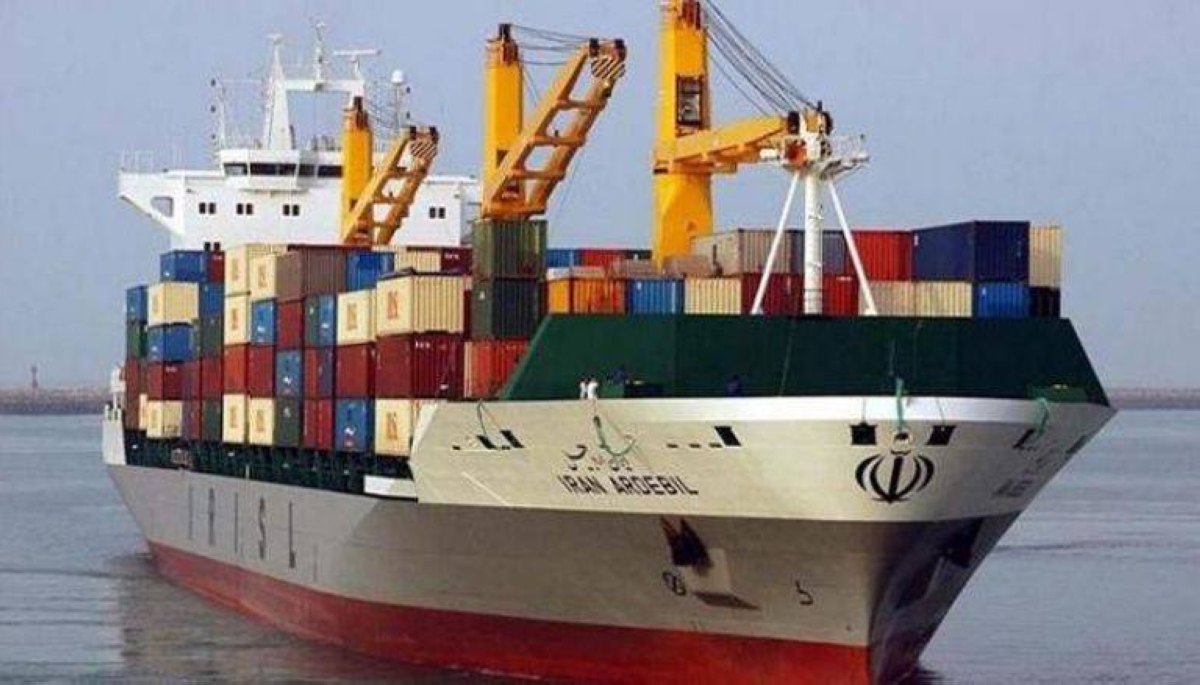
ووفقا لبيان صادر عن مكتب مراقبة الأصول الأجنبية التابع لوزارة الخزانة، تعتمد الشبكة التي يقودها السامرائي على خلط النفط الإيراني بالنفط العراقي في موانئ العراق والخليج العربي، باستخدام أساليب خداع مثل تزوير الوثائق الملاحية وإيقاف تشغيل أنظمة التتبع الآلي للسفن لإخفاء مصدر النفط. وتشمل العقوبات تسع سفن تحمل علم ليبيريا، مثل «أدينا» و«ليليانا» و«كاميلا»، إلى جانب خمس شركات وهمية مسجلة في جزر مارشال تُستخدم لإدارة العمليات.
وأكد وزير الخزانة الأمريكي سكوت بيسينت أن «العراق لا يمكن أن يكون ملاذا آمنا للإرهابيين، ولهذا تعمل الولايات المتحدة على مواجهة نفوذ إيران في المنطقة من خلال استهداف مصادر إيراداتها النفطية».
تأتي هذه العقوبات ضمن حملة «الضغط الأقصى» التي أطلقتها إدارة الرئيس دونالد ترمب بموجب المذكرة الرئاسية للأمن القومي، التي تهدف إلى تقليص إيرادات إيران النفطية للحد من دعمها للأنشطة العسكرية والجماعات الإقليمية مثل «حزب الله» والحوثيين.
وتُعد هذه العملية امتدادا لعقوبات سابقة استهدفت شبكات مماثلة، مثل تلك التي يقودها رجل الأعمال العراقي سالم أحمد سعيد في يوليو الماضي، التي استخدمت أساليب مشابهة لتهريب النفط الإيراني، وتشمل الأساليب التي تستخدمها شبكة السامرائي عمليات نقل النفط من سفينة إلى أخرى في عرض البحر، غالبا تحت جنح الظلام.
وتُعد إيران واحدة من أكبر الدول المنتجة للنفط في العالم، لكنها تواجه عقوبات أمريكية مشددة منذ انسحاب الولايات المتحدة من الاتفاق النووي عام 2018، ما دفعها إلى تطوير شبكات معقدة للتهريب عبر ما يُعرف بـ«الأسطول الظل».
وتُشير تقارير إلى أن الصين تستحوذ على حوالى 90% من صادرات النفط الإيراني، إذ يتم خلط النفط الإيراني مع نفط دول أخرى، مثل العراق، لإخفاء مصدره وتسويقه عبر وثائق مزورة، ويُعتبر العراق، بفضل قربه الجغرافي والبنية التحتية النفطية المشتركة، مركزا رئيسيا لهذه العمليات.
The U.S. Treasury Department announced yesterday (Tuesday) new sanctions targeting an international network accused of smuggling Iranian oil by mixing it with Iraqi oil and marketing it as purely Iraqi production, in an attempt to circumvent U.S. sanctions imposed on Iran.
The operation focuses on Iraqi businessman Walid Khalid Hamid Al-Samarrai, who also holds citizenship from Saint Kitts and Nevis, and manages a network of companies and ships that primarily operate from the United Arab Emirates.
Treasury estimates suggest that this network generates about $300 million annually for Iran and its partners, contributing to the funding of Iranian regime activities, including its military programs and support for regional groups.
According to a statement from the Office of Foreign Assets Control at the Treasury Department, the network led by Al-Samarrai relies on mixing Iranian oil with Iraqi oil at ports in Iraq and the Arabian Gulf, using deceptive methods such as forging shipping documents and shutting down vessel tracking systems to conceal the oil's source. The sanctions include nine ships flying the Liberian flag, such as "Adina," "Liliana," and "Camila," along with five shell companies registered in the Marshall Islands used to manage the operations.
U.S. Treasury Secretary Scott P. Amey stated that "Iraq cannot be a safe haven for terrorists, which is why the United States is working to counter Iran's influence in the region by targeting its oil revenue sources."
These sanctions are part of the "maximum pressure" campaign launched by President Donald Trump's administration under the presidential memorandum on national security, aimed at reducing Iran's oil revenues to limit its support for military activities and regional groups such as Hezbollah and the Houthis.
This operation is an extension of previous sanctions targeting similar networks, such as those led by Iraqi businessman Salem Ahmed Said last July, which used similar methods to smuggle Iranian oil. The methods employed by Al-Samarrai's network include transferring oil from one ship to another at sea, often under the cover of darkness.
Iran is one of the largest oil-producing countries in the world, but it has faced intensified U.S. sanctions since the United States withdrew from the nuclear agreement in 2018, prompting it to develop complex smuggling networks known as the "shadow fleet."
Reports indicate that China accounts for about 90% of Iranian oil exports, as Iranian oil is mixed with oil from other countries, such as Iraq, to conceal its source and market it through forged documents. Iraq, due to its geographical proximity and shared oil infrastructure, is a key hub for these operations.