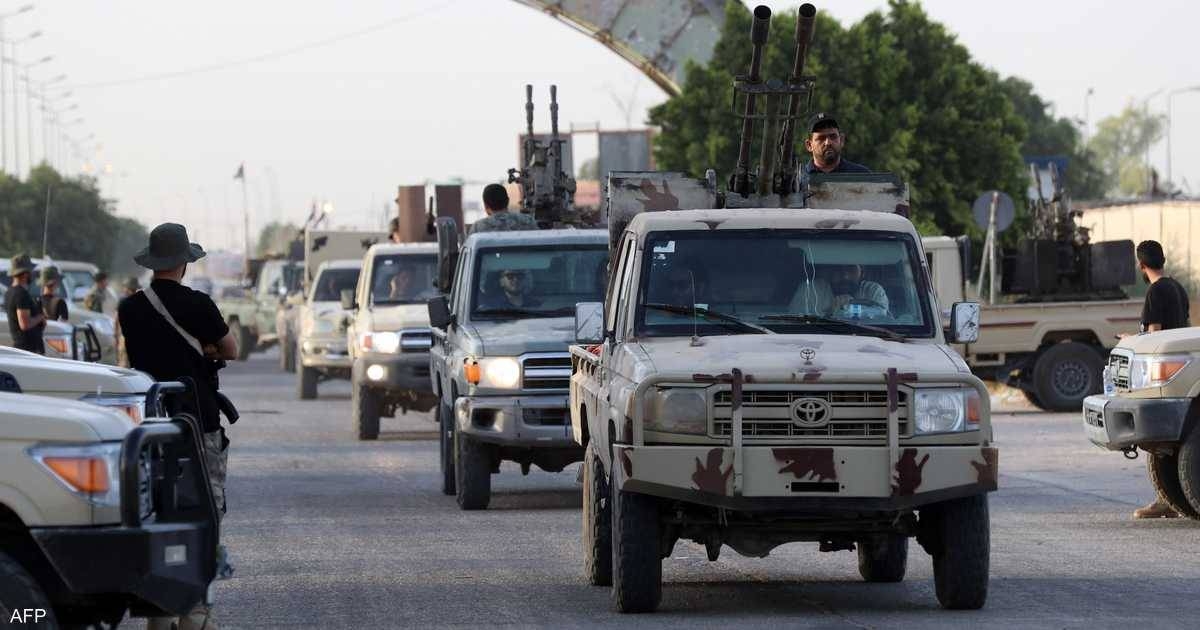
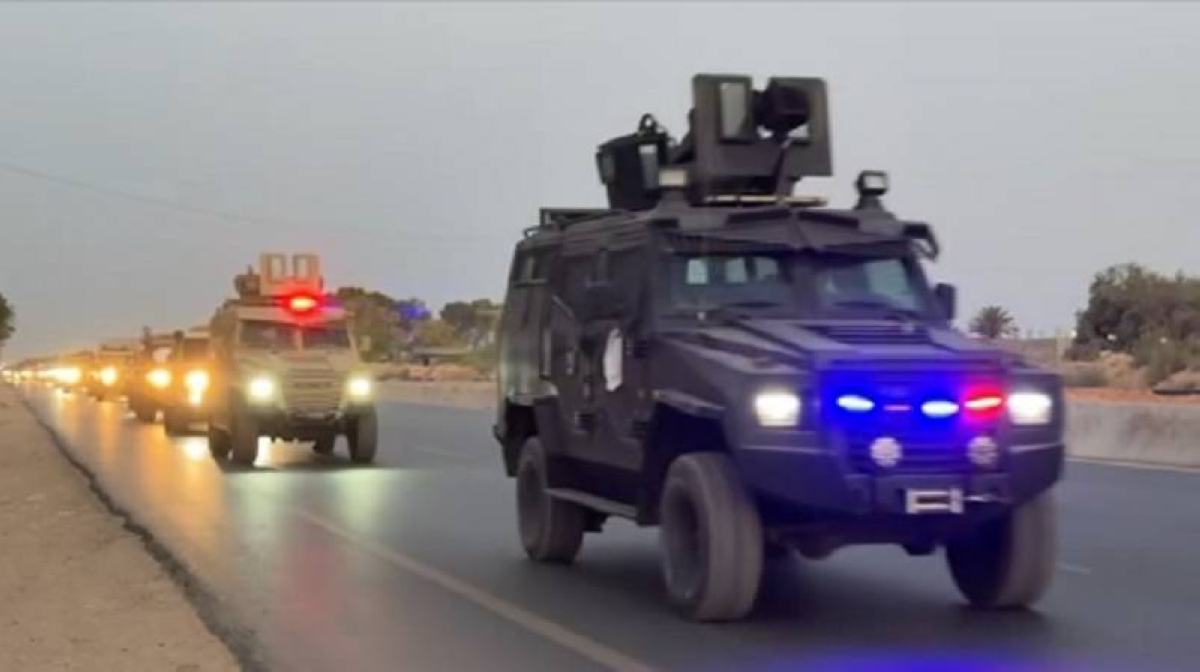
أعرب الأمين العام لجامعة الدول العربية أحمد أبو الغيط عن بالغ القلق إزاء تصاعد التوتر في غرب ليبيا، وخصوصاً ما يخص حشد قوات عسكرية بالقرب من العاصمة طرابلس، مؤكداً أن الجامعة تتابع عن كثب مجريات الأوضاع، مشيراً إلى أن استمرار هذا النهج قد يعرض البلاد لخطر الانزلاق مجدداً في دوامة الصراع بما له من تداعيات على أمن ليبيا ووحدتها.
ونقل المتحدث باسم الأمين العام جمال رشدي عن أبو الغيط دعوته جميع الأطراف إلى وقف التصعيد وحل الخلافات بالحوار، فاستخدام العنف لن يؤدي سوى إلى تعميق الانقسام.
وحث أبو الغيط الأطراف كافة على الانخراط بجدية في مسارات التفاوض، مؤكداً استعداد جامعة الدول العربية لمواصلة دفع الحوار الليبي - الليبي بالشكل الذي يسهم في تعزيز الاستقرار بالتعاون مع الشركاء الإقليميين والدوليين.
وفي السنوات الأخيرة دعا أبو الغيط مراراً إلى وقف التصعيد العسكري وإنهاء وجود المليشيات المسلحة والقوات الأجنبية في ليبيا، مشدداً على أن الحل السياسي هو السبيل الوحيد لاستعادة الاستقرار.
وفي مايو الماضي أعربت الجامعة العربية عن قلقها إزاء الاشتباكات في طرابلس، داعية إلى تغليب المسؤولية الوطنية، ورحبت قبل أيام بخارطة الطريق الأممية التي قدمتها رئيسة بعثة الأمم المتحدة للدعم في ليبيا هانا تيته، التي تهدف إلى توحيد المؤسسات وإجراء الانتخابات.
وشهدت الساعات الماضية تحركات عسكرية في غرب ليبيا حيث سُمع دوي إطلاق نار ورُصدت تحركات مكثفة لآليات عسكرية في مناطق من طرابلس، ليل الإثنين وصباح الثلاثاء، في ظل أجواء من التصعيد دفعت بعثة الأمم المتحدة في ليبيا إلى إصدار بيان تحذيري.
وقالت البعثة الأممية في ليبيا إنها «تدرك أن المفاوضات مستمرة بإشراف المجلس الرئاسي، وتدعو الأطراف إلى مواصلة الانخراط فيها ومناقشة القضايا المتبقية بحسن نية والعمل لما فيه المصلحة العليا لسكان طرابلس المدنيين الذين يجب حمايتهم».
ودعت البعثة بشكل عاجل «جميع الأطراف إلى وقف أشكال التصعيد كافة، والامتناع على الفور عن أي أعمال من شأنها تعريض المدنيين للخطر، وأنه يجب حماية أرواح المدنيين والبنية التحتية في جميع الظروف».
The Secretary-General of the Arab League, Ahmed Aboul Gheit, expressed deep concern over the escalating tensions in western Libya, particularly regarding the mobilization of military forces near the capital, Tripoli. He emphasized that the League is closely monitoring the developments, noting that the continuation of this approach could expose the country to the risk of slipping back into a cycle of conflict, with implications for Libya's security and unity.
The spokesperson for the Secretary-General, Jamal Rushdi, conveyed Aboul Gheit's call for all parties to de-escalate and resolve disputes through dialogue, stating that the use of violence would only deepen the division.
Aboul Gheit urged all parties to engage seriously in negotiation processes, affirming the Arab League's readiness to continue promoting Libyan-Libyan dialogue in a manner that contributes to enhancing stability in cooperation with regional and international partners.
In recent years, Aboul Gheit has repeatedly called for an end to military escalation and the presence of armed militias and foreign forces in Libya, stressing that a political solution is the only way to restore stability.
Last May, the Arab League expressed its concern regarding the clashes in Tripoli, calling for a sense of national responsibility, and recently welcomed the UN roadmap presented by the head of the United Nations Support Mission in Libya, Hanna Titi, aimed at unifying institutions and conducting elections.
In recent hours, there have been military movements in western Libya, where gunfire was heard and intensive movements of military vehicles were observed in areas of Tripoli on the night of Monday and the morning of Tuesday, amidst a climate of escalation that prompted the United Nations Mission in Libya to issue a warning statement.
The UN mission in Libya stated that it "recognizes that negotiations are ongoing under the supervision of the Presidential Council, and calls on the parties to continue engaging in them and to discuss the remaining issues in good faith, working for the higher interest of the civilian population of Tripoli who must be protected."
The mission urgently called on "all parties to cease all forms of escalation and to immediately refrain from any actions that could endanger civilians, emphasizing that the lives of civilians and infrastructure must be protected under all circumstances."