أعلن وزير الخارجية الفرنسي جان نويل بارو، اليوم (السبت)، أن بلاده عرضت على إيران تأجيل العقوبات مقابل إبداء حسن النية والتعاون مع الوكالة الدولية للطاقة الذرية، غير أن طهران لم تستجب.
وقال بارو: «بعد 30 يوماً ستُعاد العقوبات على إيران مع إبقاء باب الدبلوماسية مفتوحاً»، موضحاً أن «آلية الزناد» ستؤدي إلى إعادة فرض العقوبات الدولية ثم الأوروبية، بما يشمل العقوبات على المصارف والتكنولوجيا النووية والأسلحة.
في المقابل، قلّل رئيس لجنة الأمن القومي والسياسة الخارجية في البرلمان الإيراني إبراهيم عزيزي من أهمية خطوة الترويكا الأوروبية (فرنسا وألمانيا وبريطانيا) بتفعيل آلية إعادة فرض العقوبات.
وقال: «لا تأثير لآلية الزناد في المعادلات»، مضيفاً أن أوروبا، المرتبطة بالولايات المتحدة، لا تمتلك القدرة الكافية لدعم مواقفها، مؤكداً أن (سناب باك) أيضاً بلا جدوى. ولفت إلى أن الغرب فرض عقوبات واسعة في إطار الاتفاق النووي ولم يرفع أيّاً منها رغم تعهّداته.
وكان الرئيس الإيراني مسعود بزشكيان قد صرّح، أمس، أن «الانقسامات الداخلية أخطر من آلية الزناد»، معتبراً أن «ادعاءات الأوروبيين بشأن برنامجنا النووي لا أساس لها».
وأكد بزشكيان أن طهران لا تسعى للحرب، لكن «إذا هاجمتها إسرائيل أو الولايات المتحدة فستواجههما بقوة».
من جهته، كشف سفير إيران لدى الأمم المتحدة أمير سعيد إيرفاني أن الترويكا الأوروبية عرضت خطة لتأجيل تفعيل إعادة فرض عقوبات الأمم المتحدة على طهران، معتبراً أن هذه الخطة «مليئة بشروط مسبقة غير واقعية».
وقال إيرفاني: «على الدول الثلاث دعم تمديد فني قصير وغير مشروط للقرار 2231»، مشيراً إلى أن بلاده تؤيد منح المسار الدبلوماسي مزيداً من الوقت للتوصل إلى تفاهم أو اتفاق جديد.
وأكد سفير إيران لدى الأمم المتحدة، أن إيران ملتزمة بالدبلوماسية، لكنها «لن تتفاوض تحت التهديد أو الإكراه».
طهران تقلّل من العقوبات.. وزير خارجية فرنسا: عرضنا تأجيلها مقابل حسن النيّة
30 أغسطس 2025 - 15:06
|
آخر تحديث 30 أغسطس 2025 - 15:06
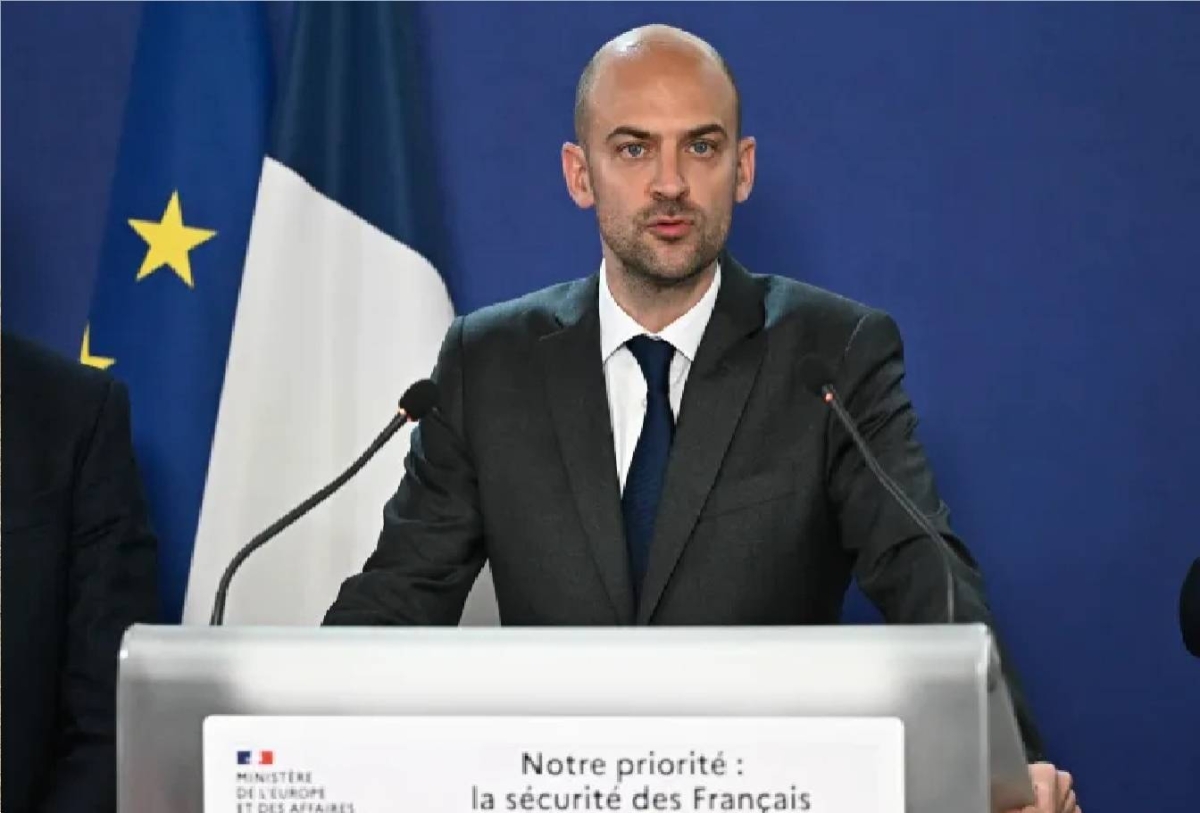
وزير الخارجية الفرنسي.


تابع قناة عكاظ على الواتساب
«عكاظ» (جدة) okaz_online@
French Foreign Minister Jean-Noël Barrot announced today (Saturday) that his country offered Iran a postponement of sanctions in exchange for demonstrating goodwill and cooperation with the International Atomic Energy Agency, but Tehran did not respond.
Barrot stated, "After 30 days, sanctions will be reinstated on Iran while keeping the door to diplomacy open," explaining that the "snapback mechanism" will lead to the reimposition of international sanctions followed by European sanctions, including sanctions on banks, nuclear technology, and weapons.
In contrast, the head of the Iranian Parliament's National Security and Foreign Policy Committee, Ibrahim Azizi, downplayed the significance of the European troika's (France, Germany, and Britain) move to activate the sanctions reimposition mechanism.
He said, "The snapback mechanism has no impact on the equations," adding that Europe, which is tied to the United States, does not have the sufficient capacity to support its positions, emphasizing that the snapback is also futile. He pointed out that the West imposed extensive sanctions under the nuclear agreement and has not lifted any of them despite its commitments.
Iranian President Masoud Bezhakian stated yesterday that "internal divisions are more dangerous than the snapback mechanism," considering that "the Europeans' claims regarding our nuclear program are baseless."
Bezhakian confirmed that Tehran does not seek war, but "if it is attacked by Israel or the United States, it will confront them with strength."
For his part, Iran's Ambassador to the United Nations, Amir Saeed Iravani, revealed that the European troika offered a plan to postpone the activation of the reimposition of UN sanctions on Tehran, considering that this plan is "full of unrealistic preconditions."
Iravani said, "The three countries should support a short, unconditional technical extension of Resolution 2231," noting that his country supports giving the diplomatic track more time to reach an understanding or a new agreement.
The Iranian Ambassador to the United Nations confirmed that Iran is committed to diplomacy, but "will not negotiate under threat or coercion."
Barrot stated, "After 30 days, sanctions will be reinstated on Iran while keeping the door to diplomacy open," explaining that the "snapback mechanism" will lead to the reimposition of international sanctions followed by European sanctions, including sanctions on banks, nuclear technology, and weapons.
In contrast, the head of the Iranian Parliament's National Security and Foreign Policy Committee, Ibrahim Azizi, downplayed the significance of the European troika's (France, Germany, and Britain) move to activate the sanctions reimposition mechanism.
He said, "The snapback mechanism has no impact on the equations," adding that Europe, which is tied to the United States, does not have the sufficient capacity to support its positions, emphasizing that the snapback is also futile. He pointed out that the West imposed extensive sanctions under the nuclear agreement and has not lifted any of them despite its commitments.
Iranian President Masoud Bezhakian stated yesterday that "internal divisions are more dangerous than the snapback mechanism," considering that "the Europeans' claims regarding our nuclear program are baseless."
Bezhakian confirmed that Tehran does not seek war, but "if it is attacked by Israel or the United States, it will confront them with strength."
For his part, Iran's Ambassador to the United Nations, Amir Saeed Iravani, revealed that the European troika offered a plan to postpone the activation of the reimposition of UN sanctions on Tehran, considering that this plan is "full of unrealistic preconditions."
Iravani said, "The three countries should support a short, unconditional technical extension of Resolution 2231," noting that his country supports giving the diplomatic track more time to reach an understanding or a new agreement.
The Iranian Ambassador to the United Nations confirmed that Iran is committed to diplomacy, but "will not negotiate under threat or coercion."