بقي ملف السويداء، طوال عقود النظام السابق، قضية داخلية شبه معزولة، لم يقترب نظام الأسد من الدروز كثيراً، وفي المقابل لم يصعّد الدروز ضد النظام أكثر من مطالبتهم بإدارة محلية ورفض التجنيد الإجباري.
هذه المعادلة أبقت العلاقة بين الطرفين في حالة (هدنة)، وسمحت للنظام بتفادي مواجهة مفتوحة في منطقة حساسة جغرافياً وديموغرافياً، لكن ما كان يعانيه الدروز فعلياً في تلك الحقبة لم يكن مرتبطاً بالسلطة المركزية بقدر ما كان نتيجة التمدد الإيراني في مناطقهم، إضافة إلى نشاط (حزب الله) الذي حوّل السويداء إلى أحد ممرات تهريب الكبتاغون، في مشهد أفرغ المنطقة من استقرارها وأدخلها في شبكة معقدة من اقتصاد الحرب.
بعد سقوط نظام بشار الأسد وانتصار الثورة السورية، سادت لهجة حذرة وتصالحية بين دمشق والسويداء. فقد ارتكزت مقاربة دمشق الجديدة على مبدأ «دولة واحدة» ونزع سلاح الجماعات غير المندمجة في الدولة السورية. غير أن هذه الخطوة قوبلت برفض واسع من فصائل السويداء المسلحة، التي رأت في ذلك تهديداً مباشراً لأمنها الذاتي. وهكذا بقيت المحافظة مفتوحة على خلافات داخلية قديمة، ليست نتاجاً لإدارة دمشق، بل تعود بجذورها إلى تنافس عائلي وتباينات بين المرجعيات الدينية للطائفة الدرزية. إذ تنقسم المشيخة الروحية إلى ثلاث مرجعيات:
تيار الشيخ حكمت الهجري؛ ويعد الأكثر حضوراً سياسياً وإعلامياً في السنوات الأخيرة، ويتميز بخطاب أكثر حدّة تجاه دمشق، خصوصاً بعد سقوط النظام الأسدي. ويحظى بتأييد شريحة واسعة من الفصائل المسلحة، لكنه لا يملك النفوذ التقليدي الأكبر. ويطالب هذا التيار بمساحة استقلالية أوسع للطائفة، ومنفتح على التقارب مع إسرائيل.
والثاني تيار الشيخ يوسف جربوع، ويُعتبر الأكثر قرباً من الحكومة السورية، ويطرح خطاباً معتدلاً يدعو إلى وحدة سورية تحت سلطة الدولة المركزية، لكن بعد أحداث السويداء تراجعت نبرته التصالحية بسبب الموجة الشعبوية بقيادة الهجري.
والثالث هو تيار الشيخ الحناوي: وكان يُنظر إليه باعتباره الأكثر اعتدالاً بين المرجعيات الثلاث، لكنه قطع صلته بالحكومة في خطاب قبل أسبوعين عندما اتهم السلطة بالمشاركة في الهجوم على السويداء.
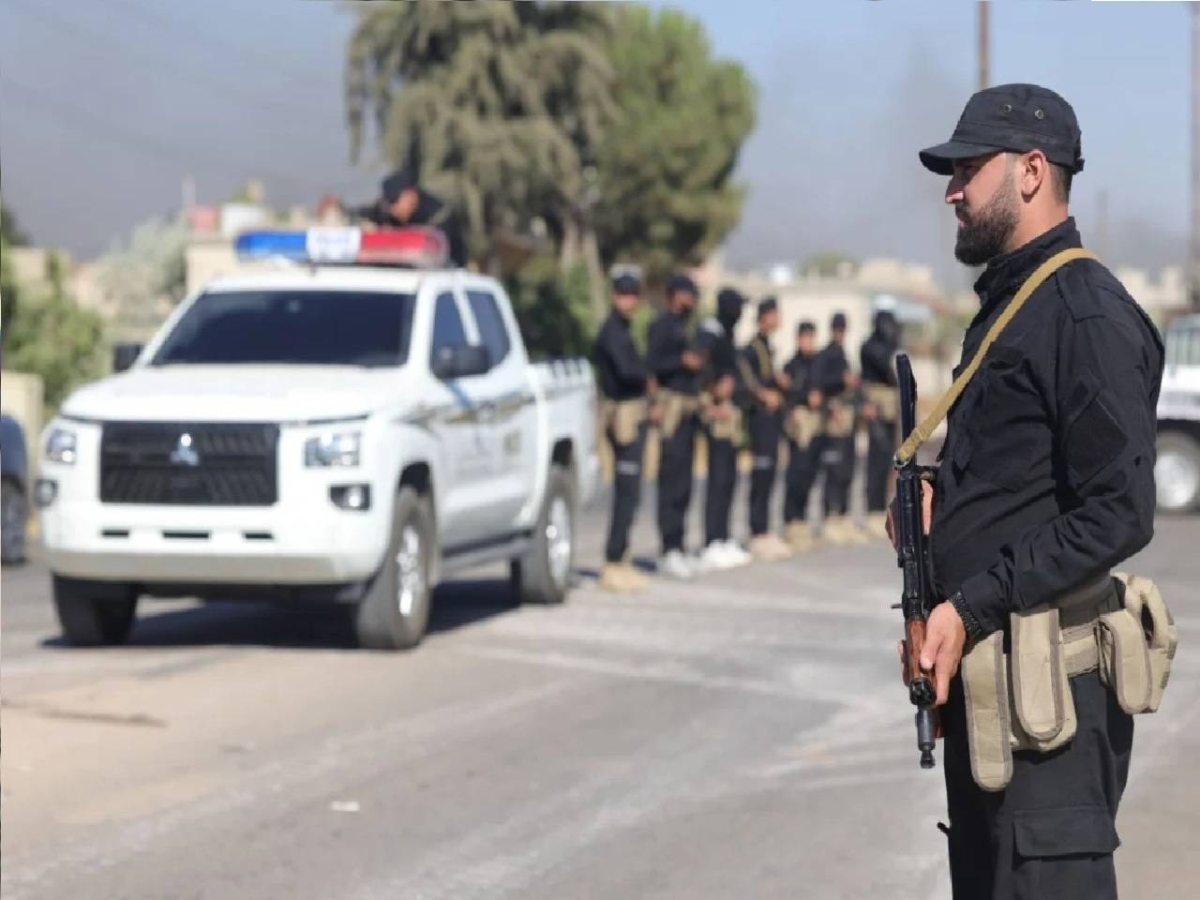
على أرضية هذه المعادلة الهشة بين دمشق والسويداء، تفجرت الأحداث الأخيرة، حين اندلعت مواجهات دامية بين عشائر بدوية مقيمة في السويداء ومسلحين دروز. سرعان ما اتسع نطاق القتال بشكل غير مسبوق في عنفه ودمويته، إذ حشدت العشائر السورية مقاتليها لنجدة بدو السويداء، فيما تجمّع الدروز حول مسلحي الشيخ الهجري. حاولت القوات الحكومية التدخل عبر الأمن العام للسيطرة على الفوضى، لكنها اضطرت للانسحاب مع اتساع رقعة الصراع جنوباً، وخصوصاً بعد دخول إسرائيل على خط المواجهة المباشرة لمصلحة الدروز، من خلال غارات جوية انتهكت سيادة سورية وفاقمت الشرخ الطائفي.
الأخطر من ذلك كان البعد السياسي للصراع؛ فقد تعهّد زعيم الدروز في إسرائيل الشيخ موفق طريف، بتوفير حماية إسرائيلية كاملة لدروز سورية مقابل قطعهم صلاتهم مع حكومة دمشق. هذه الوعود، التي جاءت على وقع الانتهاكات التي تعرض لها الدروز خلال المواجهات، والتي كانت الدولة السورية بعيدة تماماً عن هذا النهج، لكن هذه التجاوزات بدت للكثيرين من الدروز مغرية للانجرار وراء وعود موفق طريف لكنها في الواقع، كما يقرأها المراقبون، غير قابلة للتنفيذ. فالممر الأمني الذي تتحدث عنه إسرائيل يتطلب السيطرة على شريط طوله نحو 100 كيلومتر داخل الأراضي السورية، وهو ما يحتاج إلى انتشار عسكري مكشوف ومعرّض للعمليات الانتقامية، وهو خيار لا يمكن أن تغامر به إسرائيل في الظروف الحالية.
ورغم ذلك، يتقدم خيار الانفصال في أدبيات وبيانات الشخصيات الدرزية التي تعيش صدمة المعارك الطائفية، وحتى إذا عكست هذه الدعاوى «رغبات صادقة»، فإنها تبقى غير ممكنة موضوعياً، فالسويداء، بخلاف شمال شرقي سورية لا تمتلك مقومات الإدارة الذاتية: لا ثروات طبيعية كافية، ولا منفذ جغرافياً يسمح لها بالاعتماد على اقتصاد مستقل، ولا قاعدة اجتماعية متجانسة كلياً تسمح ببناء حكم مستقر. ارتباط السويداء بدمشق ليس تفصيلاً إدارياً يمكن تجاوزه، بل هو حقيقة تاريخية وجغرافية واجتماعية واقتصادية، ترفضها وقائع الماضي والحاضر والمستقبل.
المفارقة أن ما يمكن تحقيقه على الأرض اليوم هو أشبه بـ«إدارة ذاتية ممولة من دمشق». السويداء تكون حيث تكون دمشق. أي أن أقصى ما يمكن أن يحصل عليه الدروز هو إدارة محلية واسعة الصلاحيات، لكن ضمن بنية الدولة السورية وبتمويل من المركز. قد يبدو هذا الطرح مفارقة ساخرة، لكنه -وفق التجربة- هو الصيغة الوحيدة الممكنة. فدمشق تحتاج إلى إبقاء السويداء ضمن نطاقها، والدروز يحتاجون إلى موارد المركز.
إن أزمة السويداء اليوم تكشف عمق أزمة إدارة التنوع، وأقليات تبحث عن حماية خارجية، ومجتمع ممزق يراوح بين رغبة في الانفصال وحتمية الارتباط بالمركز. في هذا المشهد، تبدو مقولة «الانفصال» أقرب إلى الوهم، بينما يظل الخيار الواقعي هو البحث عن صيغة جديدة للتعايش داخل الدولة السورية، صيغة توازن بين مطالب السويداء في الحكم المحلي، وحاجة دمشق إلى الحفاظ على وحدة البلاد.
وإلى أن يتم الوصول إلى هذه الصيغة على النخب الدرزية التي توارت بسبب سطوة الهجرية السياسية أن يكون لها دور أيضاً في صياغة مستقبل هذه الطائفة التي تعيش في بحر أكثرية على مدى مئات السنين، وعلى هذه النخب أيضاً أن تظهر في مثل هذه الأزمات ولا تترك الساحة للقيادات الدينية؛ لأن ذلك سيكرّس بشكل أو بآخر مفهوم الأحادية في القيادية الاجتماعية، لكن على أساس ديني، وهي خطوة بائسة باتجاه تكريس الطائفية.
The issue of Sweida remained a somewhat isolated internal matter throughout the decades of the previous regime, as Assad's regime did not engage much with the Druze, while the Druze, in turn, did not escalate their opposition to the regime beyond demanding local governance and rejecting conscription.
This equation kept the relationship between the two parties in a state of "truce," allowing the regime to avoid an open confrontation in a region that is sensitive both geographically and demographically. However, what the Druze were actually suffering during that era was not directly related to the central authority but rather a result of Iranian expansion in their areas, in addition to the activities of Hezbollah, which turned Sweida into one of the smuggling routes for Captagon, creating a scene that emptied the region of its stability and plunged it into a complex web of war economy.
After the fall of Bashar al-Assad's regime and the victory of the Syrian revolution, a cautious and reconciliatory tone prevailed between Damascus and Sweida. Damascus's new approach was based on the principle of "one state" and the disarmament of groups not integrated into the Syrian state. However, this step was met with widespread rejection from the armed factions of Sweida, which saw it as a direct threat to their self-security. Thus, the governorate remained open to old internal disputes, not resulting from Damascus's administration but rooted in family competition and differences among the religious authorities of the Druze community. The spiritual leadership is divided into three authorities:
The first is the current of Sheikh Hikmat al-Hajri, which has been the most politically and media-present in recent years, characterized by a sharper rhetoric towards Damascus, especially after the fall of the Assad regime. It enjoys the support of a wide segment of the armed factions but does not hold the largest traditional influence. This current demands a broader space of autonomy for the community and is open to rapprochement with Israel.
The second is the current of Sheikh Yusuf Jarbou, considered the closest to the Syrian government, presenting a moderate discourse that calls for Syrian unity under the authority of the central state. However, after the events in Sweida, his reconciliatory tone diminished due to the populist wave led by al-Hajri.
The third is the current of Sheikh al-Hanawi, which was seen as the most moderate among the three authorities, but he severed his ties with the government in a speech two weeks ago when he accused the authority of participating in the attack on Sweida.
On the ground of this fragile equation between Damascus and Sweida, recent events erupted when bloody confrontations broke out between Bedouin tribes residing in Sweida and Druze gunmen. The scope of the fighting quickly expanded in an unprecedented manner in its violence and bloodshed, as Syrian tribes mobilized their fighters to aid the Bedouins of Sweida, while the Druze gathered around the gunmen of Sheikh al-Hajri. Government forces attempted to intervene through the General Security to control the chaos but were forced to withdraw as the conflict spread southward, especially after Israel entered the direct confrontation on behalf of the Druze through airstrikes that violated Syrian sovereignty and exacerbated sectarian rifts.
More dangerously, there was the political dimension of the conflict; the Druze leader in Israel, Sheikh Muwaffaq Tarif, pledged to provide full Israeli protection to the Druze of Syria in exchange for severing their ties with the Damascus government. These promises, which came in the wake of the violations faced by the Druze during the confrontations, were far removed from the approach of the Syrian state. However, these transgressions appeared enticing to many Druze to be drawn into the promises of Muwaffaq Tarif, but in reality, as observers read it, they are not feasible. The security corridor that Israel speaks of requires control over a strip approximately 100 kilometers long inside Syrian territory, which necessitates an exposed military presence vulnerable to retaliatory operations—a choice that Israel cannot risk under current circumstances.
Nevertheless, the option of separation is advancing in the literature and statements of Druze figures who are experiencing the shock of sectarian battles. Even if these calls reflect "sincere desires," they remain objectively impossible. Sweida, unlike northeastern Syria, does not possess the components of self-administration: it lacks sufficient natural resources, does not have a geographical outlet that allows it to rely on an independent economy, and does not have a completely homogeneous social base that allows for stable governance. The connection of Sweida to Damascus is not an administrative detail that can be overlooked; rather, it is a historical, geographical, social, and economic reality that is rejected by the facts of the past, present, and future.
The paradox is that what can be achieved on the ground today is akin to "self-administration funded by Damascus." Sweida exists where Damascus exists. This means that the most the Druze can obtain is a local administration with broad powers, but within the structure of the Syrian state and funded by the center. This proposal may seem like a sarcastic paradox, but—according to experience—it is the only feasible formula. Damascus needs to keep Sweida within its scope, and the Druze need the resources of the center.
The crisis in Sweida today reveals the depth of the crisis in managing diversity, minorities seeking external protection, and a torn society oscillating between a desire for separation and the inevitability of connection to the center. In this scene, the notion of "separation" seems closer to an illusion, while the realistic option remains the search for a new formula for coexistence within the Syrian state, a formula that balances the demands of Sweida for local governance with Damascus's need to maintain the unity of the country.
Until this formula is reached, the Druze elites, who have retreated due to the political dominance of al-Hajri, must also play a role in shaping the future of this community, which has lived in a sea of majority for hundreds of years. These elites must also emerge in such crises and not leave the field to religious leaders; otherwise, this will reinforce, in one way or another, the concept of singularity in social leadership, but on a religious basis, which is a dismal step towards entrenching sectarianism.