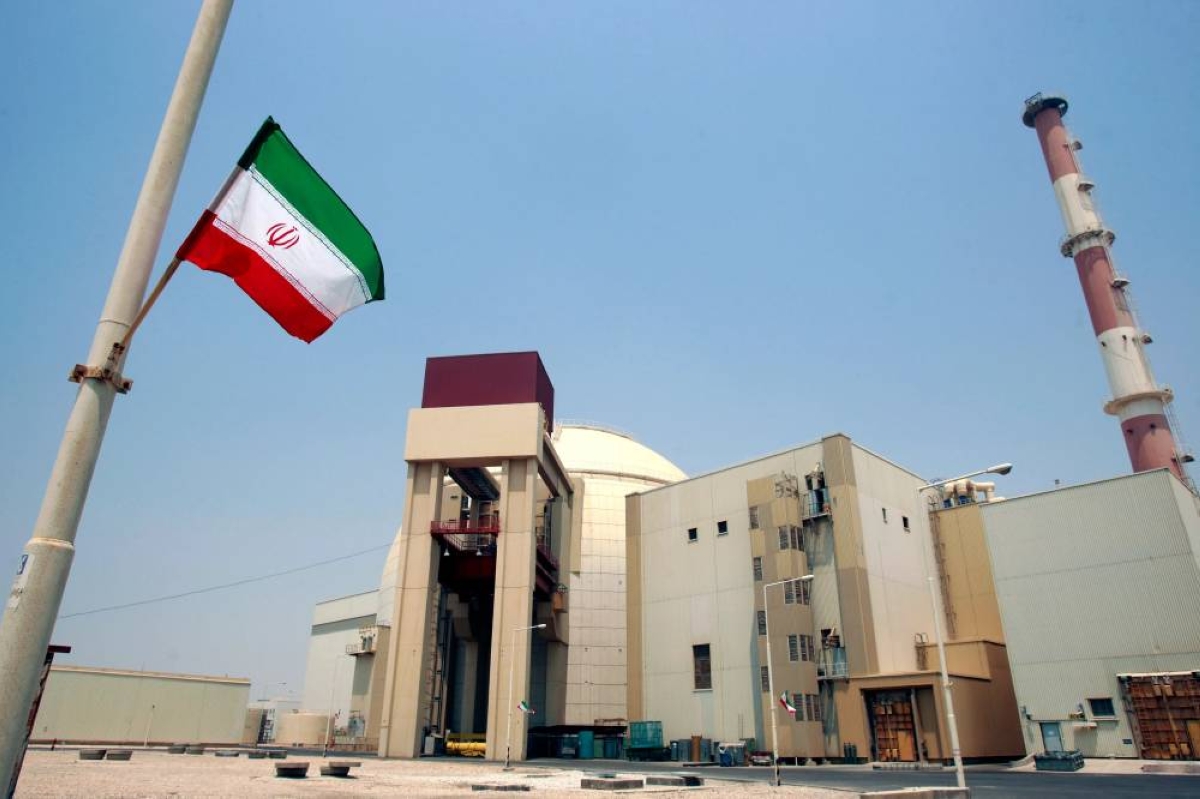
فعّلت الترويكا الأوروبية (فرنسا وألمانيا وبريطانيا)، اليوم (الخميس)، إعادة فرض العقوبات على إيران أو ما تعرف بـ«آلية سناب باك أو كبح الزناد».
وأعلن وزير الخارجية الفرنسي جان نويل بارو أن بلاده، إلى جانب المملكة المتحدة وألمانيا، قررت تفعيل الآلية التي تتيح إعادة فرض عقوبات الأمم المتحدة على إيران، محذراً طهران من المضي قدماً في التصعيد النووي.
وقال بارو عبر منصة «إكس»: «هذا الإجراء لا يعني انتهاء الدبلوماسية، فنحن مصممون على الاستفادة من فترة الثلاثين يوماً التي تفتح الباب للحوار مع إيران»، مضيفاً: «نحن ملتزمون بالدبلوماسية لضمان عدم حصول إيران على أسلحة نووية على الإطلاق».
من جانبه، قال وزير الخارجية الألماني يوهان فاديفول: إن تفعيل عملية إعادة فرض العقوبات الأممية على إيران قد يشكّل بداية مرحلة جديدة في المفاوضات الدبلوماسية، داعياً طهران إلى التعاون الكامل مع الوكالة الدولية للطاقة الذرية والالتزام الواضح بالمفاوضات المباشرة مع الولايات المتحدة.
ونقل موقع «أكسيوس» عن مصدرين دبلوماسيين أوروبيين أن فرنسا وألمانيا وبريطانيا وجّهت رسالة إلى أعضاء مجلس الأمن الدولي أعلنت فيها تفعيل «آلية الزناد» ضد طهران.
وأكدت الدول الثلاث أنها ستسعى لاستغلال الأيام الثلاثين القادمة لحل القضايا العالقة مع إيران، موضحة أنها ستواصل مناقشة إمكانية تمديد القرار الأممي الذي يكرّس الاتفاق النووي لعام 2015.
وحثت فرنسا وبريطانيا وألمانيا، إيران على الانخراط في دبلوماسية بنّاءة لتبديد المخاوف المرتبطة ببرنامجها النووي.
في المقابل، وصف وزير الخارجية الإيراني عباس عراقجي خطوة «الترويكا» الأوروبية بأنها «غير قانونية»، مؤكداً أن بلاده سترد بالشكل المناسب على هذا الإجراء.
وقال مسؤول إيراني كبير لوسائل إعلام غربية: «خطوة الدول الأوروبية الثلاث تتعارض مع الدبلوماسية ولا تشكل فرصة لها»، معتبراً أن تفعيل آلية إعادة فرض العقوبات «غير قانوني ومؤسف».
The European troika (France, Germany, and the UK) activated today (Thursday) the re-imposition of sanctions on Iran, known as the "snapback mechanism" or "trigger mechanism."
French Foreign Minister Jean-Noël Barot announced that his country, along with the United Kingdom and Germany, decided to activate the mechanism that allows for the re-imposition of UN sanctions on Iran, warning Tehran against proceeding with nuclear escalation.
Barot said via the "X" platform: "This measure does not mean the end of diplomacy; we are determined to make use of the thirty-day period that opens the door for dialogue with Iran," adding: "We are committed to diplomacy to ensure that Iran never acquires nuclear weapons."
For his part, German Foreign Minister Johan Wadephol stated that activating the process of re-imposing UN sanctions on Iran could mark the beginning of a new phase in diplomatic negotiations, urging Tehran to fully cooperate with the International Atomic Energy Agency and to clearly commit to direct negotiations with the United States.
The "Axios" website reported from two European diplomatic sources that France, Germany, and the UK sent a message to the members of the UN Security Council announcing the activation of the "trigger mechanism" against Tehran.
The three countries confirmed that they would seek to use the next thirty days to resolve outstanding issues with Iran, clarifying that they would continue discussions on the possibility of extending the UN resolution that enshrines the 2015 nuclear agreement.
France, the UK, and Germany urged Iran to engage in constructive diplomacy to dispel concerns related to its nuclear program.
In contrast, Iranian Foreign Minister Abbas Araghchi described the European troika's step as "illegal," asserting that his country would respond appropriately to this action.
A senior Iranian official told Western media: "The step taken by the three European countries contradicts diplomacy and does not present an opportunity for it," considering the activation of the sanctions re-imposition mechanism as "illegal and regrettable."