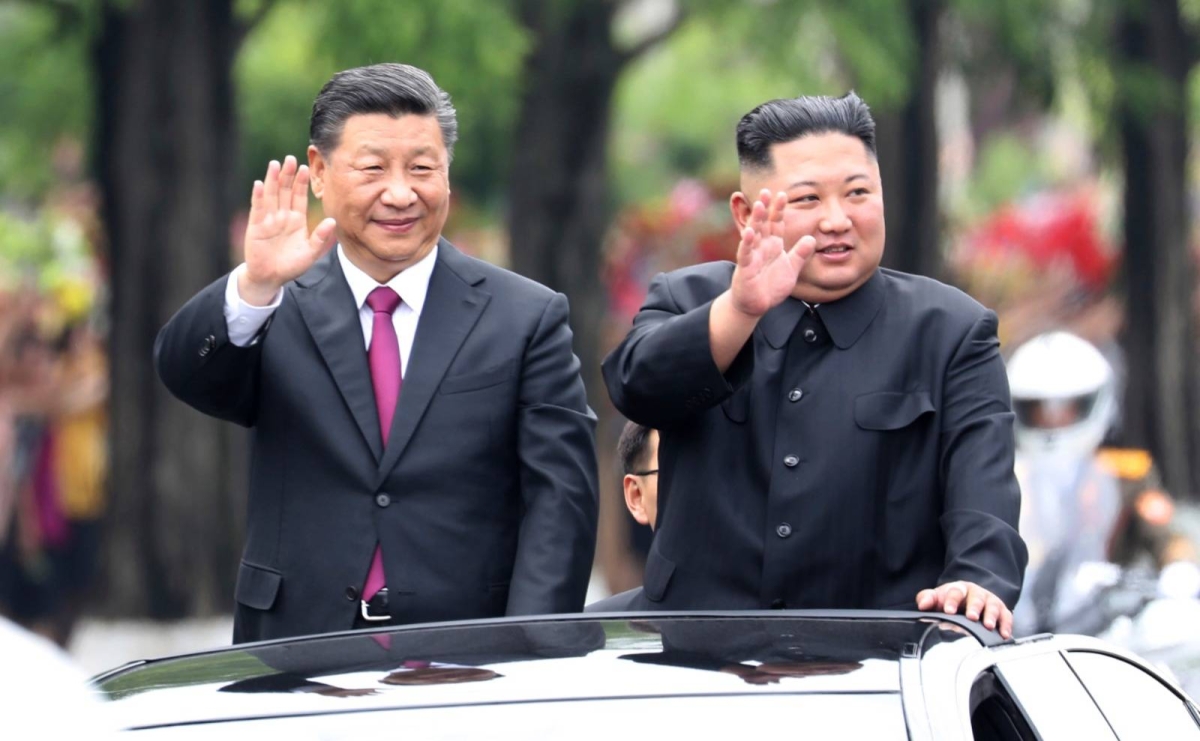
أعلنت كل من كوريا الشمالية والصين، أن الزعيم الكوري الشمالي كيم جونغ أون سيقوم بزيارة نادرة إلى العاصمة الصينية بكين الأسبوع القادم لحضور عرض عسكري ضخم يُقام في ميدان تيانانمين يوم 3 سبتمبر، بمناسبة الذكرى الثمانين لنهاية الحرب العالمية الثانية وانتصار الصين في الحرب ضد اليابان.
ووفقا للسلطات الصينية، سيكون كيم بصحبة الرئيس الروسي فلاديمير بوتين و26 من قادة الدول الأخرى، في حدث يُعد الأول من نوعه الذي يجمع كيم مع قادة عالميين متعددين منذ توليه السلطة في عام 2011.
وأكدت وزارة الخارجية الصينية، عبر مساعد الوزير هونغ لي، أن الصين «ترحب بحرارة» بزيارة كيم، مشيرة إلى «الصداقة التقليدية» بين البلدين. من جانبها، أفادت وكالة الأنباء المركزية الكورية الشمالية أن كيم تلقى دعوة رسمية من الرئيس شي جين بينغ لحضور الاحتفالات.
ونادرا ما يغادر زعيم كوريا الشمالية كيم جونغ أون بلاده، إذ قام بـ10 زيارات خارجية فقط منذ توليه السلطة في عام 2011، معظمها إلى الصين أو روسيا. آخر زيارة له إلى الصين كانت في يناير 2019، بينما زار روسيا في سبتمبر 2023 للقاء الرئيس فلاديمير بوتين.
وسيشهد العرض العسكري، الذي يُعد واحدا من أكبر العروض في السنوات الأخيرة، مشاركة أكثر من 10000 جندي من جيش التحرير الشعبي الصيني، إلى جانب عرض معدات عسكرية متطورة تشمل طائرات مقاتلة، أنظمة دفاع صاروخي، أسلحة تفوق سرعتها سرعة الصوت، وطائرات بدون طيار.
وتأتي زيارة رئيس كوريا الشمالية إلى الصين في وقت حساس، إذ أعرب الرئيس الأمريكي دونالد ترمب أخيرا عن رغبته في لقاء كيم مرة أخرى، بعد فشل محادثات نزع السلاح النووي بينهما في 2018-2019.
ويُنظر إلى حضور كيم للعرض العسكري كمحاولة لتعزيز موقفه الدبلوماسي من خلال إصلاح العلاقات مع الصين، التي تأثرت بتقاربه مع روسيا، وإظهار تضامن مع حلفاء الصين في مواجهة الضغوط الغربية، كما أن غياب معظم القادة الغربيين عن الحدث، باستثناء رئيس وزراء سلوفاكيا روبرت فيكو، يعكس التوترات الجيوسياسية المستمرة، خصوصا مع معارضة الغرب لحضور بوتين بسبب الحرب في أوكرانيا.
وتُعد زيارة كيم إلى بكين بمثابة انتصار دبلوماسي للرئيس شي جين بينغ، إذ تُبرز نفوذه على قادة مثل كيم وبوتين في وقت تسعى فيه واشنطن لإبرام صفقات مع روسيا لإنهاء الحرب في أوكرانيا، كما أنها تُعزز صورة كيم كزعيم عالمي على الساحة الدولية، رغم عزلة كوريا الشمالية.
ومع ذلك، يثير حضور كيم إلى جانب قادة من دول مثل إيران وبيلاروسيا مخاوف الغرب من تشكل «محور اضطراب» يتحدى النظام العالمي بقيادة الولايات المتحدة، في الوقت نفسه، يترقب العالم ما إذا كان الرئيس الكوري الجنوبي لي جاي ميونغ سيحضر العرض، مما قد يوفر فرصة نادرة للقاء بين زعيمي الكوريتين لأول مرة منذ انهيار العلاقات في 2019.
وتُعدّ العلاقات بين كوريا الشمالية والصين واحدة من أقوى التحالفات في المنطقة، إذ تربط البلدين معاهدة دفاع مشتركة منذ عام 1961، مما يجعل الصين الحليف الرسمي الوحيد لكوريا الشمالية، وأيضا الشريك التجاري الأكبر لكوريا الشمالية، إذ تمثل نحو 98% من تجارتها الخارجية في السنوات الأخيرة، وتوفر دعما اقتصاديا وسياسيا حاسما للنظام في بيونغ يانغ رغم العقوبات الدولية المفروضة على كوريا الشمالية منذ عام 2006 بسبب برامجها النووية والصاروخية.
ومع ذلك، شهدت العلاقات بين البلدين توترات في السنوات الأخيرة، خصوصا مع تعزيز كوريا الشمالية لعلاقاتها مع روسيا، إذ قدمت أسلحة وقوات لدعم موسكو في حربها ضد أوكرانيا.
North Korea and China announced that North Korean leader Kim Jong Un will make a rare visit to the Chinese capital Beijing next week to attend a massive military parade taking place in Tiananmen Square on September 3, marking the 80th anniversary of the end of World War II and China's victory in the war against Japan.
According to Chinese authorities, Kim will be accompanied by Russian President Vladimir Putin and 26 other world leaders, in what is considered the first event of its kind that brings Kim together with multiple global leaders since he came to power in 2011.
The Chinese Foreign Ministry, through Assistant Minister Hong Lei, confirmed that China "warmly welcomes" Kim's visit, highlighting the "traditional friendship" between the two countries. For its part, the Korean Central News Agency reported that Kim received an official invitation from President Xi Jinping to attend the celebrations.
North Korean leader Kim Jong Un rarely leaves his country, having made only 10 foreign visits since he took power in 2011, most of which were to China or Russia. His last visit to China was in January 2019, while he visited Russia in September 2023 to meet with President Vladimir Putin.
The military parade, which is considered one of the largest in recent years, will feature the participation of more than 10,000 soldiers from the People's Liberation Army of China, along with a display of advanced military equipment including fighter jets, missile defense systems, hypersonic weapons, and drones.
Kim's visit to China comes at a sensitive time, as U.S. President Donald Trump recently expressed his desire to meet with Kim again, following the failure of nuclear disarmament talks between them in 2018-2019.
Kim's attendance at the military parade is seen as an attempt to bolster his diplomatic position by mending relations with China, which have been affected by his rapprochement with Russia, and to show solidarity with China's allies in the face of Western pressures. The absence of most Western leaders from the event, except for Slovak Prime Minister Robert Fico, reflects ongoing geopolitical tensions, especially with the West's opposition to Putin's attendance due to the war in Ukraine.
Kim's visit to Beijing represents a diplomatic victory for President Xi Jinping, as it highlights his influence over leaders like Kim and Putin at a time when Washington is seeking deals with Russia to end the war in Ukraine. It also enhances Kim's image as a global leader on the international stage, despite North Korea's isolation.
However, Kim's presence alongside leaders from countries like Iran and Belarus raises Western concerns about the formation of a "disruption axis" that challenges the U.S.-led global order. At the same time, the world is watching to see if South Korean President Yoon Suk-yeol will attend the parade, which could provide a rare opportunity for a meeting between the leaders of the two Koreas for the first time since relations collapsed in 2019.
The relationship between North Korea and China is one of the strongest alliances in the region, as the two countries have had a mutual defense treaty since 1961, making China North Korea's only official ally and also its largest trading partner, accounting for about 98% of its foreign trade in recent years. China provides crucial economic and political support to the regime in Pyongyang despite international sanctions imposed on North Korea since 2006 due to its nuclear and missile programs.
However, relations between the two countries have seen tensions in recent years, especially with North Korea strengthening its ties with Russia, as it has provided weapons and troops to support Moscow in its war against Ukraine.