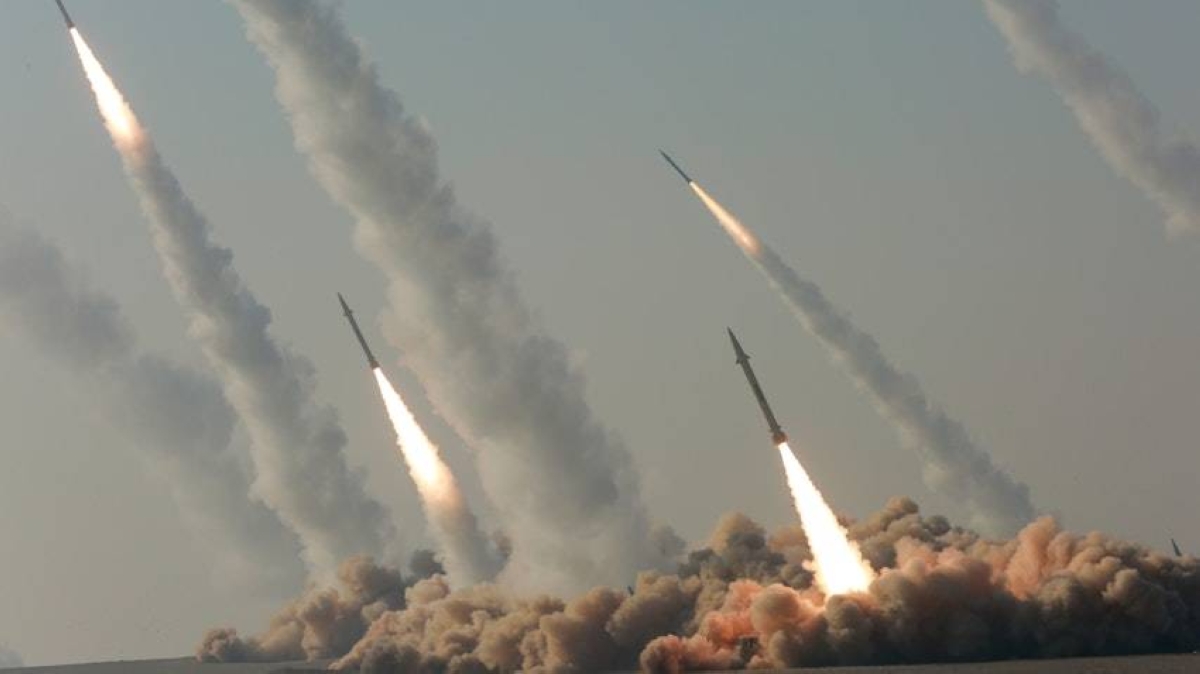
مع مرور ثمانين عاماً على نهاية الحرب العالمية الثانية، يعود شبح الحروب الكبرى ليطل من جديد، مع تحذيرات خبراء جيوسياسيين من احتمال اندلاع صراعات إقليمية أو عالمية خلال السنوات الخمس القادمة. فبحسب تقارير استخباراتية حديثة وتحليلات دولية، يزداد خطر المواجهات المسلحة في مناطق شديدة الحساسية، قد تعيد رسم خرائط النفوذ العالمي وتضع البشرية أمام كوارث غير مسبوقة.
أخطر هذه السيناريوهات يتمثل في الصراع النووي المحتمل بين الهند وباكستان، حيث تبقى كشمير بؤرة توتر قابلة للاشتعال في أي لحظة، بينما تلوح في الأفق مواجهة أخرى بين الهند والصين بسبب النزاعات الحدودية المتجذرة. وفي شرق آسيا، يضع الرئيس الصيني شي جينبينغ عام 2027 موعداً نهائياً لغزو محتمل لتايوان، في خطوة يُنظر إليها باعتبارها مفترق طرق سيحدد مستقبل القيادة العالمية بين بكين وواشنطن.
وفي أوروبا، تتزايد المخاوف من تحرك روسي نحو دول البلطيق الصغيرة، ما قد يضع حلف الناتو أمام اختبار تاريخي، فيما تظل شبه الجزيرة الكورية بؤرة توتر دائمة مع استمرار برنامج بيونغ يانغ النووي. هذه البؤر المشتعلة، إذا انفجرت بشكل متزامن، قد تدفع العالم إلى مرحلة اضطراب غير مسبوقة، تجعل من الحرب العالمية الثالثة احتمالاً لا يمكن استبعاده.
As eighty years pass since the end of World War II, the specter of major wars re-emerges, with warnings from geopolitical experts about the possibility of regional or global conflicts erupting in the next five years. According to recent intelligence reports and international analyses, the risk of armed confrontations in highly sensitive areas is increasing, which could redraw the maps of global influence and place humanity before unprecedented disasters.
The most dangerous of these scenarios is the potential nuclear conflict between India and Pakistan, where Kashmir remains a flashpoint that could ignite at any moment, while another confrontation looms on the horizon between India and China due to entrenched border disputes. In East Asia, Chinese President Xi Jinping has set 2027 as a deadline for a potential invasion of Taiwan, a move seen as a crossroads that will determine the future of global leadership between Beijing and Washington.
In Europe, fears are growing over a possible Russian move towards the small Baltic states, which could put NATO to a historic test, while the Korean Peninsula remains a constant flashpoint with North Korea's nuclear program continuing. These simmering hotspots, if they were to erupt simultaneously, could push the world into an unprecedented state of turmoil, making World War III a possibility that cannot be ruled out.