


يبدو أن فرنسا باتت على أعتاب أزمة سياسية جديدة، من شأنها أن تدخلها مرحلة من عدم الاستقرار السياسي والاقتصادي، إذ طلب رئيس الوزراء فرنسوا بايرو تصويتاً على الثقة من الجمعية الوطنية (مجلس النواب)، قد يطيح بحكومته الشهر القادم.
وفاجأ بايرو الذي يواجه صعوبات، البلاد، أمس (الاثنين)، بإعلانه أنه طلب من الرئيس إيمانويل ماكرون عقد جلسة استثنائية للبرلمان في الـ8 من سبتمبر القادم.
ويحتاج رئيس الحكومة إلى دعم برلماني لفرض إجراءات تقشف من شأنها خفض الدين العام لفرنسا، لكن أحزاب المعارضة الرئيسية، من أقصى اليمين إلى أقصى اليسار، أعلنت رفضها لخطة رئيس الوزراء.
وتزامن الإعلان مع تصاعد الدعوات لإضراب عام في 10 سبتمبر احتجاجاً على مقترح بايرو إجراء اقتطاعات في الميزانية. وأقر عدد من أعضاء الحكومة أن خطوة رئيس الوزراء محفوفة بالمخاطر.
وقال وزير العلاقات مع البرلمان باتريك ميغنولا: «نعم إننا نضع أنفسنا في موقف خطر. وما المشكلة في ذلك؟»، مضيفاً: «فرنسا تستحق ذلك».
وتحتدم المنافسة السياسية في فرنسا قبيل موعد الانتخابات الرئاسية في 2027 مع انتهاء ولاية الرئيس ماكرون الثانية.
وكانت زعيمة أقصى اليمين مارين لوبن، دعت إلى حل البرلمان، في وقت صعّد زعيم حزب «فرنسا الأبية» (أقصى اليسار) جان لوك ميلانشون، الضغط، اليوم (الثلاثاء)، معتبراً أن على ماكرون أن يستقيل إذا خسر بايرو الثقة خلال التصويت. وقال لإذاعة «فرانس إنتر» إنه سيتقدم بمقترح بحجب الثقة عن رئيس الدولة في البرلمان.
وتصاعدت دعوات متكررة للرئيس الفرنسي للاستقالة منذ حل البرلمان العام الماضي. وفي حال خسر بايرو التصويت على الثقة، سيضطر ماكرون للبحث عن رئيس وزراء سيكون السابع في عهده، ما سيرخي بظلاله على العامين المتبقيين من ولايته الرئاسية.
يذكر أن ميشال بارنييه، سلف بايرو، أقيل بعد ثلاثة أشهر فقط من توليه منصبه، عندما تحالف حزب «التجمع الوطني» مع تكتل اليسار، لإسقاط حكومته بسبب ميزانية 2026.
وبعد الإفراط في الإنفاق على مدى سنوات، يتعين على فرنسا السيطرة على عجزها العام وخفض ديونها المتراكمة، وفقاً لقواعد الاتحاد الأوروبي.
ويريد بايرو توفير حوالى 44 مليار يورو (51 مليار دولار) من خلال إجراءات تشمل خفض أيام العطل وتجميد الزيادة في الإنفاق. وفي منتصف يوليو الماضي قدّم بايرو مقترحات ميزانية عام 2026 لكنها لم تحظَ بقبول.
ودعا وزراء اليوم إلى حل وسط، لكن آخرين قالوا إن جميع الخيارات مطروحة.
وتعهد وزير الاقتصاد إريك لومبار بالكفاح لضمان نجاة الحكومة من التصويت على الثقة 8 سبتمبر. وقال: «مسؤوليتنا هي التوصل إلى اتفاق لأن البلاد بحاجة إلى ميزانية».
وحذّر وزير الداخلية برونو ريتايو من أن إسقاط الحكومة سيضرّ بمصالح فرنسا، وحذّر من خطر حدوث أزمة مالية. وقال ريتايو، زعيم حزب «الجمهوريين»: «سيكون من غير المسؤول إغراق البلاد في أزمة مالية كبرى، ستؤثر تداعياتها أولاً على أكثر الفئات ضعفاً».
وانعكست الأزمة السياسية في بورصة باريس الثلاثاء إذ انخفض مؤشر «كاك 40» للأسهم الفرنسية الرائدة بحوالى 2% في التعاملات الصباحية. وانخفضت أسهم البنوك الفرنسية، فيما ارتفع عائد السندات السيادية الفرنسية لأجل 10 سنوات، في مؤشر على تراجع ثقة المستثمرين في ديون فرنسا.
رئيس الوزراء يطرح الثقة بحكومته
فرنسا على أعتاب أزمة سياسية جديدة
26 أغسطس 2025 - 17:03
|
آخر تحديث 26 أغسطس 2025 - 17:03
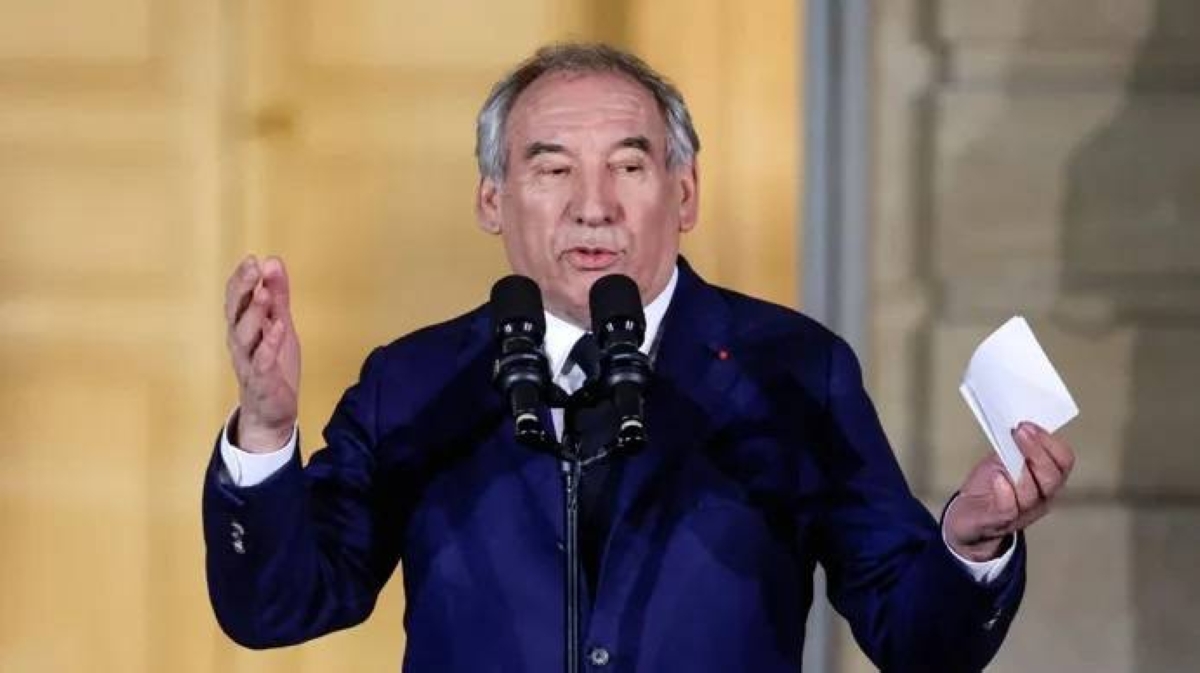
رئيس الوزراء الفرنسي


تابع قناة عكاظ على الواتساب
«عكاظ» (باريس، جدة)
It seems that France is on the brink of a new political crisis, which could lead it into a phase of political and economic instability, as Prime Minister François Bayrou has requested a vote of confidence from the National Assembly (the House of Representatives), which could topple his government next month.
Bayrou, who is facing difficulties, surprised the country yesterday (Monday) by announcing that he had asked President Emmanuel Macron to hold an extraordinary parliamentary session on September 8th.
The Prime Minister needs parliamentary support to impose austerity measures aimed at reducing France's public debt, but the main opposition parties, from the far right to the far left, have announced their rejection of the Prime Minister's plan.
This announcement coincided with rising calls for a general strike on September 10th in protest against Bayrou's proposal to make budget cuts. Several government members acknowledged that the Prime Minister's move is fraught with risks.
Minister for Relations with Parliament Patrick Mignola said, "Yes, we are putting ourselves in a dangerous position. And what’s the problem with that?" adding, "France deserves it."
Political competition is intensifying in France ahead of the presidential elections in 2027, with President Macron's second term coming to an end.
Far-right leader Marine Le Pen has called for the dissolution of Parliament, while far-left leader Jean-Luc Mélenchon of the "France Unbowed" party has ramped up pressure today (Tuesday), stating that Macron should resign if Bayrou loses the confidence vote. He told France Inter radio that he would propose a motion of no confidence against the head of state in Parliament.
Repeated calls for the French president to resign have escalated since the dissolution of Parliament last year. If Bayrou loses the confidence vote, Macron will have to search for a Prime Minister, who would be the seventh in his term, which will cast a shadow over the remaining two years of his presidency.
It is worth noting that Michel Barnier, Bayrou's predecessor, was dismissed just three months after taking office when the National Rally party allied with the left bloc to overthrow his government over the 2026 budget.
After years of excessive spending, France must control its public deficit and reduce its accumulated debts, according to European Union rules.
Bayrou aims to save about 44 billion euros (51 billion dollars) through measures that include reducing holidays and freezing spending increases. In mid-July, Bayrou presented the budget proposals for 2026, but they were not accepted.
Ministers today called for a compromise, but others said that all options are on the table.
Economy Minister Éric Lombard pledged to fight to ensure the government survives the confidence vote on September 8th. He said, "Our responsibility is to reach an agreement because the country needs a budget."
Interior Minister Bruno Retailleau warned that the fall of the government would harm France's interests and warned of the risk of a financial crisis. Retailleau, leader of the Republicans party, stated, "It would be irresponsible to plunge the country into a major financial crisis, the repercussions of which will first affect the most vulnerable groups."
The political crisis reflected in the Paris stock exchange on Tuesday, as the CAC 40 index of leading French stocks fell by about 2% in morning trading. Shares of French banks declined, while the yield on 10-year French sovereign bonds rose, indicating a decrease in investor confidence in France's debt.
Bayrou, who is facing difficulties, surprised the country yesterday (Monday) by announcing that he had asked President Emmanuel Macron to hold an extraordinary parliamentary session on September 8th.
The Prime Minister needs parliamentary support to impose austerity measures aimed at reducing France's public debt, but the main opposition parties, from the far right to the far left, have announced their rejection of the Prime Minister's plan.
This announcement coincided with rising calls for a general strike on September 10th in protest against Bayrou's proposal to make budget cuts. Several government members acknowledged that the Prime Minister's move is fraught with risks.
Minister for Relations with Parliament Patrick Mignola said, "Yes, we are putting ourselves in a dangerous position. And what’s the problem with that?" adding, "France deserves it."
Political competition is intensifying in France ahead of the presidential elections in 2027, with President Macron's second term coming to an end.
Far-right leader Marine Le Pen has called for the dissolution of Parliament, while far-left leader Jean-Luc Mélenchon of the "France Unbowed" party has ramped up pressure today (Tuesday), stating that Macron should resign if Bayrou loses the confidence vote. He told France Inter radio that he would propose a motion of no confidence against the head of state in Parliament.
Repeated calls for the French president to resign have escalated since the dissolution of Parliament last year. If Bayrou loses the confidence vote, Macron will have to search for a Prime Minister, who would be the seventh in his term, which will cast a shadow over the remaining two years of his presidency.
It is worth noting that Michel Barnier, Bayrou's predecessor, was dismissed just three months after taking office when the National Rally party allied with the left bloc to overthrow his government over the 2026 budget.
After years of excessive spending, France must control its public deficit and reduce its accumulated debts, according to European Union rules.
Bayrou aims to save about 44 billion euros (51 billion dollars) through measures that include reducing holidays and freezing spending increases. In mid-July, Bayrou presented the budget proposals for 2026, but they were not accepted.
Ministers today called for a compromise, but others said that all options are on the table.
Economy Minister Éric Lombard pledged to fight to ensure the government survives the confidence vote on September 8th. He said, "Our responsibility is to reach an agreement because the country needs a budget."
Interior Minister Bruno Retailleau warned that the fall of the government would harm France's interests and warned of the risk of a financial crisis. Retailleau, leader of the Republicans party, stated, "It would be irresponsible to plunge the country into a major financial crisis, the repercussions of which will first affect the most vulnerable groups."
The political crisis reflected in the Paris stock exchange on Tuesday, as the CAC 40 index of leading French stocks fell by about 2% in morning trading. Shares of French banks declined, while the yield on 10-year French sovereign bonds rose, indicating a decrease in investor confidence in France's debt.


