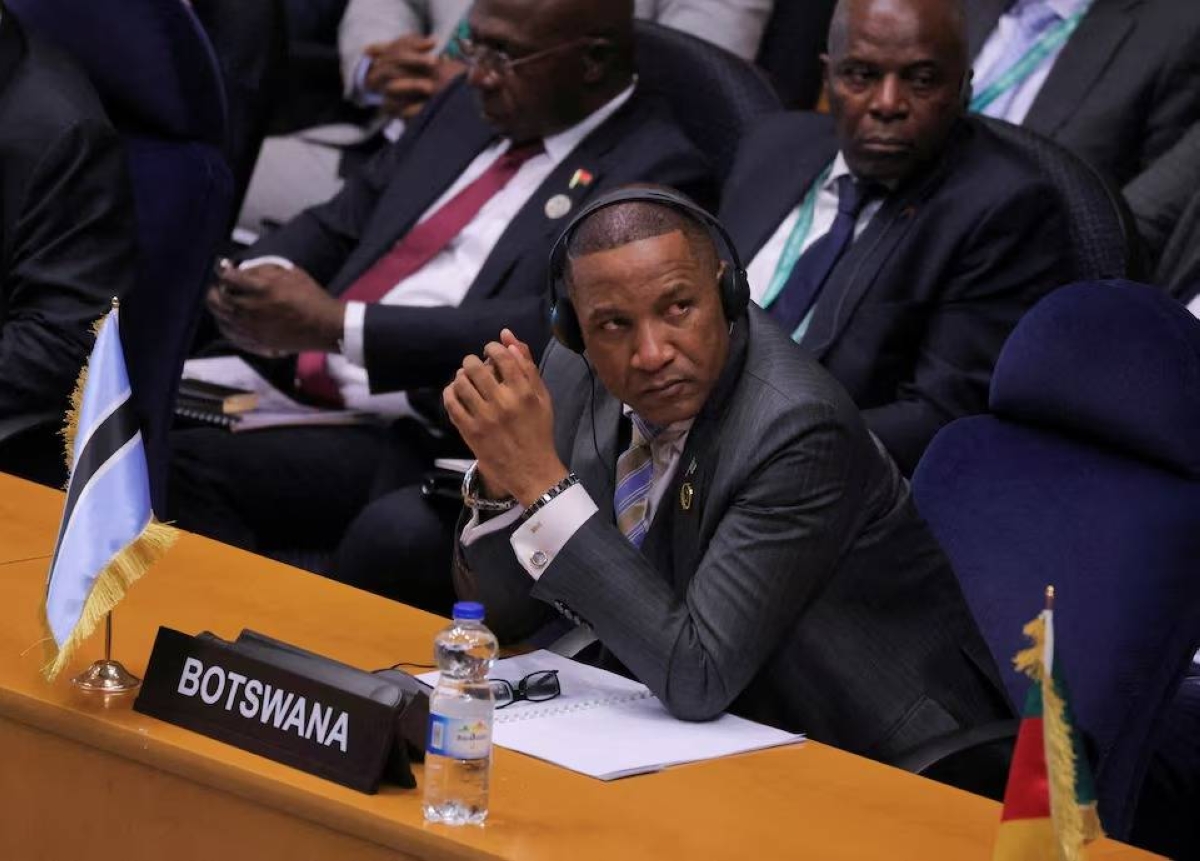
أعلن رئيس بوتسوانا، دوما بوكو، (الإثنين)، حالة طوارئ صحية عامة في البلاد، مشيرا إلى انهيار سلسلة الإمدادات الطبية الوطنية، ما تسبب في نقص حاد في الأدوية والمستلزمات الطبية الأساسية في المستشفيات والعيادات.
وفي خطاب متلفز، أكد بوكو أن الجيش سيتولى الإشراف على عملية توزيع طارئة، وستنطلق أولى الشاحنات المحملة بالأدوية من العاصمة غابورون إلى المناطق النائية.
وكشفت وزارة الصحة في بوتسوانا في وقت سابق من أغسطس 2025 عن مواجهتها تحديات مالية كبيرة، أدت إلى نفاد مخزون الأدوية والمستلزمات الطبية، ما اضطرها إلى تأجيل جميع العمليات الجراحية غير العاجلة.
وأوضح بوكو، أن نظام الإمدادات الطبية المركزي فشل فشلا ذريعا، ما أدى إلى اضطرابات شديدة في توفير المستلزمات الصحية على مستوى البلاد.
وتشمل الأدوية المنفدة تلك المستخدمة لعلاج أمراض مزمنة مثل ارتفاع ضغط الدم، السرطان، السكري، السل، الربو، اضطرابات العين، الصحة الإنجابية، والأمراض النفسية، إلى جانب نقص في الضمادات والخيوط الجراحية.
ووافق مجلس التمويل في بوتسوانا على تخصيص 250 مليون بولا (حوالى 17.35 مليون دولار) كتمويل طارئ لشراء المستلزمات الطبية، وفقا لتصريحات بوكو.
ويعاني اقتصاد بوتسوانا، الذي يعتمد بشكل كبير على صادرات الألماس (المنتج الأول عالميا من حيث القيمة)، من ضغوط مالية بسبب الانخفاض المستمر في سوق الألماس العالمي.
كما ساهمت التخفيضات في التمويل الأمريكي لقطاع الصحة في بوتسوانا، في عهد إدارة الرئيس دونالد ترمب، في تفاقم الأزمة، وفقا لتقارير إخبارية، فيما لم يصدر تعليق فوري من المتحدث باسم الحكومة حول تأثير هذه التخفيضات.
وأشار بوكو، إلى أن أسعار شراء المستلزمات الطبية كانت مرتفعة بشكل غير مبرر، ما زاد من تعقيدات الأزمة، وأوضح أن أنظمة التوزيع الحالية تسببت في خسائر وهدر وتلف المستلزمات.
وكشفت وزارة الصحة في بيان سابق بتاريخ 4 أغسطس 2025 أنها مدينة بمبلغ مليار بولا (حوالى 74.7 مليون دولار) للمرافق الصحية الخاصة والموردين، ما زاد من التحديات التي تواجه القطاع الصحي.
ولتعزيز الاستجابة للأزمة، أعلن بوكو، أن الجيش سيتولى قيادة عملية التوزيع لضمان وصول الأدوية والمستلزمات الطبية إلى المستشفيات والعيادات، خصوصا في المناطق النائية، كما دعا إلى تدخل عاجل من شركة تنمية بوتسوانا، وهي شركة استثمارية مملوكة للدولة، لتوفير تمويل أولي بقيمة 100 مليون بولا، مع مطالبة صناديق التقاعد والتأمين وغيرها من المؤسسات المالية بالمساهمة في التمويل.
وحذرت منظمة الأمم المتحدة للطفولة (يونيسف) من الحاجة إلى اتخاذ إجراءات عاجلة لمعالجة الأزمة الصحية المتفاقمة في بوتسوانا، مشيرة إلى أن واحدا من كل خمسة أطفال في المناطق الغربية القريبة من الحدود مع ناميبيا يعاني من نقص الوزن.
ويُعد هذا الوضع مؤشرا على التداعيات الاجتماعية الخطيرة للأزمة، خصوصا أن 83% من سكان بوتسوانا يعتمدون على النظام الصحي العام، وفقا لتقديرات اتحاد أطباء بوتسوانا.
The President of Botswana, Duma Boko, announced on (Monday) a public health emergency in the country, pointing to the collapse of the national medical supply chain, which has led to a severe shortage of essential medicines and medical supplies in hospitals and clinics.
In a televised address, Boko confirmed that the military would oversee an emergency distribution operation, with the first trucks loaded with medicines departing from the capital, Gaborone, to remote areas.
The Botswana Ministry of Health revealed earlier in August 2025 that it was facing significant financial challenges, leading to a depletion of medical supplies and forcing it to postpone all non-urgent surgical operations.
Boko explained that the central medical supply system had failed miserably, resulting in severe disruptions in the provision of health supplies nationwide.
The depleted medicines include those used to treat chronic diseases such as hypertension, cancer, diabetes, tuberculosis, asthma, eye disorders, reproductive health, and mental illnesses, along with a shortage of bandages and surgical threads.
The Botswana Finance Council approved the allocation of 250 million pula (approximately 17.35 million dollars) as emergency funding to purchase medical supplies, according to Boko's statements.
Botswana's economy, which heavily relies on diamond exports (the world's leading product by value), is under financial pressure due to the ongoing decline in the global diamond market.
Additionally, cuts in U.S. funding for the health sector in Botswana during President Donald Trump's administration have exacerbated the crisis, according to news reports, while there has been no immediate comment from the government spokesperson regarding the impact of these cuts.
Boko pointed out that the prices for purchasing medical supplies were unjustifiably high, complicating the crisis further, and explained that the current distribution systems have caused losses, waste, and damage to supplies.
The Ministry of Health revealed in a previous statement dated August 4, 2025, that it owed one billion pula (approximately 74.7 million dollars) to private health facilities and suppliers, which increased the challenges facing the health sector.
To enhance the response to the crisis, Boko announced that the military would lead the distribution process to ensure that medicines and medical supplies reach hospitals and clinics, especially in remote areas. He also called for urgent intervention from Botswana Development Corporation, a state-owned investment company, to provide initial funding of 100 million pula, while urging pension funds, insurance companies, and other financial institutions to contribute to the funding.
The United Nations Children's Fund (UNICEF) warned of the need for urgent action to address the worsening health crisis in Botswana, noting that one in five children in the western areas near the border with Namibia suffers from malnutrition.
This situation is indicative of the serious social repercussions of the crisis, especially since 83% of Botswana's population relies on the public health system, according to estimates from the Botswana Medical Association.