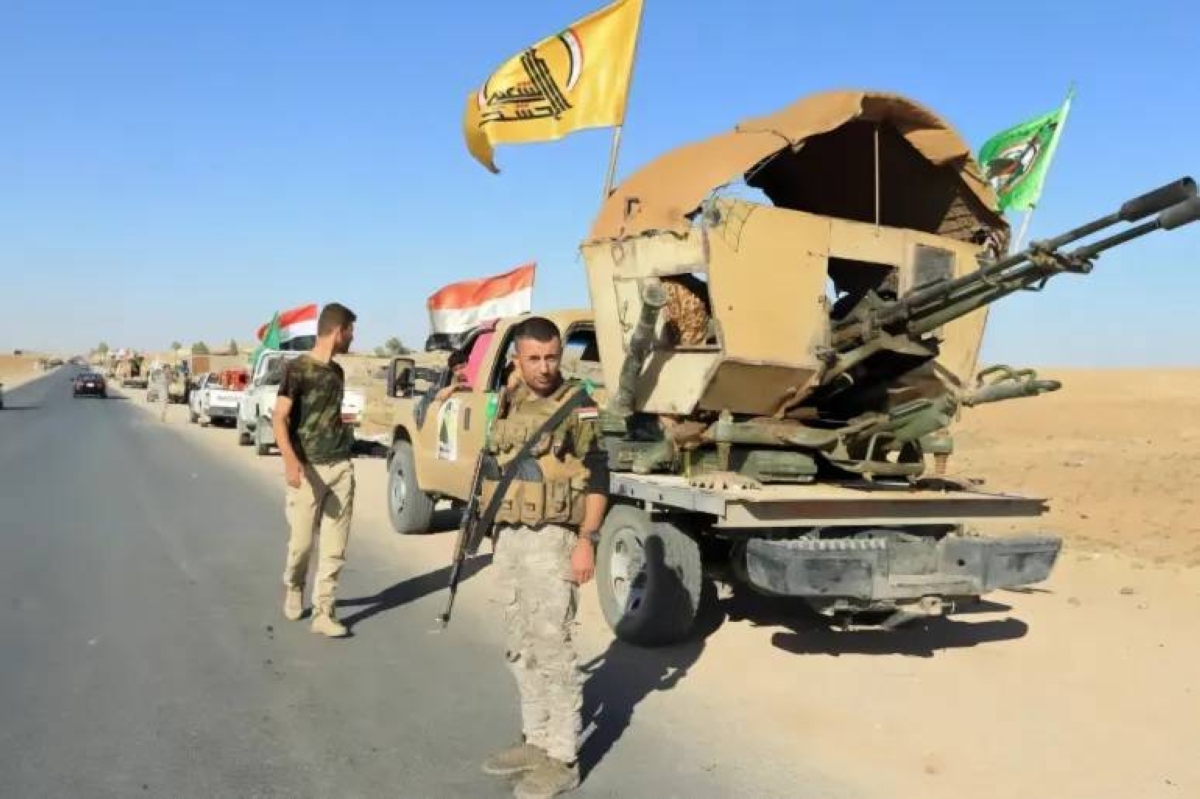
ما يزال البرلمان العراقي يشهد خلافات حادة بسبب قانون الحشد الشعبي، بحسب ما أفصح لـ«عكاظ» النائب جواد اليساري، وعزا عدم تمرير قانون الحشد داخل البرلمان حتى الآن إلى غياب التوافق الشيعي أولاً، واعتراض السنة والأكراد ثانيا.
وقال اليساري إن قانون الحشد حظي بتأييد 116 نائباً شيعياً حتى الآن من أصل نحو 180 نائباً شيعياً في البرلمان، لكن تبقى هناك حاجة إلى نحو 50 نائباً لتمريره.
وحول سبب عدم موافقة النواب الشيعة الآخرين، أوضح أن قانون الحشد الشعبي أثار اختلافاً حتى داخل المكون الشيعي لتمرير هذا القانون، ويترافق هذا الاختلاف مع ضغوط أمريكية على الحكومة العراقية، رغم أن الحشد الشعبي ليس لديه نية لغزو أمريكا أو غيرها من الدول.
وكانت المتحدثة باسم الخارجية الأمريكية تامي بروس أكدت قبل أيام اعتراض واشنطن على سعي البرلمان العراقي لتشريع قانون الحشد الشعبي، واعتبرت أن إقراره سيؤدي إلى تغيّر طبيعة الشراكة الأمنية الثنائية مع بغداد. وجددت الولايات المتحدة، عبر سفارتها في بغداد، قلقها من تمرير قانون الحشد الشعبي.
من جانبه، كشف مسؤول عراقي كبير لـ«عكاظ» أن وفدا أمريكيا سيصل إلى العاصمة بغداد خلال الأيام القليلة القادمة، لبحث ملف انسحاب القوات الأمريكية مع الحكومة العراقية.
وتشهد العلاقة بين الولايات المتحدة والعراق، حالة جمود دبلوماسي، منذ تسلم الرئيس دونالد ترمب المنصب في العشرين من شهر يناير الماضي، إذ اقتصر التواصل واللقاءات على القائم بأعمال السفارة الأمريكية في بغداد ستيفن فاغن، فيما تلقى رئيس الوزراء محمد شياع السوداني اتصالا من وزير الخارجية الأمريكي ماركو روبيو.
بالتزامن مع ذلك، انطلقت أولى مراحل انسحاب قوات التحالف الدولي بقيادة الولايات المتحدة من العراق، وخرج رتل عسكري أمريكي من قاعدة «عين الأسد» باتجاه سورية الإثنين الماضي.
ويستمر جدول انسحاب قوات التحالف الدولي من قاعدة «عين الأسد» وبغداد حتى نهاية سبتمبر 2025، مع نقل جزء منها إلى أربيل والكويت، فيما سينخفض عدد القوات تدريجياً من نحو 2000 إلى أقل من 500 جندي في أربيل.
The Iraqi parliament continues to witness sharp disagreements over the Popular Mobilization Law, according to what Deputy Jawad Al-Yasari disclosed to "Okaz." He attributed the failure to pass the Popular Mobilization Law in parliament so far to the absence of Shiite consensus first, and the objections from Sunnis and Kurds second.
Al-Yasari stated that the Popular Mobilization Law has received support from 116 Shiite deputies so far out of about 180 Shiite deputies in parliament, but there remains a need for around 50 more deputies to pass it.
Regarding the reason for the lack of approval from other Shiite deputies, he clarified that the Popular Mobilization Law has sparked disagreement even within the Shiite component regarding its passage, and this disagreement is accompanied by American pressure on the Iraqi government, despite the fact that the Popular Mobilization does not intend to invade America or any other countries.
Recently, U.S. State Department spokesperson Tami Bruce confirmed Washington's objection to the Iraqi parliament's efforts to legislate the Popular Mobilization Law, considering that its approval would change the nature of the security partnership with Baghdad. The United States, through its embassy in Baghdad, renewed its concern over the passage of the Popular Mobilization Law.
For his part, a senior Iraqi official revealed to "Okaz" that an American delegation will arrive in the capital Baghdad in the coming days to discuss the withdrawal of American forces with the Iraqi government.
The relationship between the United States and Iraq has been in a state of diplomatic stagnation since President Donald Trump took office on January 20, as communication and meetings have been limited to the acting U.S. ambassador in Baghdad, Stephen Fagan, while Prime Minister Mohammed Shia' al-Sudani received a call from U.S. Secretary of State Marco Rubio.
At the same time, the first phases of the withdrawal of the international coalition forces led by the United States from Iraq have begun, with an American military convoy leaving the "Ain al-Asad" base heading towards Syria last Monday.
The schedule for the withdrawal of the international coalition forces from the "Ain al-Asad" base and Baghdad will continue until the end of September 2025, with part of the forces being transferred to Erbil and Kuwait, while the number of troops will gradually decrease from about 2,000 to less than 500 soldiers in Erbil.