


تبادلت الصين وألمانيا الاتهامات، وشنت بكين هجوماً على برلين اليوم (الاثنين)، محذّرة إياها من التحريض على المواجهة وتأجيج التوترات، بعد أن وصف وزير خارجيتها سلوك الصين بأنه «أكثر عدوانية» في منطقة آسيا والمحيط الهادي.
واتهم وزير الخارجية الألماني يوهان فاديفول اليوم الصين بالتهديد بصورة متكررة بتغيير الحدود من جانب واحد في منطقة آسيا والمحيط الهادي، معتبراً أن بكين «تزداد عدوانية».
وقال فاديفول خلال زيارة لليابان إن الصين وجهت تهديدات متكررة بتغيير الوضع القائم من جانب واحد، وتغيير الحدود لتكون في صالحها، لافتاً إلى سلوك الصين في مضيق تايوان وبحري الصين الشرقي والجنوبي.
وبعد محادثات عقدها مع نظيره الياباني تاكيشي إيوايا، قال الوزير الألماني: إن أي تصعيد في هذا المركز الحساس للتجارة الدولية ستكون له عواقب خطيرة على الأمن العالمي واقتصاد العالم.
وفي بيان صدر أمس (الأحد)، قبل زيارة وزير الخارجية الألماني إلى اليابان التي سيتوجّه بعدها إلى إندونيسيا، قال الوزير إن الصين «تؤكد بشكل متزايد على هيمنتها الإقليمية، وعبر قيامها بذلك، تشكك في مبادئ القانون الدولي».
ونقل البيان عن فاديفول قوله: «إن سلوك الصين الذي يزداد عدوانية في مضيق تايوان وبحري الصين الشرقي والجنوبي يحمل تداعيات بالنسبة لنا في أوروبا. المبادئ الأساسية لعيشنا المشترك على المحك هنا».
من جانبها، ردّت المتحدثة باسم وزارة الخارجية الصينية ماو نينغ، الاثنين، في مؤتمر صحفي دوري، مؤكدة أن الوضع في بحري الصين الشرقي والجنوبي «لا يزال مستقراً بشكل عام».
ودعت الأطراف المعنية إلى احترام دول المنطقة، وحل القضايا عبر الحوار والمشاورات والحفاظ على المصلحة المشتركة المتمثلة في السلام والاستقرار، بدلاً من التحريض على المواجهة وتصعيد التوترات. وأكدت أن «مسألة تايوان شأن داخلي صيني».
وسط تبادل الاتهامات
أزمة جديدة بين الصين وألمانيا
18 أغسطس 2025 - 16:45
|
آخر تحديث 18 أغسطس 2025 - 16:45
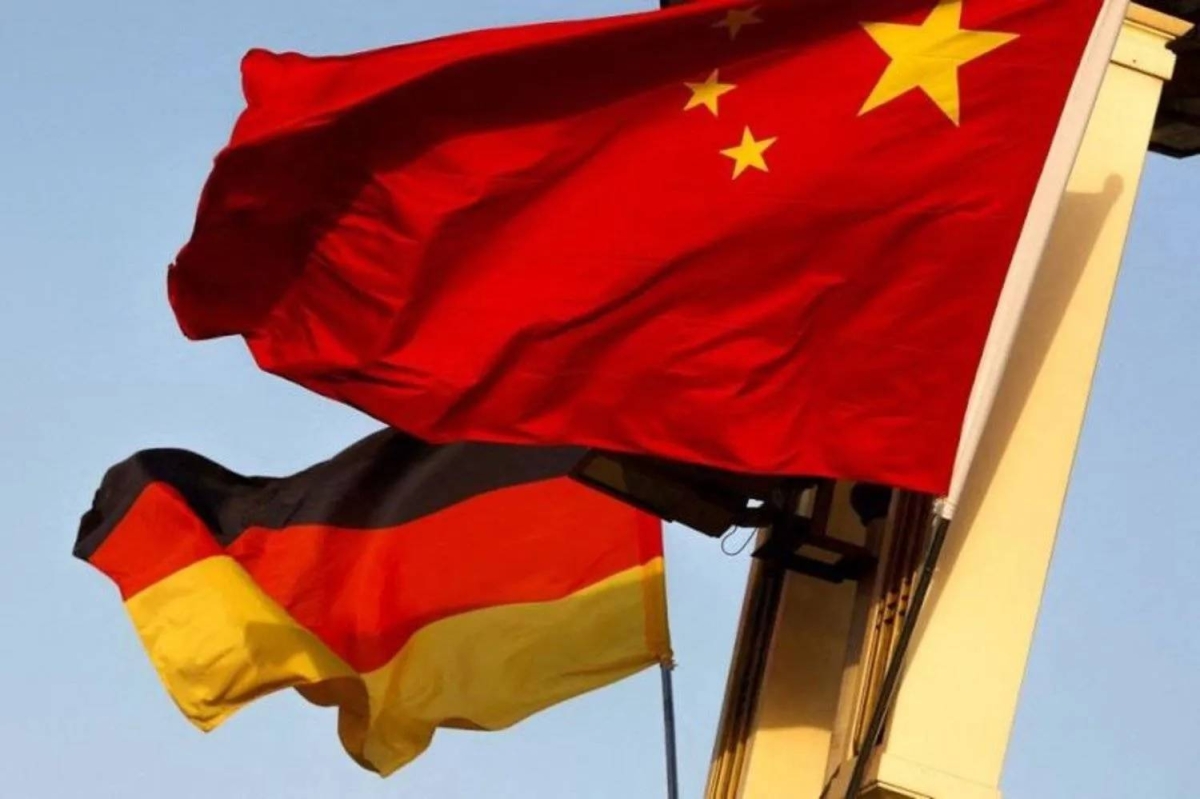
العلمان الألماني والصيني.


تابع قناة عكاظ على الواتساب
«عكاظ» (جدة)okaz_online@
China and Germany exchanged accusations, with Beijing launching an attack on Berlin today (Monday), warning it against inciting confrontation and fueling tensions, after the German Foreign Minister described China's behavior as "more aggressive" in the Asia-Pacific region.
German Foreign Minister Johan Wadephol accused China today of repeatedly threatening to change borders unilaterally in the Asia-Pacific region, considering that Beijing is "becoming more aggressive."
During a visit to Japan, Wadephol stated that China has issued repeated threats to unilaterally change the status quo and alter borders in its favor, pointing to China's behavior in the Taiwan Strait and the East and South China Seas.
After talks with his Japanese counterpart, Takeshi Iwaya, the German minister said that any escalation in this sensitive hub of international trade would have serious consequences for global security and the world economy.
In a statement issued yesterday (Sunday), ahead of the German Foreign Minister's visit to Japan, which will be followed by a trip to Indonesia, the minister said that China is "increasingly asserting its regional dominance, and by doing so, it is questioning the principles of international law."
The statement quoted Wadephol as saying: "China's increasingly aggressive behavior in the Taiwan Strait and the East and South China Seas has implications for us in Europe. The fundamental principles of our shared existence are at stake here."
For her part, Chinese Foreign Ministry spokeswoman Mao Ning responded on Monday at a regular press conference, confirming that the situation in the East and South China Seas "remains generally stable."
She called on the parties involved to respect the countries in the region, resolve issues through dialogue and consultations, and maintain the common interest of peace and stability, rather than inciting confrontation and escalating tensions. She emphasized that "the Taiwan issue is a Chinese internal affair."
German Foreign Minister Johan Wadephol accused China today of repeatedly threatening to change borders unilaterally in the Asia-Pacific region, considering that Beijing is "becoming more aggressive."
During a visit to Japan, Wadephol stated that China has issued repeated threats to unilaterally change the status quo and alter borders in its favor, pointing to China's behavior in the Taiwan Strait and the East and South China Seas.
After talks with his Japanese counterpart, Takeshi Iwaya, the German minister said that any escalation in this sensitive hub of international trade would have serious consequences for global security and the world economy.
In a statement issued yesterday (Sunday), ahead of the German Foreign Minister's visit to Japan, which will be followed by a trip to Indonesia, the minister said that China is "increasingly asserting its regional dominance, and by doing so, it is questioning the principles of international law."
The statement quoted Wadephol as saying: "China's increasingly aggressive behavior in the Taiwan Strait and the East and South China Seas has implications for us in Europe. The fundamental principles of our shared existence are at stake here."
For her part, Chinese Foreign Ministry spokeswoman Mao Ning responded on Monday at a regular press conference, confirming that the situation in the East and South China Seas "remains generally stable."
She called on the parties involved to respect the countries in the region, resolve issues through dialogue and consultations, and maintain the common interest of peace and stability, rather than inciting confrontation and escalating tensions. She emphasized that "the Taiwan issue is a Chinese internal affair."


