


تواجه الانتخابات العراقية المرتقبة في شهر نوفمبر القادم أزمة قانونية ربما تقود إلى تأجيلها، وتمثل الأزمة التي اختبأت فصائل ما تسمى «المقاومة العراقية» خلف نظام البعث في عملية الترشح للانتخابات، إذ تورطت أحزاب شيعية وفصائل مسلحة في ترشيح شخصيات متهمة بالانتماء إلى «حزب البعث المحظور».
ويتهم رئيس فصيل بارز في إحدى المحافظات، وهو مرشح للانتخابات ضمن ما يسمى بـ«المقاومة العراقية»، بالانتماء إلى الحزب المنحل، فيما ظهر اسم نائب سابقة وهي سيدة عن أحد أحزاب «الإطار التنسيقي» ضمن المشمولين بإجراءات «اجتثاث البعث».
وحتى الآن لم تعلن مفوضية الانتخابات استبعاد أي مرشح بتهمة الانتماء إلى «البعث»، لكن التحقيق جار مع أكثر من 400 مرشح يعتقد أنهم مشمولون بإجراءات «المساءلة والعدالة».
وينص القانون العراقي على حظر مشاركة المنتمين إلى «البعث» أو «الأجهزة القمعية» في عهد النظام السابق في الانتخابات، وكان أغلب المبعدين في الدورات السابقة من القوى السنية، التي حاولت مراراً تحويل ملف الاجتثاث إلى القضاء، لكنها فشلت.
وبحسب وثائق مسربة صادرة عن «هيئة المساءلة»، ظهر نحو 200 مرشح مشمول بإجراءات «اجتثاث البعث» في محافظات بغداد، نينوى، كركوك، ديالى، ذي قار، الديوانية، والبصرة.
وأكد رئيس الفريق الإعلامي في مفوضية الانتخابات عماد جميل وجود «قوائم تضمنت طلبات بالاستبعاد من قبل هيئة المساءلة والعدالة»، لكنه أشار إلى أن الاستبعاد لم ينفذ بعد، مضيفا في تصريحات صحفية: «هنالك قوائم ضمت 404 أسماء أخرى طُلب استقدامهم إلى الهيئة بسبب قيود جنائية مرتبطة بالمساءلة والعدالة، ولم يُستبعدوا حتى الآن».
وسبق أن أعلنت المفوضية استبعاد نحو 140 مرشحاً مشمولين بـ«قيود جنائية»، من بينها جرائم قتل وخطف وتزوير عملة، لكن يحق لهم الطعن أمام القضاء.
وتصدر اسم باسم غازي الأمرلي مسؤول «كتائب سيد الشهداء» في كركوك قائمة المشمولين بإجراءات «المساءلة» وهو مرشح ضمن قائمة «إنقاذ تركمان كركوك» التي تضم أحزاباً «إطارية» وفصائل مسلحة أبرزها مجموعة «أبو آلاء الولائي» المنضوية في ما يعرف بـ«المقاومة الإسلامية». وشملت القائمة اثنين آخرين من نفس التحالف في كركوك، إلى جانب أربعة مرشحين من قوائم سنية وكردية.
وفي الديوانية، تضمنت القوائم المسربة 7 مرشحين مشمولين بالإجراءات، 6 منهم من قوى شيعية داخل «الإطار التنسيقي».
ومن بين المشمولين مرشحان من «ائتلاف دولة القانون» التي يرأسها نوري المالكي وهو من أكثر المحذرين من تسلل حزب البعث إلى القرار السياسي ومفاصل الدولة، ومرشح عن منظمة بدر برئاسة هادي العامري، وآخر عن حركة صادقون بزعامة قيس الخزعلي، ومرشح عن «تحالف خدمات» (شبل الزيدي – كتائب الإمام علي)، ومرشح عن «ابشر يا عراق» (المجلس الأعلى الإسلامي – الذي التحق به أخيرا النائب مصطفى سند - أحد أبرز المنتقدين لوجود البعثيين في القوائم الانتخابية.
وفي البصرة، تضمنت القوائم 11 مرشحاً، 10 منهم من قوى شيعية، بينهم: 6 مرشحين من قائمة شبل الزيدي، ومرشح عن المجلس الأعلى، وآخر عن عن ائتلاف المالكي، ومرشح عن بدر، ومرشح عن كتلة قيس الخزعلي، ومرشح عن حركة تصميم (عامر الفايز – حليف المحافظ أسعد العيداني).
أما في بغداد، فقد شملت القوائم 85 مرشحاً، أكثر من نصفهم من قوى شيعية «إطارية» وفصائلية.
ومن أبرز الأسماء: النائب السابقة علية الإمارة (كتلة صادقون – قيس الخزعلي)، ومرشحون عن كتلة «حقوق» (كتائب حزب الله).
وشملت القائمة مرشحين من منظمة بدر المجلس الأعلى تيار الحكمة (عمار الحكيم) وقائمة «العمق الوطني» (حزب الدعوة/تنظيم العراق، وبرزت أسماء في ائتلاف «الأساس» بزعامة محسن المندلاوي، نائب رئيس البرلمان الحالي والقيادي في «الإطار التنسيقي»، وتحالف «شبل الزيدي».
وفي ذي قار، شملت القوائم 8 مرشحين من أصل 10 ينتمون إلى قوى شيعية وفصائل، من بينهم مرشحان عن «صادقون»، ومرشحان عن قائمة «سومريون» (أحمد الأسدي – قائد فصيل جند الإمام- ووزير العمل الحالي)، إضافة إلى مرشحين عن المجلس الأعلى، دولة القانون، وحزب الدعوة.
وتوقع النائب رائد المالكي استبعاد 400 مرشح من السباق الانتخابي لعام 2025، موضحاً أن السبب يعود إلى تطبيق قانون الانتخابات «رقم 12 لسنة 2018 المعدل» لأول مرة، الذي ينص على استبعاد مرتكبي الجرائم المخلة بالشرف والفساد المالي والإداري. وتفعيل أحكام المساءلة والعدالة، بعد سنوات من «التساهل وغض النظر»، بحسب بيان صدر عن النائب.
وسبق أن سربت أنباء عن شمول شخصيات بارزة، منها: خميس الخنجر (رئيس حزب السيادة)، نجم الجبوري (قائد عسكري سابق ومحافظ نينوى المستقيل 2023)، وعبد الغني الأسدي (رئيس جهاز مكافحة الإرهاب السابق ومحافظ ذي قار 2021).
كما تداولت أسماء مبعدة من قائمة رئيس الحكومة محمد شياع السوداني (الإعمار والتنمية)، أبرزهم إسماعيل الهلوب (مسؤول سابق في صلاح الدين)، النائب الحالي هيثم الزهوان، والنائب السابق مزاحم التميمي.
وشملت التسريبات اسم إياد علاوي (أول رئيس وزراء بعد 2003 وزعيم ائتلاف الوطنية المتحالف حالياً مع السوداني)، قبل أن ينفي علاوي تلك الأنباء.
جماعات مسلحة تختبئ خلف «البعث المنحل»
أزمة قانونية تهدد الانتخابات العراقية
18 أغسطس 2025 - 13:42
|
آخر تحديث 18 أغسطس 2025 - 13:42
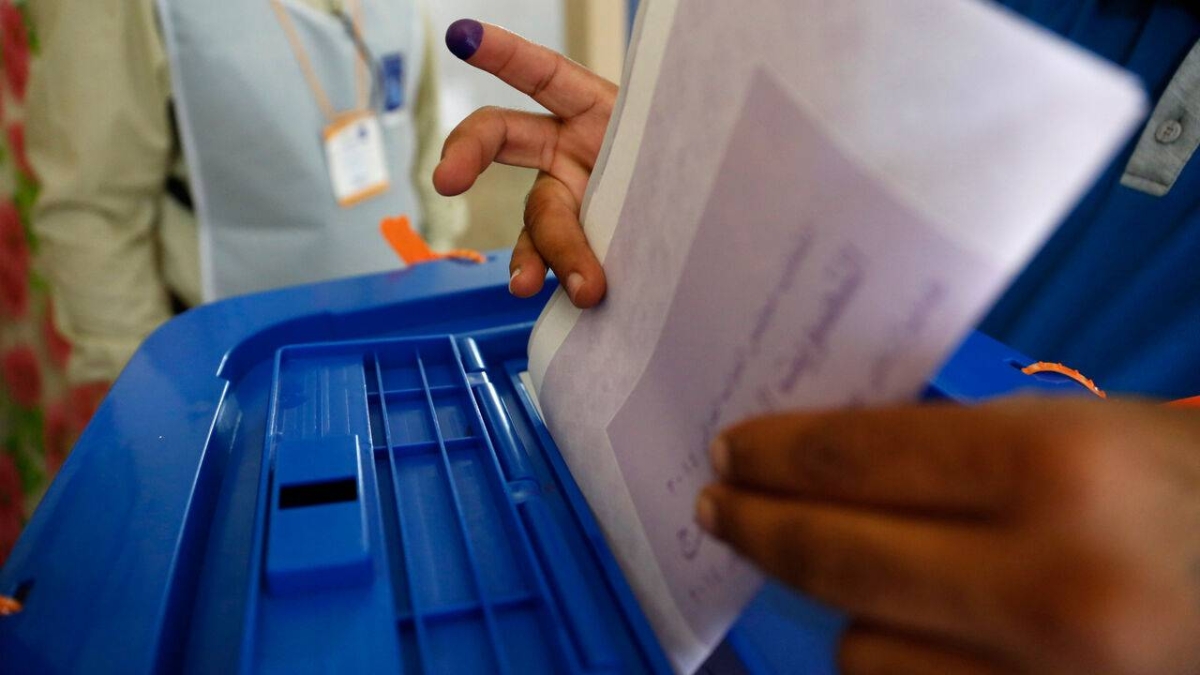
لم تعلن مفوضية الانتخابات بعد استبعاد أي مرشح بتهمة الانتماء إلى «البعث»، لكن التحقيق يجري مع أكثر من 400 مرشح .


تابع قناة عكاظ على الواتساب
رياض منصور (بغداد)okaz_online@
The upcoming Iraqi elections in November face a legal crisis that may lead to their postponement. This crisis is represented by factions known as the "Iraqi Resistance," which have hidden behind the Baath regime in the election nomination process, as Shiite parties and armed factions have become involved in nominating individuals accused of belonging to the "banned Baath Party."
The leader of a prominent faction in one of the provinces, who is a candidate in the elections under the so-called "Iraqi Resistance," is accused of belonging to the dissolved party, while the name of a former female deputy from one of the "Coordination Framework" parties has appeared among those included in the "de-Baathification" procedures.
So far, the Electoral Commission has not announced the exclusion of any candidate on the grounds of belonging to the "Baath," but investigations are ongoing with more than 400 candidates believed to be subject to "accountability and justice" procedures.
Iraqi law prohibits the participation of those affiliated with the "Baath" or "repressive apparatuses" from the previous regime in elections. Most of those excluded in previous rounds were from Sunni forces, which have repeatedly tried to refer the de-Baathification file to the judiciary but have failed.
According to leaked documents from the "Accountability Commission," about 200 candidates subject to "de-Baathification" procedures have emerged in the provinces of Baghdad, Nineveh, Kirkuk, Diyala, Dhi Qar, Diwaniya, and Basra.
The head of the media team at the Electoral Commission, Imad Jamil, confirmed the existence of "lists that included requests for exclusion from the Accountability and Justice Commission," but he indicated that the exclusions have not yet been implemented. He added in press statements: "There are lists that included 404 other names requested to be brought to the commission due to criminal restrictions related to accountability and justice, and they have not been excluded yet."
The commission had previously announced the exclusion of about 140 candidates who are subject to "criminal restrictions," including crimes of murder, kidnapping, and counterfeiting currency, but they have the right to appeal in court.
The name of Basim Ghazi Al-Amrli, the head of the "Sayyid al-Shuhada Brigades" in Kirkuk, topped the list of those subject to "accountability" procedures, and he is a candidate in the "Save Turkmen Kirkuk" list, which includes "Coordination Framework" parties and armed factions, most notably the "Abu Alaa Al-Walai" group, which is part of what is known as the "Islamic Resistance." The list also included two others from the same coalition in Kirkuk, along with four candidates from Sunni and Kurdish lists.
In Diwaniya, the leaked lists included 7 candidates subject to the procedures, 6 of whom are from Shiite forces within the "Coordination Framework."
Among those included are two candidates from the "State of Law Coalition," led by Nouri al-Maliki, who is one of the most vocal warners against the infiltration of the Baath Party into political decision-making and state institutions, a candidate from the Badr Organization headed by Hadi al-Amiri, another from the Sadikun Movement led by Qais Khazali, a candidate from the "Services Alliance" (Shibl Al-Zaydi – Imam Ali Brigades), and a candidate from "Abshir Ya Iraq" (the Supreme Islamic Council – which recently included Deputy Mustafa Sand, one of the most prominent critics of the presence of Baathists in the electoral lists.
In Basra, the lists included 11 candidates, 10 of whom are from Shiite forces, including: 6 candidates from the Shibl Al-Zaydi list, a candidate from the Supreme Council, another from the Maliki Coalition, a candidate from Badr, a candidate from Qais Khazali's bloc, and a candidate from the Tasmeem Movement (Amer Al-Fayez – an ally of the governor Asaad Al-Eidani).
In Baghdad, the lists included 85 candidates, more than half of whom are from "Coordination Framework" and factional Shiite forces.
Among the prominent names are former deputy Alia Al-Imara (Sadikun Bloc – Qais Khazali), and candidates from the "Rights" Bloc (Hezbollah Brigades).
The list included candidates from the Badr Organization, the Supreme Council, the Wisdom Movement (Ammar Al-Hakim), and the "National Depth" list (Dawa Party/Iraq Organization), with names emerging in the "Foundation" coalition led by Mohsen Al-Mandalawi, the current Deputy Speaker of Parliament and a leader in the "Coordination Framework," and the Shibl Al-Zaydi Alliance.
In Dhi Qar, the lists included 8 candidates out of 10 who belong to Shiite forces and factions, including two candidates from "Sadikun," and two candidates from the "Sumarians" list (Ahmed Al-Asadi – commander of the Imam's Soldiers faction – and the current Minister of Labor), in addition to candidates from the Supreme Council, State of Law, and the Dawa Party.
Deputy Raed Al-Maliki expected the exclusion of 400 candidates from the electoral race for 2025, explaining that the reason is the application of the "Amended Election Law No. 12 of 2018" for the first time, which stipulates the exclusion of perpetrators of crimes against honor and financial and administrative corruption. And the activation of the provisions of accountability and justice, after years of "leniency and negligence," according to a statement issued by the deputy.
There have been previous leaks about the inclusion of prominent figures, including: Khamis Al-Khanjar (head of the Sovereignty Party), Najm Al-Jabouri (former military leader and resigned Nineveh governor in 2023), and Abdul Ghani Al-Asadi (former head of the Counter-Terrorism Service and Dhi Qar governor in 2021).
Names of those excluded from the list of Prime Minister Mohammed Shia Al-Sudani (Reconstruction and Development) were also circulated, most notably Ismail Al-Haloub (former official in Salah al-Din), current deputy Haitham Al-Zahwan, and former deputy Mazahim Al-Tamimi.
The leaks included the name of Iyad Allawi (the first Prime Minister after 2003 and leader of the National Coalition currently allied with Al-Sudani), before Allawi denied that news.
The leader of a prominent faction in one of the provinces, who is a candidate in the elections under the so-called "Iraqi Resistance," is accused of belonging to the dissolved party, while the name of a former female deputy from one of the "Coordination Framework" parties has appeared among those included in the "de-Baathification" procedures.
So far, the Electoral Commission has not announced the exclusion of any candidate on the grounds of belonging to the "Baath," but investigations are ongoing with more than 400 candidates believed to be subject to "accountability and justice" procedures.
Iraqi law prohibits the participation of those affiliated with the "Baath" or "repressive apparatuses" from the previous regime in elections. Most of those excluded in previous rounds were from Sunni forces, which have repeatedly tried to refer the de-Baathification file to the judiciary but have failed.
According to leaked documents from the "Accountability Commission," about 200 candidates subject to "de-Baathification" procedures have emerged in the provinces of Baghdad, Nineveh, Kirkuk, Diyala, Dhi Qar, Diwaniya, and Basra.
The head of the media team at the Electoral Commission, Imad Jamil, confirmed the existence of "lists that included requests for exclusion from the Accountability and Justice Commission," but he indicated that the exclusions have not yet been implemented. He added in press statements: "There are lists that included 404 other names requested to be brought to the commission due to criminal restrictions related to accountability and justice, and they have not been excluded yet."
The commission had previously announced the exclusion of about 140 candidates who are subject to "criminal restrictions," including crimes of murder, kidnapping, and counterfeiting currency, but they have the right to appeal in court.
The name of Basim Ghazi Al-Amrli, the head of the "Sayyid al-Shuhada Brigades" in Kirkuk, topped the list of those subject to "accountability" procedures, and he is a candidate in the "Save Turkmen Kirkuk" list, which includes "Coordination Framework" parties and armed factions, most notably the "Abu Alaa Al-Walai" group, which is part of what is known as the "Islamic Resistance." The list also included two others from the same coalition in Kirkuk, along with four candidates from Sunni and Kurdish lists.
In Diwaniya, the leaked lists included 7 candidates subject to the procedures, 6 of whom are from Shiite forces within the "Coordination Framework."
Among those included are two candidates from the "State of Law Coalition," led by Nouri al-Maliki, who is one of the most vocal warners against the infiltration of the Baath Party into political decision-making and state institutions, a candidate from the Badr Organization headed by Hadi al-Amiri, another from the Sadikun Movement led by Qais Khazali, a candidate from the "Services Alliance" (Shibl Al-Zaydi – Imam Ali Brigades), and a candidate from "Abshir Ya Iraq" (the Supreme Islamic Council – which recently included Deputy Mustafa Sand, one of the most prominent critics of the presence of Baathists in the electoral lists.
In Basra, the lists included 11 candidates, 10 of whom are from Shiite forces, including: 6 candidates from the Shibl Al-Zaydi list, a candidate from the Supreme Council, another from the Maliki Coalition, a candidate from Badr, a candidate from Qais Khazali's bloc, and a candidate from the Tasmeem Movement (Amer Al-Fayez – an ally of the governor Asaad Al-Eidani).
In Baghdad, the lists included 85 candidates, more than half of whom are from "Coordination Framework" and factional Shiite forces.
Among the prominent names are former deputy Alia Al-Imara (Sadikun Bloc – Qais Khazali), and candidates from the "Rights" Bloc (Hezbollah Brigades).
The list included candidates from the Badr Organization, the Supreme Council, the Wisdom Movement (Ammar Al-Hakim), and the "National Depth" list (Dawa Party/Iraq Organization), with names emerging in the "Foundation" coalition led by Mohsen Al-Mandalawi, the current Deputy Speaker of Parliament and a leader in the "Coordination Framework," and the Shibl Al-Zaydi Alliance.
In Dhi Qar, the lists included 8 candidates out of 10 who belong to Shiite forces and factions, including two candidates from "Sadikun," and two candidates from the "Sumarians" list (Ahmed Al-Asadi – commander of the Imam's Soldiers faction – and the current Minister of Labor), in addition to candidates from the Supreme Council, State of Law, and the Dawa Party.
Deputy Raed Al-Maliki expected the exclusion of 400 candidates from the electoral race for 2025, explaining that the reason is the application of the "Amended Election Law No. 12 of 2018" for the first time, which stipulates the exclusion of perpetrators of crimes against honor and financial and administrative corruption. And the activation of the provisions of accountability and justice, after years of "leniency and negligence," according to a statement issued by the deputy.
There have been previous leaks about the inclusion of prominent figures, including: Khamis Al-Khanjar (head of the Sovereignty Party), Najm Al-Jabouri (former military leader and resigned Nineveh governor in 2023), and Abdul Ghani Al-Asadi (former head of the Counter-Terrorism Service and Dhi Qar governor in 2021).
Names of those excluded from the list of Prime Minister Mohammed Shia Al-Sudani (Reconstruction and Development) were also circulated, most notably Ismail Al-Haloub (former official in Salah al-Din), current deputy Haitham Al-Zahwan, and former deputy Mazahim Al-Tamimi.
The leaks included the name of Iyad Allawi (the first Prime Minister after 2003 and leader of the National Coalition currently allied with Al-Sudani), before Allawi denied that news.


