ارتفعت حصيلة ضحايا الفيضانات في باكستان إلى 110 أشخاص على الأقل، بحسب ما أعلنت هيئات إدارة الكوارث اليوم (الجمعة).
وسُجلت غالبية الوفيات في ولاية خيبر بختونخوا الجبلية، إذ قُتل 43 شخصاً حسب هيئة إدارة الكوارث في الولاية. وقُتل 7 أشخاص آخرون في الشطر الذي تديره باكستان من كشمير، وفق هيئة إدارة الكوارث في الإقليم.
وجرفت الأمطار العديد من المنازل في منطقة باجور (شمال غرب)، ما أدى إلى مقتل 18 شخصاً وتشريد عدد آخر.
وحذرت دائرة الأرصاد الجوية من تساقط أمطار غزيرة على المناطق الشمالية الغربية، ودعت المواطنين إلى تجنب التواجد غير الضروري في مناطق معرضة للخطر.
وأدت الأمطار الغزيرة التي تضرب باكستان منذ بداية فترة الأمطار الموسمية الصيفية، التي وصفتها السلطات بأنها «غير عادية»، إلى مقتل أكثر من 320 شخصاً نصفهم تقريباً من الأطفال. وكانت معظم الوفيات ناجمة عن انهيار منازل وفيضانات مفاجئة وصعقات كهربائية.
وسجّل إقليم البنجاب في يوليو الماضي، الذي يضم نحو نصف سكان باكستان البالغ عددهم 255 مليون نسمة، زيادة في هطول الأمطار بنسبة 73% مقارنة بالعام السابق، وشهد عدد وفيات أكبر، مقارنة بموسم الأمطار السابق بأكمله.
وتشير بعض الدراسات إلى أن باكستان تعد إحدى أكثر دول العالم عرضة لتداعيات تغير المناخ، وفي عام 2022 اجتاحت فيضانات في موسم الأمطار ثلث مساحة البلاد، وأودت بحياة 1700 شخص.
وفي الجزء الخاضع للسيطرة الهندية من إقليم كشمير ارتفع عدد الوفيات إلى 60 شخصاً على الأقل، بينما أُصيب أكثر من 100 آخرين، وما زال 200 في عداد المفقودين، إثر سيول وانهيارات طينية اجتاحت قرية تشوسيتي الواقعة في جبال هيمالايا بمنطقة كيشتوار بكشمير.
وأفاد الخبراء بأن العواصف المطرية ازدادت في المنطقة خلال السنوات الأخيرة جزئياً بسبب الاحتباس الحراري وتغير المناخ، في حين ازدادت الأضرار الناجمة عن العواصف أيضاً بسبب غياب خطط واضحة للتنمية في المناطق الجبلية.
قتلى ومفقودون بالمئات في فيضانات باكستان
15 أغسطس 2025 - 17:26
|
آخر تحديث 15 أغسطس 2025 - 17:26
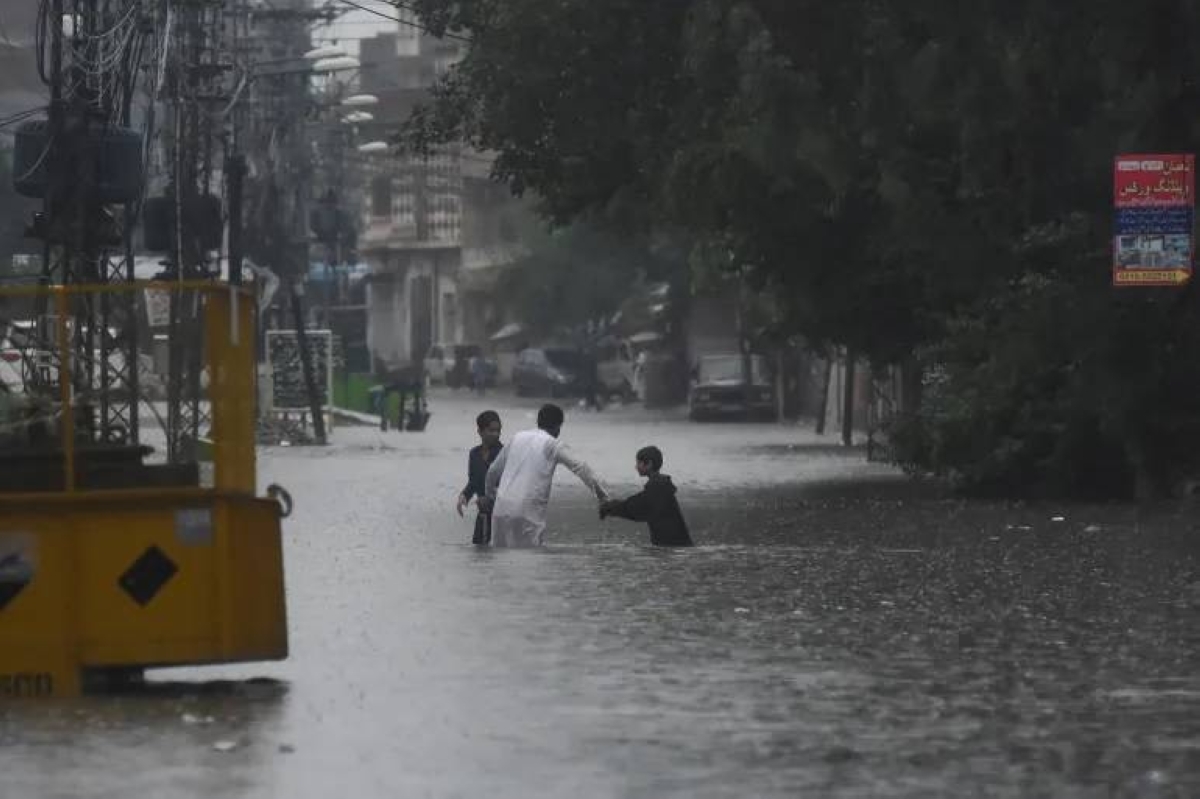
أمطار غزيرة تضرب باكستان منذ بداية فترة الأمطار الموسمية الصيفية.


تابع قناة عكاظ على الواتساب
«عكاظ» (جدة) okaz_online@
The death toll from the floods in Pakistan has risen to at least 110 people, according to disaster management authorities announced today (Friday).
Most of the fatalities were recorded in the mountainous Khyber Pakhtunkhwa province, where 43 people were killed according to the provincial disaster management authority. Seven other people were killed in the Pakistan-administered part of Kashmir, according to the disaster management authority in the region.
The rains swept away many homes in the Bajaur area (northwest), resulting in the deaths of 18 people and displacing several others.
The meteorological department warned of heavy rainfall in the northwestern regions and urged citizens to avoid unnecessary presence in hazardous areas.
The heavy rains that have been hitting Pakistan since the beginning of the summer monsoon season, described by authorities as "unusual," have led to the deaths of more than 320 people, nearly half of whom are children. Most of the fatalities were due to house collapses, flash floods, and electrocutions.
The Punjab province recorded a 73% increase in rainfall in July compared to the previous year, which includes about half of Pakistan's population of 255 million, and experienced a higher number of deaths compared to the entire previous monsoon season.
Some studies indicate that Pakistan is one of the countries most vulnerable to the impacts of climate change, and in 2022, floods during the monsoon season swept across a third of the country, claiming the lives of 1,700 people.
In the Indian-administered part of Kashmir, the death toll has risen to at least 60 people, while more than 100 others were injured, and 200 are still missing, following floods and landslides that swept through the Chouseti village located in the Himalayas in the Kishtwar region of Kashmir.
Experts reported that rainstorms have increased in the region in recent years partly due to global warming and climate change, while the damage caused by storms has also increased due to the lack of clear development plans in mountainous areas.
Most of the fatalities were recorded in the mountainous Khyber Pakhtunkhwa province, where 43 people were killed according to the provincial disaster management authority. Seven other people were killed in the Pakistan-administered part of Kashmir, according to the disaster management authority in the region.
The rains swept away many homes in the Bajaur area (northwest), resulting in the deaths of 18 people and displacing several others.
The meteorological department warned of heavy rainfall in the northwestern regions and urged citizens to avoid unnecessary presence in hazardous areas.
The heavy rains that have been hitting Pakistan since the beginning of the summer monsoon season, described by authorities as "unusual," have led to the deaths of more than 320 people, nearly half of whom are children. Most of the fatalities were due to house collapses, flash floods, and electrocutions.
The Punjab province recorded a 73% increase in rainfall in July compared to the previous year, which includes about half of Pakistan's population of 255 million, and experienced a higher number of deaths compared to the entire previous monsoon season.
Some studies indicate that Pakistan is one of the countries most vulnerable to the impacts of climate change, and in 2022, floods during the monsoon season swept across a third of the country, claiming the lives of 1,700 people.
In the Indian-administered part of Kashmir, the death toll has risen to at least 60 people, while more than 100 others were injured, and 200 are still missing, following floods and landslides that swept through the Chouseti village located in the Himalayas in the Kishtwar region of Kashmir.
Experts reported that rainstorms have increased in the region in recent years partly due to global warming and climate change, while the damage caused by storms has also increased due to the lack of clear development plans in mountainous areas.