


كشفت صحيفة «واشنطن بوست» أن إسرائيل تواجه انقساما غير مسبوق بين العسكر والساسة، بسبب خطة رئيس الوزراء بنيامين نتنياهو لاحتلال مدينة غزة بالكامل.
وأفادت الصحيفة الأمريكية بأن نتنياهو على قادة الجيش خطة سريعة وحاسمة للسيطرة الكاملة على غزة، مدفوعاً بضغوط قوية من أجنحة اليمين المتشدد في حكومته، التي ترى في الاحتلال الشامل حلًا نهائيًا لوجود حركة حماس، لكن كبار الضباط في هيئة الأركان اعترضوا بشدة، محذرين من أن أي عملية واسعة النطاق بدون خطة لما بعد الحرب قد تتحول إلى مستنقع عسكري وسياسي على غرار تجربة لبنان عام 1982.
ونقلت الصحيفة عن مصادر مطلعة قولها: إن القادة العسكريين أوضحوا أن السيطرة على مدينة مكتظة بالسكان مثل غزة تتطلب انتشارًا طويل الأمد لعشرات الآلاف من الجنود، مع ارتفاع كبير في احتمالات الخسائر البشرية نتيجة القتال في بيئة شديدة التعقيد.
وأكدت أن الخطة في حال تنفيذها ستواجه انتقادات شديدة من حلفاء رئيسيين لإسرائيل، بينهم الولايات المتحدة وبعض الدول الأوروبية، التي تخشى من تفاقم الأزمة الإنسانية في غزة، ما قد يفاقم الضغوط على الحكومات الغربية للتدخل أو فرض قيود على الدعم العسكري لإسرائيل.
وأمام هذا المأزق، تقول الصحيفة، تم التوصل إلى صيغة وسط تقضي بتوسيع السيطرة الإسرائيلية في غزة بنسبة 10% فقط خلال المرحلة الحالية، مع إعادة تقييم الخطط في ضوء التطورات الميدانية. لكن هذا الحل المؤقت لا يُخفي حقيقة الانقسام العميق بين القيادة السياسية والعسكرية، والذي قد يتجدد مع أي تصعيد مقبل.
ونقلت «واشنطن بوست» عن المصادر تأكيدها أن العملية التدريجية ستشمل أقل من نصف الفرق الخمس اللازمة لاحتلال كامل غزة. وسيبدأ الغزو البري ببطء وبعد إجلاء نحو مليون من السكان، الذين نزح كثير منهم عدة مرات، بحلول سبتمبر القادم.
وتؤكد المصادر أن هذا القرار يعكس تراجعًا من جانب نتنياهو بعد أقل من 12 ساعة من إعلانه لقناة «فوكس نيوز» أنه يعتزم استعادة غزة بأكملها، التي احتلتها إسرائيل بين عامي 1967 و2005.
وأثار تراجع نتنياهو إحباط حلفائه في اليمين المتطرف. وقال نمرود نوفيك، مستشار رئيس الوزراء السابق شمعون بيريز وزميل في «منتدى السياسة الإسرائيلية» بنيويورك، إن المؤسسة الأمنية «دفعت نتنياهو إلى تقليص نطاق الخطة بشكل كبير»، لافتا إلى أنه لو قرر مجلس الوزراء فرض الاحتلال الكامل على قادة الجيش، لكانت هذه أول مرة يتجاهل فيها المستوى السياسي القرار العسكري المهني بالإجماع.
وكشف مسؤول عسكري إسرائيلي كبير سابق، أن القلق يتزايد لدى بعض الضباط من أن الحرب المطولة تلحق ضررًا طويل الأمد بمكانة إسرائيل.
ولفت إلى أن كبار مسؤولي الدفاع شعروا بالقلق الأسبوع الماضي عندما أعلنت ألمانيا، الحليف الوثيق، أنها ستوقف تصدير المعدات العسكرية التي يمكن استخدامها في غزة لأنها ستشمل المحركات المستخدمة في دبابات ميركافا والمركبات المدرعة الإسرائيلية. وتوقعوا أن الجيش قد يقاوم قدر الإمكان، أوامر الحكومة المتطرفة، وفقا لتقرير الصحيفة.
خلافات بين نتنياهو وقادة جيش الاحتلال
صدام إسرائيلي حول خطة احتلال غزة
12 أغسطس 2025 - 13:07
|
آخر تحديث 12 أغسطس 2025 - 13:07
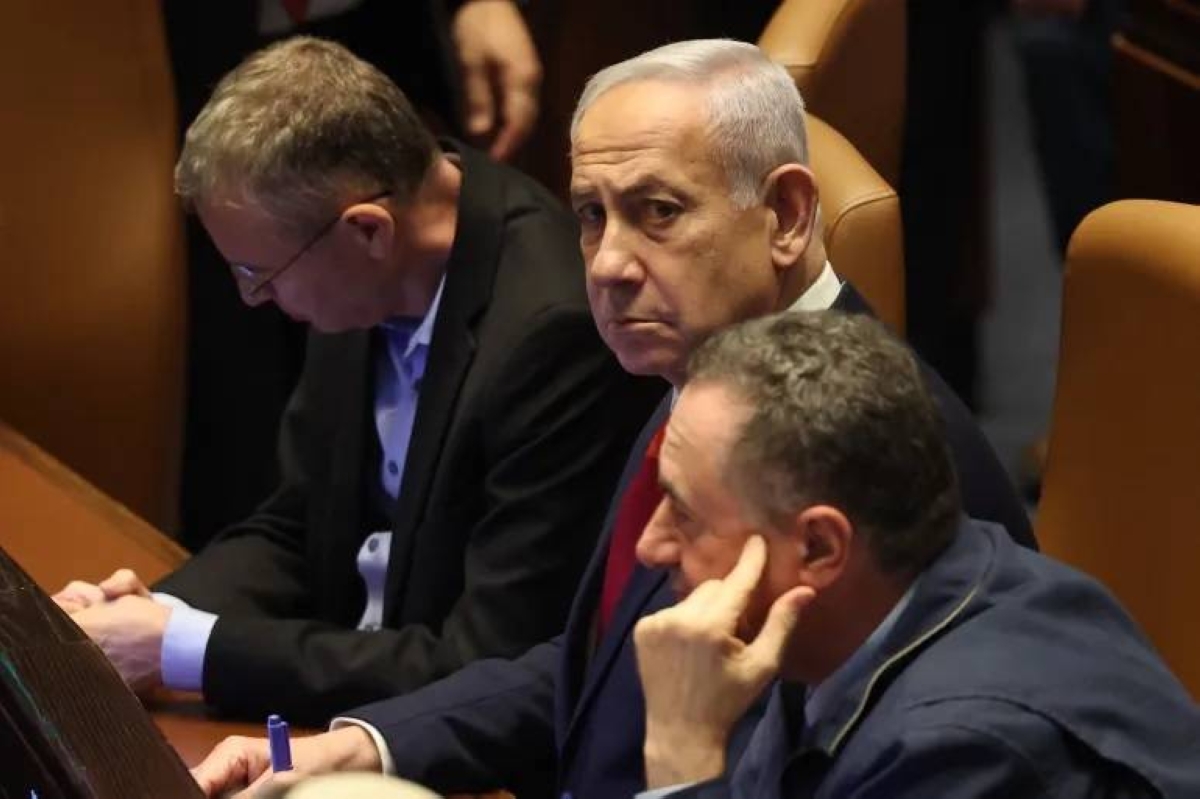
نتنياهو خلال اجتماع حكومي


تابع قناة عكاظ على الواتساب
«عكاظ» (غزة، جدة) okaz_online@
The Washington Post revealed that Israel is facing an unprecedented divide between the military and politicians due to Prime Minister Benjamin Netanyahu's plan to fully occupy the city of Gaza.
The American newspaper reported that Netanyahu presented the military leaders with a quick and decisive plan for complete control over Gaza, driven by strong pressures from the far-right factions in his government, which see full occupation as a final solution to the existence of Hamas. However, senior officers in the General Staff strongly opposed this, warning that any large-scale operation without a post-war plan could turn into a military and political quagmire similar to the experience in Lebanon in 1982.
The newspaper quoted informed sources as saying that military leaders clarified that controlling a densely populated city like Gaza would require a long-term deployment of tens of thousands of soldiers, with a significant increase in the likelihood of human casualties due to fighting in a highly complex environment.
It confirmed that if the plan is implemented, it will face severe criticism from Israel's key allies, including the United States and some European countries, which fear exacerbating the humanitarian crisis in Gaza, potentially increasing pressure on Western governments to intervene or impose restrictions on military support for Israel.
In light of this impasse, the newspaper states, a compromise was reached to expand Israeli control in Gaza by only 10% during the current phase, with plans being reassessed in light of field developments. However, this temporary solution does not hide the reality of the deep divide between political and military leadership, which may resurface with any upcoming escalation.
The Washington Post reported that sources confirmed the gradual operation would involve less than half of the five divisions needed to fully occupy Gaza. The ground invasion will begin slowly after evacuating about a million residents, many of whom have been displaced multiple times, by next September.
Sources assert that this decision reflects a retreat on Netanyahu's part after less than 12 hours from his announcement to Fox News that he intends to reclaim all of Gaza, which was occupied by Israel from 1967 to 2005.
Netanyahu's retreat has frustrated his far-right allies. Nimrod Novik, a former advisor to Prime Minister Shimon Peres and a fellow at the Israeli Policy Forum in New York, stated that the security establishment "pushed Netanyahu to significantly scale back the plan," noting that if the Cabinet decided to impose full occupation on military leaders, it would be the first time the political level ignored the military's professional decision unanimously.
A former high-ranking Israeli military official revealed that concerns are growing among some officers that a prolonged war could cause long-term damage to Israel's standing.
He pointed out that senior defense officials felt worried last week when Germany, a close ally, announced it would halt the export of military equipment that could be used in Gaza, as it would include engines used in Merkava tanks and Israeli armored vehicles. They anticipated that the army might resist the far-right government's orders as much as possible, according to the newspaper's report.
The American newspaper reported that Netanyahu presented the military leaders with a quick and decisive plan for complete control over Gaza, driven by strong pressures from the far-right factions in his government, which see full occupation as a final solution to the existence of Hamas. However, senior officers in the General Staff strongly opposed this, warning that any large-scale operation without a post-war plan could turn into a military and political quagmire similar to the experience in Lebanon in 1982.
The newspaper quoted informed sources as saying that military leaders clarified that controlling a densely populated city like Gaza would require a long-term deployment of tens of thousands of soldiers, with a significant increase in the likelihood of human casualties due to fighting in a highly complex environment.
It confirmed that if the plan is implemented, it will face severe criticism from Israel's key allies, including the United States and some European countries, which fear exacerbating the humanitarian crisis in Gaza, potentially increasing pressure on Western governments to intervene or impose restrictions on military support for Israel.
In light of this impasse, the newspaper states, a compromise was reached to expand Israeli control in Gaza by only 10% during the current phase, with plans being reassessed in light of field developments. However, this temporary solution does not hide the reality of the deep divide between political and military leadership, which may resurface with any upcoming escalation.
The Washington Post reported that sources confirmed the gradual operation would involve less than half of the five divisions needed to fully occupy Gaza. The ground invasion will begin slowly after evacuating about a million residents, many of whom have been displaced multiple times, by next September.
Sources assert that this decision reflects a retreat on Netanyahu's part after less than 12 hours from his announcement to Fox News that he intends to reclaim all of Gaza, which was occupied by Israel from 1967 to 2005.
Netanyahu's retreat has frustrated his far-right allies. Nimrod Novik, a former advisor to Prime Minister Shimon Peres and a fellow at the Israeli Policy Forum in New York, stated that the security establishment "pushed Netanyahu to significantly scale back the plan," noting that if the Cabinet decided to impose full occupation on military leaders, it would be the first time the political level ignored the military's professional decision unanimously.
A former high-ranking Israeli military official revealed that concerns are growing among some officers that a prolonged war could cause long-term damage to Israel's standing.
He pointed out that senior defense officials felt worried last week when Germany, a close ally, announced it would halt the export of military equipment that could be used in Gaza, as it would include engines used in Merkava tanks and Israeli armored vehicles. They anticipated that the army might resist the far-right government's orders as much as possible, according to the newspaper's report.


