لم يستبعد مساعد وزير الخارجية الإيراني مجيد تخت روانجي، إمكانية تقليص الأنشطة النووية لبلاده مقابل رفع العقوبات الأمريكية. وقال عضو الوفد المفاوض: إن طهران «يمكن أن توافق ضمن اتفاق عادل ومربح للطرفين على قيود زمنية محددة على الأنشطة النووية السلمية»، مقابل رفع العقوبات.
ولم يحدد مجيد مستوى التخصيب الذي يمكن لإيران خفضه، مؤكدا أن مطلب واشنطن بوقف التخصيب تماماً سيؤدي إلى فشل أي اتفاق محتمل، بحسب ما نقلت عنه وكالة «إيسنا»، اليوم(الإثنين).
من جهته، جدد المتحدث باسم الخارجية الإيرانية إسماعيل بقائي التأكيد على أن بلاده لا تثق بالولايات المتحدة. وقال خلال مؤتمر صحفي أسبوعي، اليوم: «لقد أكدت سابقاً حتى أثناء التفاوض مع الجانب الأمريكي أننا لا نثق بهم». وأكد أن «مشاركتهم المباشرة في الهجوم الإسرائيلي لم تترك عملياً مجالاً للثقة». ورفض بقائي تأكيد استضافة النرويج للجولة القادمة من المفاوضات بين إيران وأمريكا، أو دورها في الوساطة بين الطرفين.
وفي ما يتعلق بالمفاوضات مع الدول الأوروبية حول الملف النووي، أوضح بقائي أنها لم تتوقف. وقال: «لا يمكن القول إن مسار المحادثات مع الدول الأوروبية قد توقّف. ففي اجتماع إسطنبول الذي عُقد قبل أسبوعين، اتفق الطرفان على استمرار هذه المفاوضات».
ولفت متحدث الخارحية إلى عدم اتخاذ قرار بعد بشأن زمان ومكان انعقاد الجولة القادمة، وأعلن أن الاتصالات جارية لتحديد موعد ومكان الاجتماع القادم.
وكان وزير الخارجية الإيراني عباس عراقجي، أوضح أمس، أن التواصل مع الجانب الأوروبي لم يتوقف.
أما في ما يتعلق بالتفاوض مع الولايات المتحدة، فقال عراقجي إن «أي قرار لم يحسم بعد»، ممتنعاً عن تسمية أي دولة لاستضافة أي محادثات محتملة.
بدوره، اعتبر أمين المجلس الأعلى للأمن القومي الإيراني علي لاريجاني، أن «أمن بلاده مرهون بأمن الجيران». وقال قبيل بدء زيارته، اليوم إلى العراق ولبنان التي تمتد 3 أيام، إن اتفاقية أمنية بين طهران وبغداد قيد الإعداد، وسيتم توقيعها خلال هذه الزيارة. وأكد أن لبنان «بلد مهم وفاعل تربطه بإيران روابط حضارية وتاريخية، وتعاون واسع في القضايا الإقليمية».
وقال لاريجاني أنه سيجري محادثات مع مسؤولين وشخصيات لبنانية مؤثرة حول الظروف الراهنة، والوحدة الوطنية، واستقلال البلاد، وتعزيز العلاقات التجارية، والتطورات الأمنية.
وتأتي جولة لاريجاني بعدما أقرت الحكومة حصر السلاح بيد الدولة، وكلفت الجيش بوضع خطة لتسليم سلاح حزب الله على أن تقدم أواخر الشهر الحالي، ويصار إلى تنفيذها مع نهاية العام الحالي.
وكان مستشار المرشد الإيراني، علي أكبر ولايتي، أعلن أن طهران لا تؤيد نزع سلاح الحزب أو فصائل الحشد الشعبي، ما استدعى رداً عليه وإدانة من قبل وزارة الخارجية اللبنانية، التي اعتبرت تلك التصريحات تدخلا سافرا في شؤون البلاد. وعادت طهران وأعلنت في وقت لاحق أنها ستدعم أي قرار يتخذه حزب الله.
لاريجاني: توقيع اتفاقية أمنية بين طهران وبغداد
طهران تطرح تقليص الأنشطة النووية مقابل رفع العقوبات
11 أغسطس 2025 - 13:12
|
آخر تحديث 11 أغسطس 2025 - 13:12
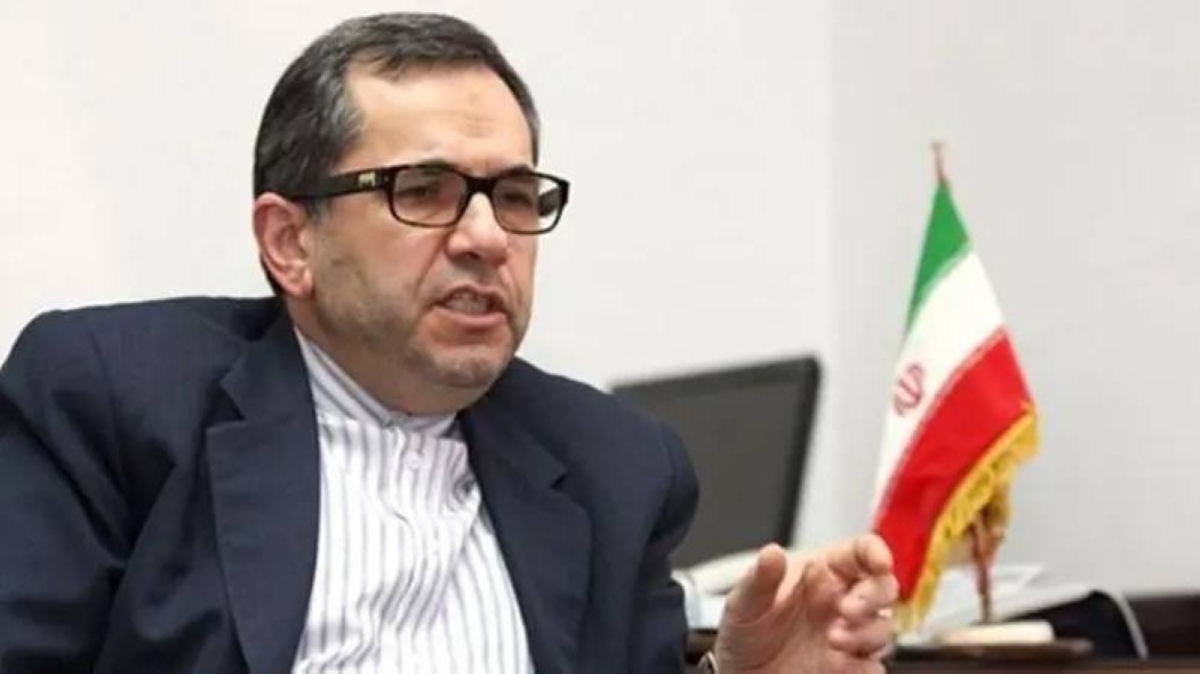
مساعد وزير الخارجية الإيراني مجيد تخت روانجي


تابع قناة عكاظ على الواتساب
«عكاظ»، وكالات (طهران، جدة) okaz_online@
The Iranian Deputy Foreign Minister Majid Takht-Ravanchi did not rule out the possibility of reducing his country's nuclear activities in exchange for lifting U.S. sanctions. A member of the negotiating delegation stated that Tehran "could agree, within a fair and mutually beneficial agreement, to specific time-limited restrictions on peaceful nuclear activities," in exchange for lifting the sanctions.
Majid did not specify the level of enrichment that Iran could reduce, emphasizing that Washington's demand for a complete halt to enrichment would lead to the failure of any potential agreement, according to the ISNA news agency, today (Monday).
For his part, Iranian Foreign Ministry spokesman Ismail Baghaei reiterated that his country does not trust the United States. He stated during a weekly press conference today: "I have previously confirmed, even while negotiating with the American side, that we do not trust them." He asserted that "their direct involvement in the Israeli attack has practically left no room for trust." Baghaei refused to confirm Norway's hosting of the next round of negotiations between Iran and the U.S., or its role in mediating between the two sides.
Regarding negotiations with European countries over the nuclear file, Baghaei clarified that they have not stopped. He said: "It cannot be said that the course of talks with European countries has halted. In the Istanbul meeting held two weeks ago, both sides agreed to continue these negotiations."
The Foreign Ministry spokesman noted that no decision has been made yet regarding the time and place of the next round, and announced that communications are ongoing to determine the date and location of the upcoming meeting.
Iranian Foreign Minister Abbas Araghchi clarified yesterday that communication with the European side has not ceased.
As for negotiations with the United States, Araghchi stated that "no decision has been finalized yet," refraining from naming any country to host any potential talks.
For his part, the Secretary of the Supreme National Security Council of Iran, Ali Larijani, considered that "the security of his country is linked to the security of its neighbors." He stated before starting his visit today to Iraq and Lebanon, which will last for three days, that a security agreement between Tehran and Baghdad is being prepared and will be signed during this visit. He emphasized that Lebanon is "an important and active country that has civilizational and historical ties with Iran, and extensive cooperation in regional issues."
Larijani mentioned that he will hold talks with influential Lebanese officials and figures regarding the current circumstances, national unity, the independence of the country, enhancing trade relations, and security developments.
This visit by Larijani comes after the government approved the restriction of weapons to the state, and tasked the army with developing a plan for the disarmament of Hezbollah, which is to be presented by the end of this month, with implementation expected by the end of the current year.
Iranian Supreme Leader's advisor, Ali Akbar Velayati, announced that Tehran does not support the disarmament of Hezbollah or the Popular Mobilization Forces, which prompted a response and condemnation from the Lebanese Foreign Ministry, which considered those statements a blatant interference in the country's affairs. Tehran later announced that it would support any decision made by Hezbollah.
Majid did not specify the level of enrichment that Iran could reduce, emphasizing that Washington's demand for a complete halt to enrichment would lead to the failure of any potential agreement, according to the ISNA news agency, today (Monday).
For his part, Iranian Foreign Ministry spokesman Ismail Baghaei reiterated that his country does not trust the United States. He stated during a weekly press conference today: "I have previously confirmed, even while negotiating with the American side, that we do not trust them." He asserted that "their direct involvement in the Israeli attack has practically left no room for trust." Baghaei refused to confirm Norway's hosting of the next round of negotiations between Iran and the U.S., or its role in mediating between the two sides.
Regarding negotiations with European countries over the nuclear file, Baghaei clarified that they have not stopped. He said: "It cannot be said that the course of talks with European countries has halted. In the Istanbul meeting held two weeks ago, both sides agreed to continue these negotiations."
The Foreign Ministry spokesman noted that no decision has been made yet regarding the time and place of the next round, and announced that communications are ongoing to determine the date and location of the upcoming meeting.
Iranian Foreign Minister Abbas Araghchi clarified yesterday that communication with the European side has not ceased.
As for negotiations with the United States, Araghchi stated that "no decision has been finalized yet," refraining from naming any country to host any potential talks.
For his part, the Secretary of the Supreme National Security Council of Iran, Ali Larijani, considered that "the security of his country is linked to the security of its neighbors." He stated before starting his visit today to Iraq and Lebanon, which will last for three days, that a security agreement between Tehran and Baghdad is being prepared and will be signed during this visit. He emphasized that Lebanon is "an important and active country that has civilizational and historical ties with Iran, and extensive cooperation in regional issues."
Larijani mentioned that he will hold talks with influential Lebanese officials and figures regarding the current circumstances, national unity, the independence of the country, enhancing trade relations, and security developments.
This visit by Larijani comes after the government approved the restriction of weapons to the state, and tasked the army with developing a plan for the disarmament of Hezbollah, which is to be presented by the end of this month, with implementation expected by the end of the current year.
Iranian Supreme Leader's advisor, Ali Akbar Velayati, announced that Tehran does not support the disarmament of Hezbollah or the Popular Mobilization Forces, which prompted a response and condemnation from the Lebanese Foreign Ministry, which considered those statements a blatant interference in the country's affairs. Tehran later announced that it would support any decision made by Hezbollah.