كشفت صحيفة «الغارديان» البريطانية عن وثائق بريطانية رسمية لتسريب مياه مشعة من قاعدة كولبورت العسكرية، التي تضم رؤوساً وقنابل نووية، إلى خليج لوخ لونغ غرب اسكتلندا، مبينة أن ملفات أعدتها الهيئة الأسكتلندية لحماية البيئة، الجهة الحكومية الرقابية على التلوث، كشفت أن البحرية الملكية البريطانية فشلت في صيانة 1500 أنبوب من المياه، ما أدى إلى تسربها إلى البحر بعد انفجارها.
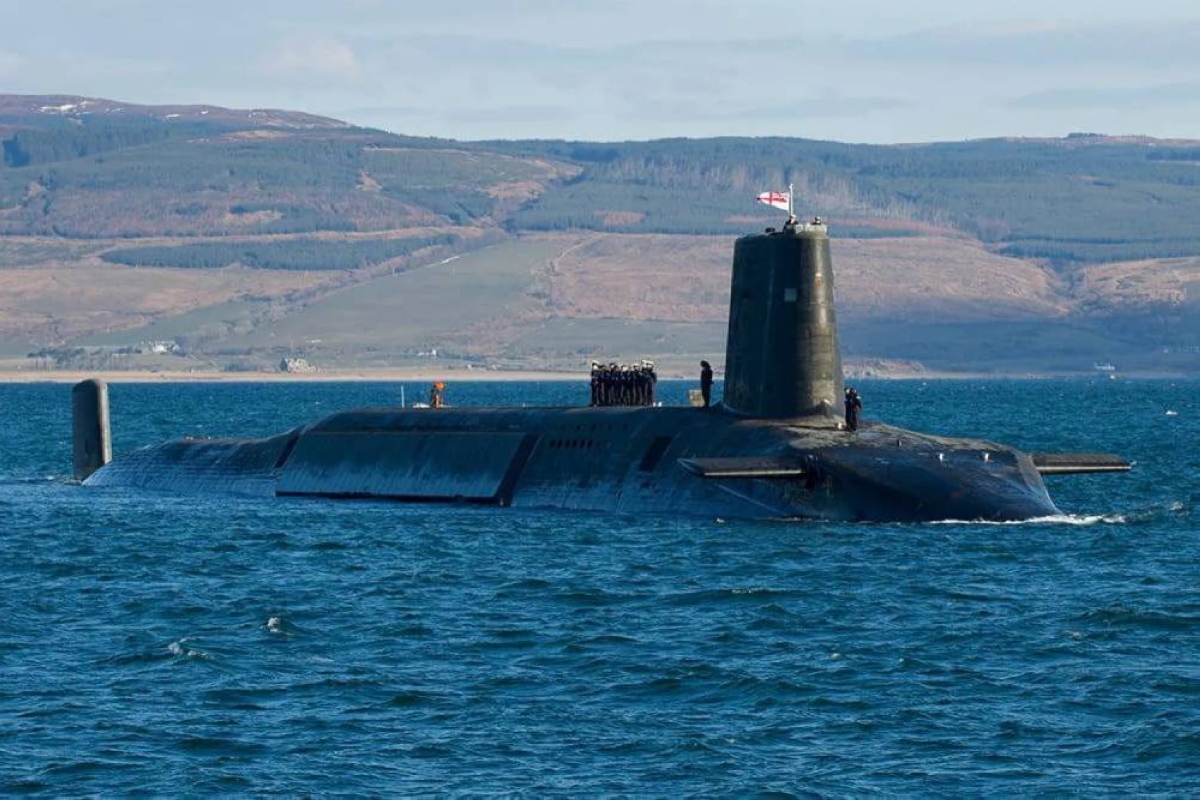
وقالت الصحيفة إن المواد المشعة تسربت إلى خليج لوخ لونغ، وهو خليج بحري يقع بالقرب من غلاسكو غرب أسكتلندا، ونقلت عن مصدر قوله إن مستودع الذخيرة في قاعدة كولبورت العسكرية يعد واحداً من أكبر المواقع العسكرية أماناً وسرية في المملكة المتحدة، ويضم إمدادات البحرية الملكية من الرؤوس الحربية النووية لأسطولها المكون من أربع غواصات من طراز «ترايدنت»، المتمركزة قرب القاعدة.
وقالت الهيئة الأسكتلندية لحماية البيئة إن ما يصل إلى نصف مكونات القاعدة كانت قد تجاوزت عمرها الافتراضي عند وقوع التسريبات، مشيرة إلى أن الفيضانات التي شهدتها قاعدة كولبورت نتجت عن قصور في الصيانة، ما أدى إلى إطلاق «نفايات مشعة غير ضرورية» على شكل مستويات منخفضة من التريتيوم، وهو عنصر يستخدم في الرؤوس الحربية النووية.
وعزت الهيئة هذه التسريبات إلى الفشل المتكرر للبحرية في صيانة المعدات في المنطقة المخصصة لتخزين الرؤوس الحربية، مؤكدة أن خطط استبدال 1500 أنبوب قديم معرض للانفجار «غير مثالية»، بحسب ما نقلت صحيفة «الغارديان» التي أشارت إلى أن مجموعة من التقارير التفتيشية السرية، والرسائل البريدية الإلكترونية للتسريب، حصل عليها موقع «ذا فيرول» وشاركها مع الصحيفة.
واعترضت وزارة الدفاع، وهيئة حماية البيئة الأسكتلندية على نشر هذه الوثائق، لكنه أُفرج عنها بأمر من مفوض المعلومات الأسكتلندي في أغسطس.
The British newspaper "The Guardian" revealed official British documents regarding the leakage of radioactive water from the Coulport military base, which houses nuclear warheads and bombs, into Loch Long Bay in western Scotland. The files prepared by the Scottish Environment Protection Agency, the governmental body responsible for monitoring pollution, indicated that the British Royal Navy failed to maintain 1,500 water pipes, leading to their rupture and subsequent leakage into the sea.
The newspaper stated that radioactive materials leaked into Loch Long Bay, a marine inlet located near Glasgow in western Scotland. It quoted a source saying that the munitions depot at the Coulport military base is one of the most secure and secret military sites in the United Kingdom, housing the Royal Navy's supply of nuclear warheads for its fleet of four "Trident" submarines stationed near the base.
The Scottish Environment Protection Agency stated that up to half of the base's components had exceeded their lifespan at the time of the leaks, noting that the flooding experienced at Coulport was due to maintenance failures, which led to the release of "unnecessary radioactive waste" in the form of low levels of tritium, an element used in nuclear warheads.
The agency attributed these leaks to the repeated failure of the Navy to maintain equipment in the area designated for storing warheads, confirming that plans to replace the 1,500 aging pipes at risk of explosion were "not ideal," according to "The Guardian," which noted that a collection of confidential inspection reports and emails regarding the leak were obtained by "The Ferret" and shared with the newspaper.
The Ministry of Defence and the Scottish Environment Protection Agency objected to the publication of these documents, but they were released by order of the Scottish Information Commissioner in August.