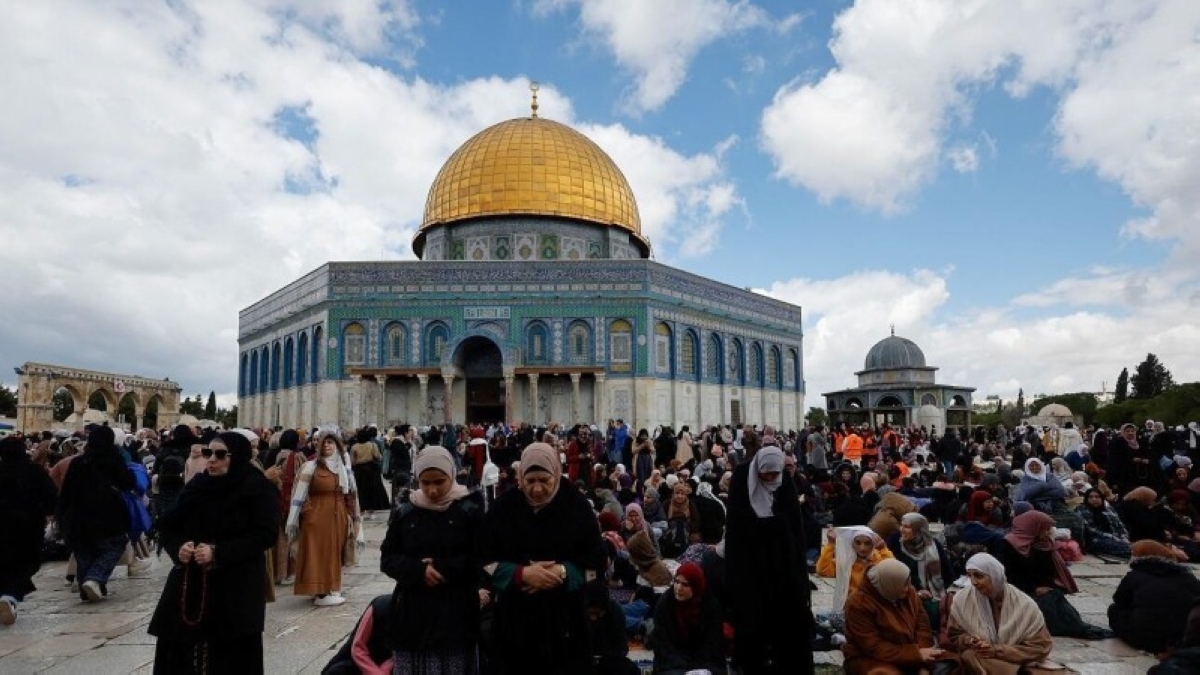
تعكس المواقف الدبلوماسية للمملكة العربية السعودية حضوراً قوياً في الدفاع عن القضايا الإسلامية، وفي مقدمتها قضية المسجد الأقصى. البيان الأخير الصادر عن وزارة الخارجية السعودية بإدانة الانتهاكات الإسرائيلية المتكررة بحق المسجد الأقصى المبارك، يجسد ثبات المملكة على نهجها الراسخ في دعم حقوق الشعب الفلسطيني والدفاع عن المقدسات الإسلامية.
هذا الموقف ليس وليد اللحظة، بل امتداد لتاريخ طويل من المبادرات التي تقودها الرياض لحماية الهوية الإسلامية في القدس، بدءاً من مواقفها في منظمة التعاون الإسلامي ومجلس الأمن، مروراً بجهودها الداعمة للمبادرات السياسية الدولية الرامية لإحياء عملية السلام. المملكة تنظر إلى استقرار المنطقة من زاوية متكاملة، إذ ترى أن الاعتداءات الإسرائيلية على الأقصى تمثل تهديداً مباشراً للأمن والسلم الدوليين، وتؤجج الصراع، ما يجعل التدخل الدبلوماسي ضرورة لحماية مستقبل المنطقة.
الدبلوماسية السعودية اليوم تتحرك على أكثر من مسار، فإلى جانب البيانات الرسمية الحازمة، تواصل الرياض اتصالاتها مع القوى الدولية للتأكيد على وقف الممارسات الاستفزازية التي تقوّض جهود السلام. كما تعزز المملكة دورها في دعم القرارات الدولية التي تجرّم انتهاكات الاحتلال، في الوقت الذي تدعو إلى حلول عادلة تضمن الحقوق المشروعة للشعب الفلسطيني، وعلى رأسها حقه في إقامة دولته المستقلة وعاصمتها القدس الشرقية.
إن القيادة السعودية، بقيادة خادم الحرمين الشريفين وولي العهد، تدرك أن حماية المسجد الأقصى ليست قضية سياسية فحسب، بل مسؤولية دينية وأخلاقية ترتبط بمكانة المملكة في العالمين العربي والإسلامي. هذا الالتزام يجعل من السعودية صوتاً قوياً في المحافل الدولية، يدعو إلى كبح التصعيد وحماية المقدسات، انطلاقاً من دورها التاريخي كقلب العالم الإسلامي وصاحبة المبادرات المؤثرة في مسار السلام العالمي.
بذلك تثبت المملكة أن الدبلوماسية ليست مجرد بيانات، بل فعل متكامل يجمع بين القوة الناعمة والموقف المبدئي، في إطار رؤية إستراتيجية تحافظ على الثوابت وتدعم استقرار المنطقة.
The diplomatic positions of the Kingdom of Saudi Arabia reflect a strong presence in defending Islamic issues, foremost among them the issue of Al-Aqsa Mosque. The recent statement issued by the Saudi Ministry of Foreign Affairs condemning the repeated Israeli violations against the blessed Al-Aqsa Mosque embodies the Kingdom's steadfastness on its established approach to support the rights of the Palestinian people and defend Islamic sanctities.
This position is not a momentary reaction but an extension of a long history of initiatives led by Riyadh to protect the Islamic identity in Jerusalem, starting from its stances in the Organization of Islamic Cooperation and the Security Council, through its efforts to support international political initiatives aimed at reviving the peace process. The Kingdom views the stability of the region from a comprehensive perspective, as it sees that Israeli assaults on Al-Aqsa represent a direct threat to international peace and security, fueling the conflict, which makes diplomatic intervention a necessity to protect the future of the region.
Today, Saudi diplomacy is moving along multiple tracks; alongside firm official statements, Riyadh continues its communications with international powers to emphasize the need to halt provocative practices that undermine peace efforts. The Kingdom also enhances its role in supporting international resolutions that criminalize occupation violations, while calling for fair solutions that guarantee the legitimate rights of the Palestinian people, foremost among them their right to establish their independent state with East Jerusalem as its capital.
The Saudi leadership, under the guidance of the Custodian of the Two Holy Mosques and the Crown Prince, recognizes that protecting Al-Aqsa Mosque is not just a political issue but a religious and moral responsibility linked to the Kingdom's status in the Arab and Islamic worlds. This commitment makes Saudi Arabia a strong voice in international forums, calling for de-escalation and the protection of sanctities, stemming from its historical role as the heart of the Islamic world and a proponent of impactful initiatives in the global peace process.
Thus, the Kingdom proves that diplomacy is not merely statements, but an integrated action that combines soft power with a principled stance, within a strategic vision that maintains constants and supports the stability of the region.