


تحسباً لأي هجوم جديد، وبعد أكثر من شهر على الاستهداف الإسرائيلي، أعلنت إيران اليوم (الأحد) إنشاء مجلس دفاعي يهدف إلى تعزيز قدراتها العسكرية، ووفقاً للتلفزيون الرسمي الإيراني فإن المجلس الجديد سيرأسه الرئيس مسعود بزشكيان.
وأوضح التلفزيون الإيراني أن المجلس الأعلى للأمن القومي وافق على إنشاء مجلس الدفاع الوطني، مبيناً أنه يضم قادة القوات المسلحة والوزارات المعنية.
وأشار التلفزيون إلى أن مجلس الدفاع يدرس خطط الدفاع ويعزز قدرات القوات المسلحة بشكل مركزي، وبحسب وكالة «تسنيم» فإن هذا المجلس يضم كلاً من رؤساء السلطات الثلاث، وممثلين عن المرشد الإيراني علي خامنئي في المجلس الأعلى للأمن القومي، ووزير الاستخبارات، ورئيس الأركان العامة للقوات المسلحة، إضافة إلى قادة من الحرس الثوري والجيش ومقر «خاتم الأنبياء».
وأشارت الوكالة إلى أنه جرى تأسيس المجلس استناداً إلى المادة 176 من الدستور الإيراني، التي تمنح المجلس الأعلى للأمن القومي صلاحية تشكيل مجالس فرعية، مثل مجلس الدفاع ومجلس أمن البلاد، بما يتناسب مع مهماته.
وذكرت «تسنيم» أن لمجلس الدفاع سابقة تاريخية، إذ تم إنشاؤه خلال الحرب الإيرانية-العراقية، لكن أعيدت هيكلته لاحقاً ضمن إطار المجلس الأعلى للأمن القومي بعد تعديل الدستور، مبينة أن التهديدات الأمنية الجديدة والمعقدة، إقليمياً ودولياً، تبرر إعادة إحياء مجلس الدفاع، لما قد يوفّره من مرونة وسرعة في اتخاذ القرار الدفاعي.
وشنت إسرائيل هجوماً غير مسبوق على إيران في 13 يونيو، بهدف معلن هو منعها من حيازة سلاح نووي، وهو مسعى تنفيه طهران مؤكدة حقها في الحصول على طاقة نووية مدنية، كما تعرضت خلال الحرب منشآت نووية وعسكرية إيرانية للقصف وقتل عدد من القادة العسكريين الكبار وعلماء يعملون على تطوير البرنامج النووي الإيراني، وشاركت في العملية الولايات المتحدة في 22 من الشهر ذاته، حين استهدفت موقع تخصيب اليورانيوم تحت الأرض في فوردو جنوب طهران، ومنشأتين نوويتين في أصفهان ونطنز وسط البلاد.
إيران: إنشاء مجلس دفاع وطني برئاسة بزشكيان
3 أغسطس 2025 - 22:44
|
آخر تحديث 3 أغسطس 2025 - 22:44
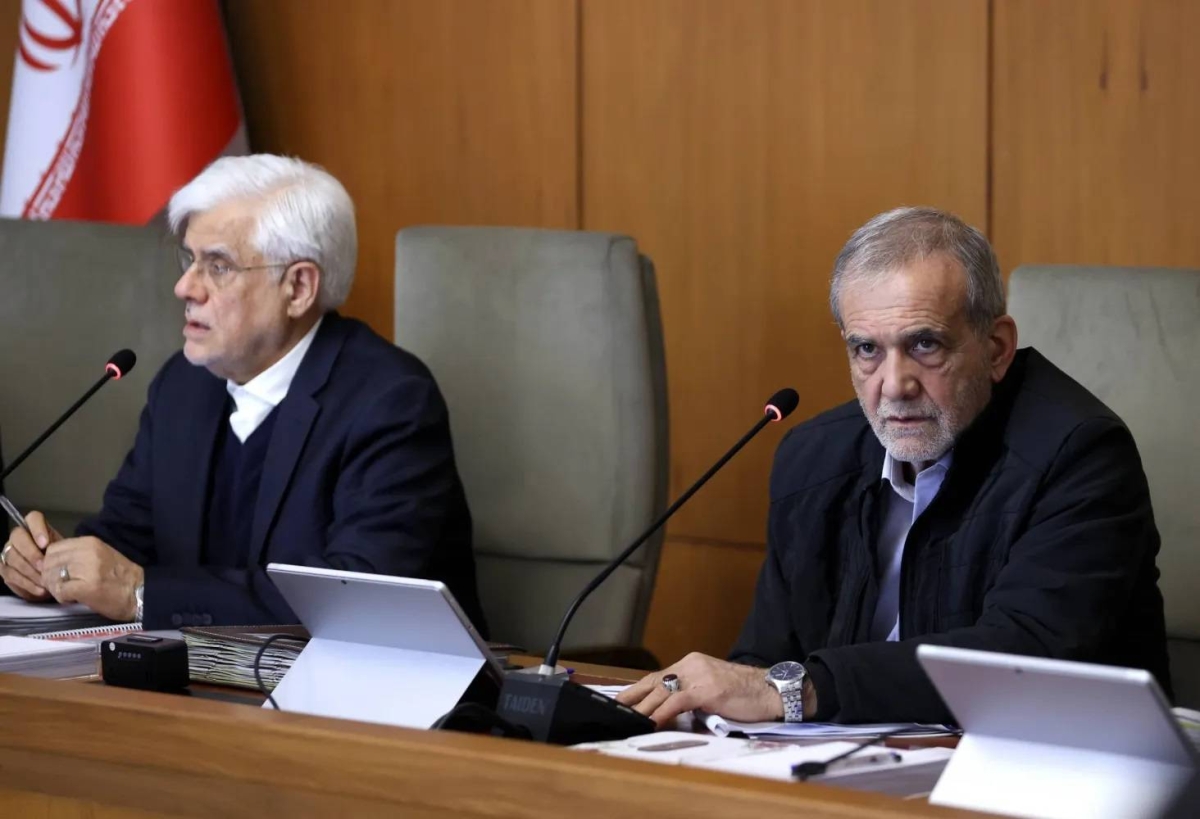
الرئيس الإيراني خلال اجتماع


تابع قناة عكاظ على الواتساب
«عكاظ» (جدة) okaz_online@
In anticipation of any new attack, and after more than a month since the Israeli targeting, Iran announced today (Sunday) the establishment of a defense council aimed at enhancing its military capabilities. According to Iranian state television, the new council will be chaired by President Masoud Bezhakian.
Iranian television clarified that the Supreme National Security Council approved the creation of the National Defense Council, indicating that it includes leaders of the armed forces and relevant ministries.
The television pointed out that the Defense Council studies defense plans and centrally enhances the capabilities of the armed forces. According to the Tasnim agency, this council includes the heads of the three branches of government, representatives of Iranian Supreme Leader Ali Khamenei in the Supreme National Security Council, the Minister of Intelligence, the Chief of Staff of the Armed Forces, as well as leaders from the Revolutionary Guard, the army, and the "Khatam al-Anbiya" headquarters.
The agency noted that the council was established based on Article 176 of the Iranian Constitution, which grants the Supreme National Security Council the authority to form subsidiary councils, such as the Defense Council and the National Security Council, in accordance with its missions.
Tasnim mentioned that the Defense Council has a historical precedent, as it was established during the Iran-Iraq War, but was later restructured within the framework of the Supreme National Security Council after a constitutional amendment, indicating that the new and complex security threats, regionally and internationally, justify the revival of the Defense Council for the flexibility and speed it may provide in making defense decisions.
Israel launched an unprecedented attack on Iran on June 13, with the declared aim of preventing it from acquiring nuclear weapons, a claim that Tehran denies, asserting its right to obtain civilian nuclear energy. During the war, Iranian nuclear and military facilities were bombed, and several senior military leaders and scientists working on the Iranian nuclear program were killed. The United States participated in the operation on the 22nd of the same month, targeting an underground uranium enrichment site in Fordow south of Tehran, as well as two nuclear facilities in Isfahan and Natanz in the center of the country.
Iranian television clarified that the Supreme National Security Council approved the creation of the National Defense Council, indicating that it includes leaders of the armed forces and relevant ministries.
The television pointed out that the Defense Council studies defense plans and centrally enhances the capabilities of the armed forces. According to the Tasnim agency, this council includes the heads of the three branches of government, representatives of Iranian Supreme Leader Ali Khamenei in the Supreme National Security Council, the Minister of Intelligence, the Chief of Staff of the Armed Forces, as well as leaders from the Revolutionary Guard, the army, and the "Khatam al-Anbiya" headquarters.
The agency noted that the council was established based on Article 176 of the Iranian Constitution, which grants the Supreme National Security Council the authority to form subsidiary councils, such as the Defense Council and the National Security Council, in accordance with its missions.
Tasnim mentioned that the Defense Council has a historical precedent, as it was established during the Iran-Iraq War, but was later restructured within the framework of the Supreme National Security Council after a constitutional amendment, indicating that the new and complex security threats, regionally and internationally, justify the revival of the Defense Council for the flexibility and speed it may provide in making defense decisions.
Israel launched an unprecedented attack on Iran on June 13, with the declared aim of preventing it from acquiring nuclear weapons, a claim that Tehran denies, asserting its right to obtain civilian nuclear energy. During the war, Iranian nuclear and military facilities were bombed, and several senior military leaders and scientists working on the Iranian nuclear program were killed. The United States participated in the operation on the 22nd of the same month, targeting an underground uranium enrichment site in Fordow south of Tehran, as well as two nuclear facilities in Isfahan and Natanz in the center of the country.


