


في إطار الإصلاحات الاقتصادية التي أطلقتها الحكومة اليمنية وأدت إلى تعافي الريال اليمني أمام الدولار والعملات الأخرى، أصدر البنك المركزي اليمني في العاصمة المؤقتة عدن اليوم (الأحد) عدداً من القرارات لسحب الترخيص عن أكثر من 4 شركات ومحلات صرافة على خلفية تجاوزاتها في سعر العملة وعدم التزامها بتعميم البنك والمضاربة بالعملة.
وشدد البنك المركزي اليمني إجراءات الرقابة على شركات الصرافة، ما أدى إلى تعافي الريال اليمني أمام الدولار وعودة الأمل في أوساط اليمنيين والبدء في عملية الترتيبات الأخرى لتخفيض أسعار المواد الغذائية ووسائل النقل وغيرهما من الخدمات التي تمس مصالح الشعب اليمني بشكل مباشر.
وأقرت اللجنة الوطنية لتمويل وتنظيم الاستيراد برئاسة محافظ البنك المركزي وبحضور وزير الصناعة والتجارة اليوم دليل العمل والإجراءات لبدء أعمال الفريق التنفيذي بما في ذلك إشعار الشركات التجارية والبنوك والصرافات بآلية التمويل واستقبال الطلبات والضوابط المنظمة لعمليات تمويل الاستيراد، مستعرضة ما تم إنجازه من تحضيرات لبدء عمل اللجنة بما في ذلك إقرار اللوائح والأنظمة المنظمة لعمل اللجنة وتعيين الفريق التنفيذي.
وحدد البنك المركزي سقفاً للحوالات وعمليات الصرف الشخصية لا يتجاوز 5 آلاف دولار، مع إلزام البنوك باستيفاء الوثائق المؤيدة للغرض من الحوالة أو عملية المصارفة، وذلك في إطار الجهود الحكومية لمحاربة غسل الأموال.
وشدد وكيل محافظ البنك المركزي في عدن على البنوك العاملة في اليمن أنه ولما فيه الصالح العام يتم الالتزام بتنفيذ الحوالات الشخصية وعمليات بيع العملة الأجنبية للأغراض الشخصية (مصاريف دراسة وعلاج) بسقف أعلى لا يتجاوز خمسة آلاف دولار فقط، على أن يقوم البنك ببذل العناية المهنية الواجبة لضمان عدم تجزئة الحوالات أو تكرار عملية البيع، واستيفاء الوثائق والمستندات المؤيدة للغرض.
وأكد البنك في التعميم على ضرورة موافاته ببيانات تفصيلية عن الحوالات الصادرة وعمليات البيع بشكل يومي، متوعداً باتخاذ كافة الإجراءات القانونية الصارمة ضد البنوك المخالفة.
على واقع تعافي الريال اليمني.. البنك المركزي يعاقب 4 شركات صرافة مخالفة
3 أغسطس 2025 - 20:33
|
آخر تحديث 3 أغسطس 2025 - 20:33
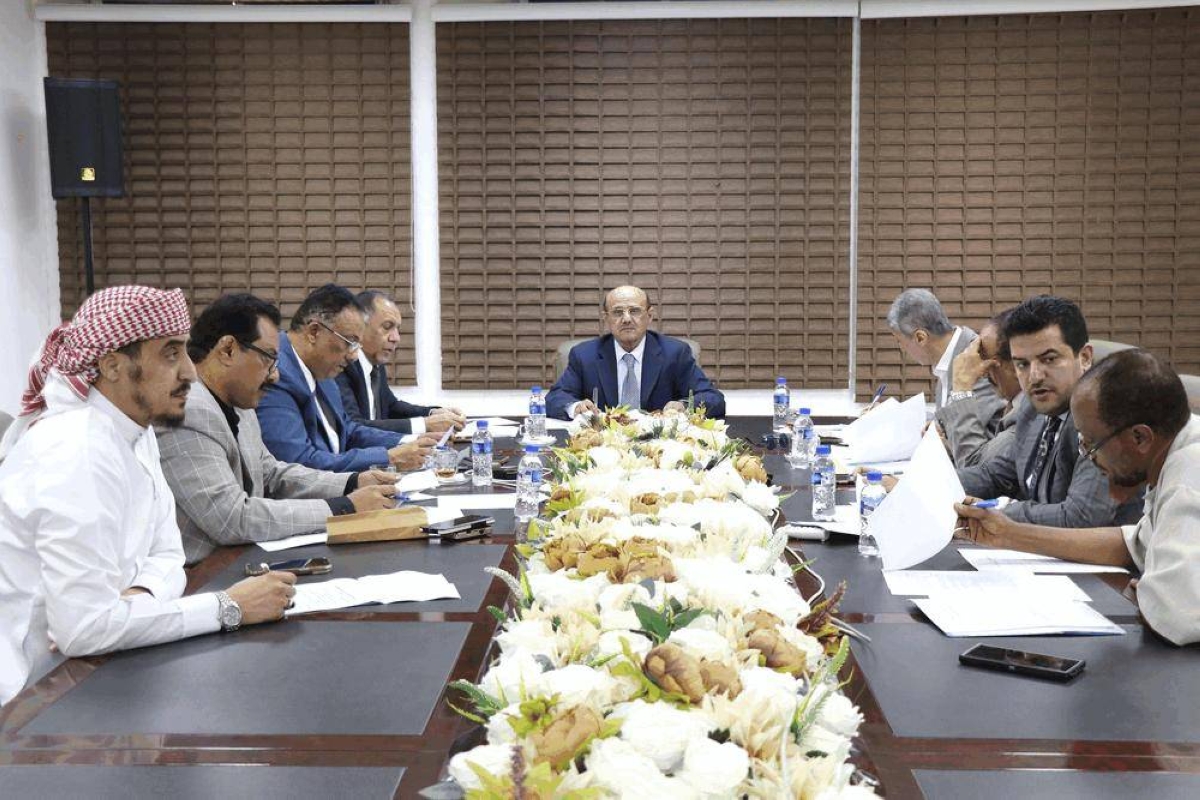
رئيس البنك المركزي خلال اجتماع لجنة الاستيراد والتصدير.


تابع قناة عكاظ على الواتساب
أحمد الشميري (جدة) a_shmeri@
In the context of the economic reforms launched by the Yemeni government, which have led to the recovery of the Yemeni rial against the dollar and other currencies, the Central Bank of Yemen in the temporary capital, Aden, issued today (Sunday) a number of decisions to revoke the licenses of more than 4 exchange companies and shops due to their violations of the currency exchange rate and their failure to comply with the bank's directives and currency speculation.
The Central Bank of Yemen tightened its oversight measures on exchange companies, which resulted in the recovery of the Yemeni rial against the dollar and restored hope among Yemenis, initiating other arrangements to reduce the prices of foodstuffs, transportation, and other services that directly affect the interests of the Yemeni people.
The National Committee for Financing and Organizing Imports, chaired by the Governor of the Central Bank and attended by the Minister of Industry and Trade, approved today the work guide and procedures to start the work of the executive team, including notifying commercial companies, banks, and exchange offices about the financing mechanism, receiving applications, and the regulations governing import financing operations, reviewing what has been accomplished in preparations to begin the committee's work, including the approval of the regulations and systems governing the committee's work and the appointment of the executive team.
The Central Bank set a ceiling for remittances and personal exchange operations not exceeding 5,000 dollars, requiring banks to provide supporting documents for the purpose of the remittance or exchange operation, as part of the government's efforts to combat money laundering.
The Deputy Governor of the Central Bank in Aden emphasized to the banks operating in Yemen that, for the public good, they must comply with the implementation of personal remittances and foreign currency sales for personal purposes (study and medical expenses) with a maximum limit of only five thousand dollars, ensuring that the bank exercises due professional care to guarantee that remittances are not fragmented or that the sale process is not repeated, and that supporting documents and papers for the purpose are provided.
The bank confirmed in the circular the necessity of providing it with detailed data on outgoing remittances and sales operations on a daily basis, threatening to take all strict legal measures against violating banks.
The Central Bank of Yemen tightened its oversight measures on exchange companies, which resulted in the recovery of the Yemeni rial against the dollar and restored hope among Yemenis, initiating other arrangements to reduce the prices of foodstuffs, transportation, and other services that directly affect the interests of the Yemeni people.
The National Committee for Financing and Organizing Imports, chaired by the Governor of the Central Bank and attended by the Minister of Industry and Trade, approved today the work guide and procedures to start the work of the executive team, including notifying commercial companies, banks, and exchange offices about the financing mechanism, receiving applications, and the regulations governing import financing operations, reviewing what has been accomplished in preparations to begin the committee's work, including the approval of the regulations and systems governing the committee's work and the appointment of the executive team.
The Central Bank set a ceiling for remittances and personal exchange operations not exceeding 5,000 dollars, requiring banks to provide supporting documents for the purpose of the remittance or exchange operation, as part of the government's efforts to combat money laundering.
The Deputy Governor of the Central Bank in Aden emphasized to the banks operating in Yemen that, for the public good, they must comply with the implementation of personal remittances and foreign currency sales for personal purposes (study and medical expenses) with a maximum limit of only five thousand dollars, ensuring that the bank exercises due professional care to guarantee that remittances are not fragmented or that the sale process is not repeated, and that supporting documents and papers for the purpose are provided.
The bank confirmed in the circular the necessity of providing it with detailed data on outgoing remittances and sales operations on a daily basis, threatening to take all strict legal measures against violating banks.


