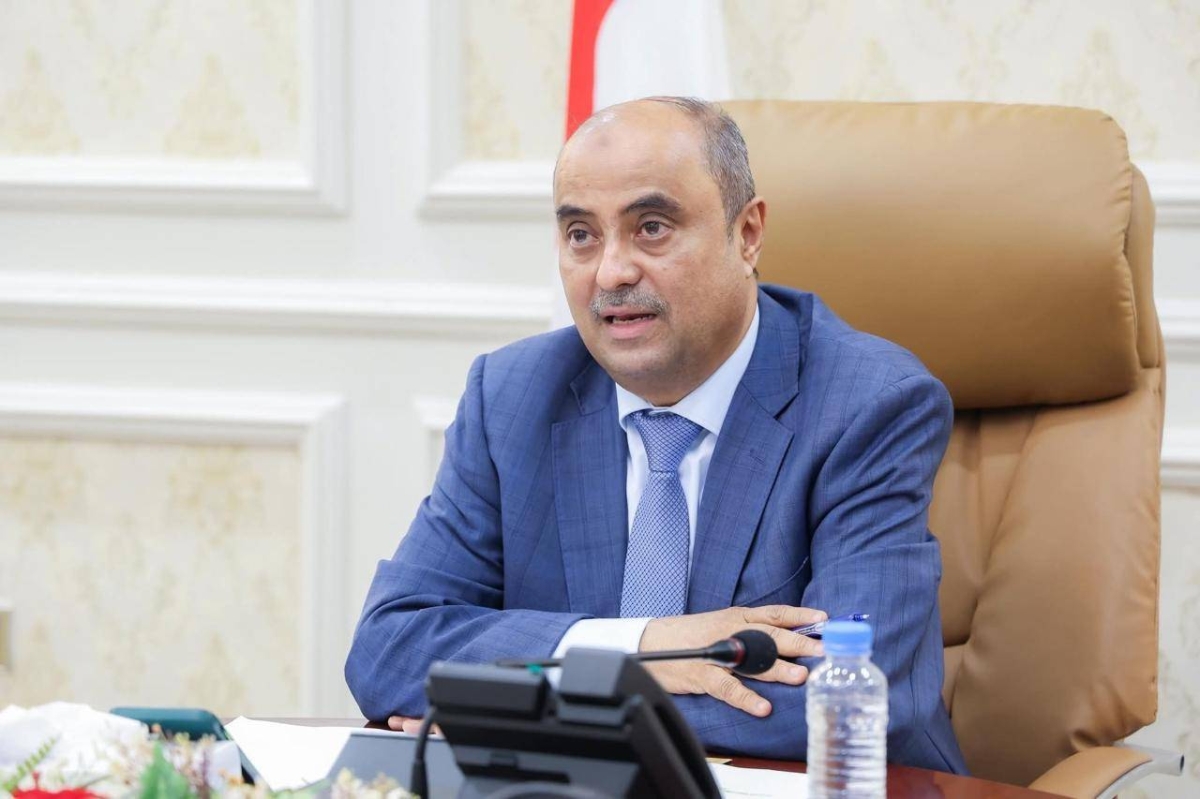
أوضح رئيس مجلس الوزراء اليمني الدكتور سالم صالح بن بريك أن المرحلة التي يمر بها اليمن تتطلب تكاتف الجميع، من أجل مساندة جهود الدولة للمضي في مواصلة تنفيذ الاصلاحات الشاملة وتحقيق التعافي الاقتصادي، والعبور بالبلد نحو المستقبل الآمن.
ولفت الى أن من يراهن على استغلال الظروف الاستثنائية التي يمر بها البلد سوف يخسر، وليس بمقدور أحد الوقوف أمام عجلة التغيير التي انطلقت، ولن يكون هناك مجال لمحاولات العبث أو الفوضى، وأن عصراً جديداً قد بدأ بالفعل. وقال سوف نخوض معركتنا بكل شجاعة من أجل تحسين أوضاع معيشة المواطنين الذين ندرك تماماً حجم معاناتهم واحتياجاتهم الحقيقية في الحياة الآمنة والمستقرة، وسنعمل على تحقيق تطلعاتهم.
وقال: لن نترك المواطن وحيداً..الحكومة سوف تكون معه، وبقوة.
وجدد التأكيد على أن الحكومة ماضية في اتخاذ كل الإجراءات التي من شأنها ضبط الأداء الاقتصادي وتحقيق التعافي، والتخفيف من آثار الحرب التي أشعلتها مليشيات الحوثي الإرهابية، لافتاً إلى أن الحكومة تدرك حجم معاناة المواطنين وتعمل على معالجتها عبر خطة اقتصادية متكاملة تبدأ من تعزيز الإيرادات، وضبط الأسواق، وتحسين أداء مؤسسات الدولة، مؤكداً أن تحسن الأوضاع ليس مجرد وعود، بل أولوية يتم العمل على تنفيذها ميدانياً.
وأكد أن الحكومة تتابع عن كثب التطورات في الأسواق المحلية، وتولي ملف الأسعار أولوية قصوى في ظل الأوضاع المعيشية الصعبة التي يمر بها المواطنون، مشدداً على ضرورة اتخاذ إجراءات حازمة لضبط المتلاعبين بأسعار السلع الأساسية، والعمل على ترجمة التراجع الملحوظ في أسعار الصرف إلى انخفاض فعلي في أسعار المواد الغذائية والخدمات.
وقال: «من المهم أن ينعكس تحسن سعر صرف الريال على أسعار السلع الأساسية والاستهلاكية، ورفض ما يقدمه بعض التجار من تبريرات في إبقاء الأسعار مرتفعة بذريعة تكاليف الاستيراد السابقة، لكون التسعير يتم وفق سعر الصرف اليومي، وتحول العائدات يومياً إلى العملات الصعبة»، مشدداً على ضرورة اتخاذ الجهات المعنية في الدولة إجراءات حازمة لأن المواطن هو المتضرر الأول من هذا الخلل، ومسؤولية الحكومة حماية المستهلك والقطاع الخاص في آن واحد وتحقيق التوازن.
ووجه بن بريك وزارة الصناعة والتجارة بتشكيل فرق رقابة ميدانية فاعلة وليست شكلية في عدن والمحافظات المحررة بالتنسيق مع السلطات المحلية، وتطبيق العقوبات على المخالفين، والإعلان عن المبادرين والمتعاونين، وضمان عدم تحول فرق الرقابة الى فرق جباية وفساد، مؤكداً إعداد نشرات أسبوعية لتوعية المواطنين بحقوقهم.
ولفت رئيس الوزراء إلى أن العدالة الاجتماعية والمسؤولية الوطنية تقتضي رعاية مصالح المواطنين وضبط السوق، والطريقة الفعالة لتحقيق ذلك هي إشراك الرقابة المجتمعية وتفعيلها وجعل المجتمع مسانداً للحكومة وتعزيز ثقته بها، ما يستوجب وضع آلية لتحديد الأسعار وتشكيل لجنة مشتركة من وزارة الصناعة والغرفة التجارية لوضع سياسة تسعير تستند إلى التكاليف الواقعية وهامش ربح معقول، وإلزام الشركات والمستوردين بتقديم فواتير وسندات تثبت الأسعار التي تم بها الاستيراد وربط التسعير الداخلي بها، ووضع قائمة تحدد أسعار المواد الأساسية والاستهلاكية وتحديثها أسبوعياً ونشرها في وسائل الإعلام.
ووجه خلال اجتماعه بقيادة وزارة الصناعة والتجارة بإطلاق خطوط ساخنة لتلقي الشكاوى من المواطنين والإبلاغ عن المخالفين لضبط السوق والتفاعل مع تلك الشكاوى والتعامل معها، مشدداً على أن الرقابة على الأسواق مسؤولية تضامنية تتطلب تضافر الجهود بين مختلف الجهات الحكومية والسلطات المحلية والمجتمع، وإحالة المخالفين إلى الجهات القضائية دون تهاون.
وأشار بن بريك إلى أن الحكومة ملتزمة بمواصلة جهودها في تحسين الأوضاع الاقتصادية والمعيشية، وتعزيز الرقابة الفعلية على الأسواق، وتكثيف التنسيق بين الوزارات المختصة والسلطات المحلية والأجهزة الرقابية، بما يكفل تعزيز الحضور الميداني للدولة وتخفيف الأعباء عن كاهل المواطنين.
وأوضح أن الحكومة لا تدّخر جهداً في اتخاذ كل ما من شأنه تحسين أوضاع المواطنين، داعياً إلى التفاعل مع الحملات الرقابية والإبلاغ عن أي مخالفات أو تجاوزات بما يعزز من فاعلية الرقابة المجتمعية إلى جانب الجهود الحكومية، موضحاً أن الحكومة بالتنسيق مع مجلس القيادة الرئاسي، وبجهود تكاملية بين السياسة المالية والنقدية تواصل العمل من أجل استعادة التوازن الاقتصادي، وتهيئة البيئة المناسبة للاستثمار، وتحسين الخدمات العامة، ورفع كفاءة الأداء الحكومي في مختلف القطاعات الحيوية.
The Yemeni Prime Minister, Dr. Salem Saleh bin Brek, clarified that the phase Yemen is going through requires everyone to unite in support of the state's efforts to continue implementing comprehensive reforms and achieving economic recovery, steering the country towards a secure future.
He pointed out that those who bet on exploiting the exceptional circumstances the country is experiencing will lose, and no one can stand in front of the wheel of change that has already begun. There will be no room for attempts at chaos or disorder, and a new era has indeed started. He stated that we will fight our battle with courage to improve the living conditions of citizens, fully aware of the extent of their suffering and their real needs for a safe and stable life, and we will work to fulfill their aspirations.
He said: We will not leave the citizen alone... the government will be with him, and strongly.
He reiterated that the government is moving forward with taking all measures that would regulate economic performance, achieve recovery, and mitigate the effects of the war ignited by the terrorist Houthi militias, noting that the government is aware of the extent of citizens' suffering and is working to address it through a comprehensive economic plan that starts with enhancing revenues, regulating markets, and improving the performance of state institutions. He emphasized that improving conditions is not just promises, but a priority that is being worked on in the field.
He confirmed that the government is closely monitoring developments in local markets and gives the issue of prices the utmost priority in light of the difficult living conditions faced by citizens, stressing the need to take decisive measures to control those manipulating the prices of basic goods, and to translate the noticeable decline in exchange rates into an actual decrease in food prices and services.
He said: "It is important that the improvement in the exchange rate of the rial reflects on the prices of basic and consumer goods, and to reject the justifications some traders provide for keeping prices high under the pretext of previous import costs, as pricing is based on the daily exchange rate, and revenues are converted daily to hard currencies," stressing the necessity for the relevant authorities in the state to take firm measures because the citizen is the primary victim of this imbalance, and it is the government's responsibility to protect both the consumer and the private sector simultaneously and achieve balance.
Bin Brek directed the Ministry of Industry and Trade to form effective field monitoring teams, not just nominal ones, in Aden and the liberated governorates in coordination with local authorities, to apply penalties on violators, announce initiators and collaborators, and ensure that monitoring teams do not turn into collection and corruption teams, confirming the preparation of weekly bulletins to educate citizens about their rights.
The Prime Minister pointed out that social justice and national responsibility require caring for citizens' interests and regulating the market, and the effective way to achieve this is to involve and activate community monitoring and make society supportive of the government and enhance its trust in it, which necessitates establishing a mechanism to determine prices and forming a joint committee from the Ministry of Industry and the Chamber of Commerce to set a pricing policy based on actual costs and a reasonable profit margin, and obliging companies and importers to provide invoices and documents proving the prices at which imports were made and linking internal pricing to them, and creating a list that specifies the prices of basic and consumer goods, updating it weekly and publishing it in the media.
During his meeting with the leadership of the Ministry of Industry and Trade, he directed the launch of hotlines to receive complaints from citizens and report violators to regulate the market and interact with those complaints and address them, emphasizing that market monitoring is a collective responsibility that requires concerted efforts between various government entities, local authorities, and society, and referring violators to judicial authorities without leniency.
Bin Brek indicated that the government is committed to continuing its efforts to improve economic and living conditions, enhance actual monitoring of markets, and intensify coordination between relevant ministries, local authorities, and oversight bodies, ensuring the state's field presence is strengthened and alleviating burdens on citizens.
He clarified that the government spares no effort in taking all that would improve citizens' conditions, calling for interaction with monitoring campaigns and reporting any violations or abuses to enhance the effectiveness of community monitoring alongside government efforts, explaining that the government, in coordination with the Presidential Leadership Council, and through complementary efforts between fiscal and monetary policy, continues to work towards restoring economic balance, creating a suitable environment for investment, improving public services, and raising the efficiency of government performance in various vital sectors.