


اعترف نائب عراقي أن لجنة برلمانية أدخلت تعديلات على مسودة قانون «هيئة الحشد الشعبي» تشمل شروط اختيار رئيس الهيئة وتحديد هيكليتها، وسط تحذيرات أمريكية من أن القانون يمنح نفوذاً أكبر للفصائل المسلحة داخل مؤسسات الدولة.
وقال النائب مختار الموسوي: «إن التعديلات، التي جاءت استناداً إلى ملاحظات نيابية سابقة، تنص على أن يكون رئيس الهيئة قد خدم 10 سنوات على الأقل داخل الحشد، وأن يتمتع بخبرة أمنية وأكاديمية، إلى جانب تحديد رتبته العسكرية وآلية ترشيحه بمشاركة سياسية».
وأفاد في بيان، اليوم(الأربعاء)، بأن القانون المعدل ينص على أن يكون تسليح وتجهيز الحشد من قبل الحكومة العراقية، وأن يخضع لأوامر القائد العام للقوات المسلحة، ما يجعله «مؤسسة أمنية رديفة» للقوات النظامية.
ولفت إلى أن اللجنة القانونية في الحشد شاركت في مراجعة التعديلات، وأن التصويت على القانون سيتم في الجلسة القادمة بمجرد اكتمال النصاب القانوني، وكشف أن القانون سيدخل القانون حيز التنفيذ بعد نشره في الجريدة الرسمية.
لكن الموسوي لم يوضح ما إذا كان تمرير القانون سيؤدي إلى تغيير رئيس الهيئة الحالي، مكتفيا بالقول: إن «الأمر رهن بالقانون الجديد».
وتخشى الولايات المتحدة أن يكرس القانون المقترح وضع الحشد الشعبي كقوة مستقلة عن الجيش العراقي، ويمنح شرعية لفصائل مصنفة أمريكياً كجماعات إرهابية. وقال مسؤولون أمريكيون إن واشنطن نقلت هذه المخاوف إلى الحكومة العراقية خلال محادثات ثنائية في الأسابيع الماضية.
وأقر البرلمان العراقي قانون الحشد الشعبي لأول مرة عام 2016، لكنه كان يفتقر إلى تفاصيل تنظيمية وهيكلية، فيما يُنظر إلى التعديلات الحالية على أنها محاولة لإعادة صياغة دور الحشد ضمن المؤسسات الأمنية الرسمية في البلاد.
وتأسس الحشد الشعبي منتصف عام 2014 بقرار من الحكومة العراقية، بعد أن دعا المرجع الديني علي السيستاني إلى «الجهاد الكفائي» لمواجهة تنظيم داعش، إثر سقوط مدينة الموصل بيد التنظيم.
وجاءت هذه الدعوة خلال خطبة جمعة شهيرة، استجابت لها آلاف العناصر من الفصائل المسلحة، بعضها كان موجودًا قبل عام 2014.
خلافات أمريكية - عراقية حول قانون «الحشد الشعبي»
30 يوليو 2025 - 13:26
|
آخر تحديث 30 يوليو 2025 - 13:26
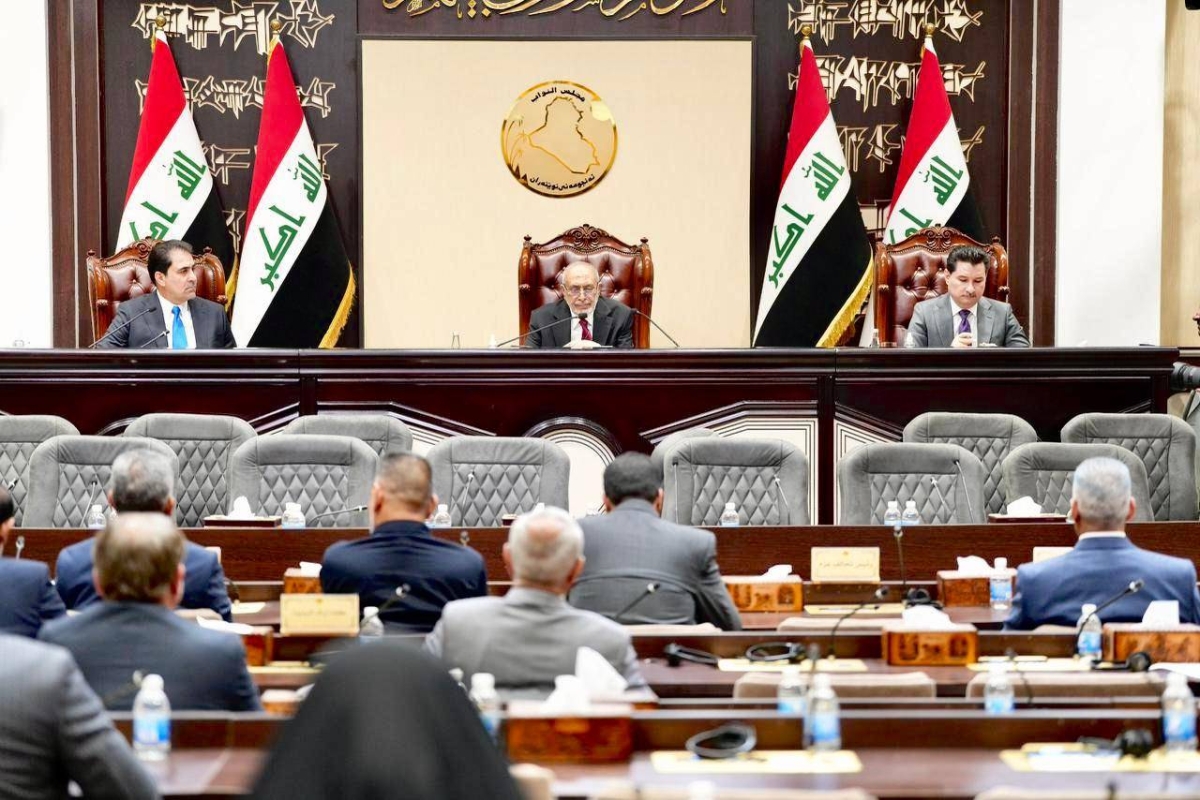
مجلس النواب العراقي


تابع قناة عكاظ على الواتساب
رياض منصور (بغداد) OKAZ_ONLINE@
An Iraqi deputy admitted that a parliamentary committee introduced amendments to the draft law of the "Popular Mobilization Authority," which include conditions for selecting the head of the authority and defining its structure, amid American warnings that the law grants greater influence to armed factions within state institutions.
Deputy Mukhtar Al-Moussawi said: "The amendments, which came based on previous parliamentary observations, stipulate that the head of the authority must have served at least 10 years within the mobilization, and must possess security and academic experience, in addition to specifying his military rank and the mechanism for his nomination with political participation."
He stated in a statement today (Wednesday) that the amended law stipulates that the arming and equipping of the mobilization be done by the Iraqi government, and that it be subject to the orders of the Commander-in-Chief of the Armed Forces, making it "a complementary security institution" to the regular forces.
He pointed out that the legal committee in the mobilization participated in reviewing the amendments, and that the voting on the law will take place in the next session as soon as the legal quorum is met, revealing that the law will come into effect after its publication in the official gazette.
However, Al-Moussawi did not clarify whether the passage of the law would lead to a change in the current head of the authority, merely stating that "the matter is contingent on the new law."
The United States fears that the proposed law will entrench the Popular Mobilization's status as an independent force from the Iraqi army and grant legitimacy to factions classified by the U.S. as terrorist groups. American officials stated that Washington conveyed these concerns to the Iraqi government during bilateral talks in recent weeks.
The Iraqi parliament approved the Popular Mobilization Law for the first time in 2016, but it lacked organizational and structural details, while the current amendments are seen as an attempt to redefine the role of the mobilization within the official security institutions in the country.
The Popular Mobilization was established in mid-2014 by a decision from the Iraqi government, after religious authority Ali Al-Sistani called for "defensive jihad" to confront ISIS, following the fall of the city of Mosul to the organization.
This call came during a famous Friday sermon, to which thousands of elements from armed factions responded, some of which had existed before 2014.
Deputy Mukhtar Al-Moussawi said: "The amendments, which came based on previous parliamentary observations, stipulate that the head of the authority must have served at least 10 years within the mobilization, and must possess security and academic experience, in addition to specifying his military rank and the mechanism for his nomination with political participation."
He stated in a statement today (Wednesday) that the amended law stipulates that the arming and equipping of the mobilization be done by the Iraqi government, and that it be subject to the orders of the Commander-in-Chief of the Armed Forces, making it "a complementary security institution" to the regular forces.
He pointed out that the legal committee in the mobilization participated in reviewing the amendments, and that the voting on the law will take place in the next session as soon as the legal quorum is met, revealing that the law will come into effect after its publication in the official gazette.
However, Al-Moussawi did not clarify whether the passage of the law would lead to a change in the current head of the authority, merely stating that "the matter is contingent on the new law."
The United States fears that the proposed law will entrench the Popular Mobilization's status as an independent force from the Iraqi army and grant legitimacy to factions classified by the U.S. as terrorist groups. American officials stated that Washington conveyed these concerns to the Iraqi government during bilateral talks in recent weeks.
The Iraqi parliament approved the Popular Mobilization Law for the first time in 2016, but it lacked organizational and structural details, while the current amendments are seen as an attempt to redefine the role of the mobilization within the official security institutions in the country.
The Popular Mobilization was established in mid-2014 by a decision from the Iraqi government, after religious authority Ali Al-Sistani called for "defensive jihad" to confront ISIS, following the fall of the city of Mosul to the organization.
This call came during a famous Friday sermon, to which thousands of elements from armed factions responded, some of which had existed before 2014.


