


اتفقت إيران والترويكا الأوروبية في ختام جولة محادثات إسطنبول اليوم (الجمعة). وأعلن نائب وزير خارجية إيران كاظم غريب آبادي أن بلاده أجرت نقاشاً جاداً وصريحاً، وأوضحت مواقفها المبدئية للأوروبيين. وقال: «اتفقنا مع القوى الأوروبية على استمرار المشاورات». وغادر ممثلو الدول الأوروبية قنصلية إيران في إسطنبول بعد انتهاء المحادثات.
وقبيل انطلاق المحادثات، قال دبلوماسيون غربيون إن الدول الأوروبية الكبرى مستعدة لتقديم عرض لتمديد الموعد النهائي الوشيك لإعادة فرض العقوبات الدولية على إيران، وإنهم سيركّزون على إعادة تفعيل آلية الزناد.
وجاء هذا العرض مشروطاً بموافقة طهران على استئناف المحادثات مع واشنطن والتعاون الكامل مع مفتشي الأمم المتحدة النوويين، وفقاً لصحيفة «فايننشال تايمز».
وكشف مصدر أوروبي أن بلاده ستعمل على إعادة فرض كل العقوبات التي كانت رُفعت عن إيران بعد اتفاق فيينا عام 2015 «إذا لم نتوصل إلى اتفاق معها بحلول مطلع سبتمبر». وأضاف أن ممثلي ألمانيا وفرنسا وبريطانيا يركّزون في محادثات إسطنبول على إعادة تفعيل آلية الزناد.
وأكد أن الوفد الفرنسي لن يتردّد في طرح موضوعات أخرى غير الملف النووي خلال المحادثات، تتعلق بسلوك إيران إقليمياً وبرنامجها الصاروخي، لكن الأولوية ستكون للملف النووي.
ويتعين على الدول الأوروبية الثلاث الموقعة على الاتفاق النووي لعام 2015 أن تقرر ما إذا كانت ستفعّل آلية «سناب باك». وتهدف هذه الآلية إلى إعادة فرض عقوبات الأمم المتحدة التي رُفعت بموجب الاتفاق.
وكانت الدول الأوروبية الثلاث حذرت من أنها ستلجأ إلى «سناب باك» إذا فشلت الجهود الدبلوماسية في كبح البرنامج النووي الإيراني، الذي وسعته طهران بشكل كبير رداً على انسحاب ترمب والعقوبات الأمريكية.
وأجرت إيران محادثات مع روسيا والصين، الدولتين الموقعتين على اتفاق 2015، في طهران هذا الأسبوع، إلا أنه لم يتم الكشف عن أي تفاصيل. كما أجرت مع الولايات المتحدة محادثات غير مباشرة لمدة شهرين بدءاً من أبريل، وكانت هناك جولة سادسة مخططة قبل أن تشن إسرائيل غارات جوية أدت إلى مقتل عشرات من كبار القادة العسكريين والعلماء النوويين الإيرانيين.
في ختام جولة إسطنبول.. اتفاق أوروبي - إيراني على استمرار المشاورات
25 يوليو 2025 - 16:13
|
آخر تحديث 25 يوليو 2025 - 16:13
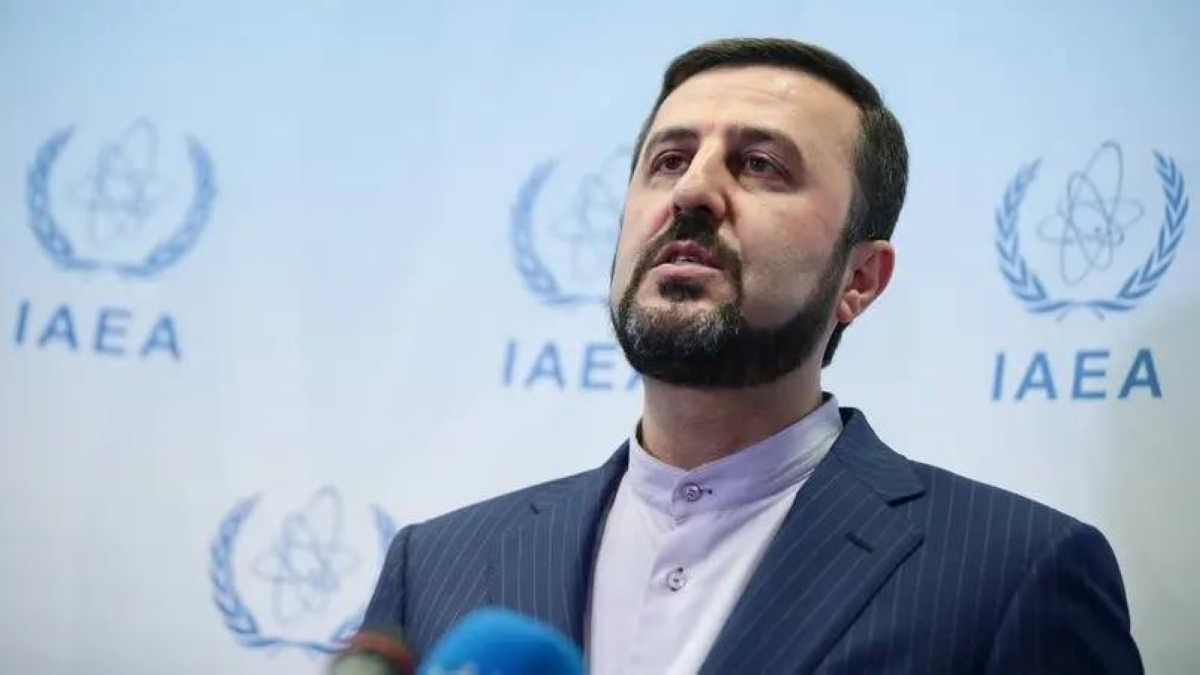
كاظم آبادي.


تابع قناة عكاظ على الواتساب
«عكاظ» (جدة)okaz_online@
Iran and the European troika agreed at the conclusion of the Istanbul talks today (Friday). Iranian Deputy Foreign Minister Kazem Gharib Abadi announced that his country had engaged in serious and frank discussions, clarifying its principled positions to the Europeans. He stated, "We agreed with the European powers to continue consultations." Representatives of the European countries left the Iranian consulate in Istanbul after the talks concluded.
Before the talks began, Western diplomats indicated that the major European countries were prepared to offer a proposal to extend the imminent deadline for re-imposing international sanctions on Iran, and that they would focus on reactivating the snapback mechanism.
This offer was conditional on Tehran's agreement to resume talks with Washington and full cooperation with UN nuclear inspectors, according to the Financial Times.
An European source revealed that his country would work to reimpose all sanctions that had been lifted from Iran after the Vienna Agreement in 2015 "if we do not reach an agreement with it by early September." He added that representatives from Germany, France, and Britain were focusing in the Istanbul talks on reactivating the snapback mechanism.
He confirmed that the French delegation would not hesitate to raise other topics beyond the nuclear file during the talks, related to Iran's regional behavior and its missile program, but the priority would be the nuclear file.
The three European countries that signed the 2015 nuclear agreement must decide whether to activate the "snapback" mechanism. This mechanism aims to reimpose UN sanctions that were lifted under the agreement.
The three European countries had warned that they would resort to "snapback" if diplomatic efforts failed to curb the Iranian nuclear program, which Tehran has significantly expanded in response to Trump's withdrawal and U.S. sanctions.
Iran held talks with Russia and China, the two countries that signed the 2015 agreement, in Tehran this week, but no details were disclosed. It also held indirect talks with the United States for two months starting in April, with a sixth round planned before Israel launched airstrikes that resulted in the deaths of dozens of senior military leaders and Iranian nuclear scientists.
Before the talks began, Western diplomats indicated that the major European countries were prepared to offer a proposal to extend the imminent deadline for re-imposing international sanctions on Iran, and that they would focus on reactivating the snapback mechanism.
This offer was conditional on Tehran's agreement to resume talks with Washington and full cooperation with UN nuclear inspectors, according to the Financial Times.
An European source revealed that his country would work to reimpose all sanctions that had been lifted from Iran after the Vienna Agreement in 2015 "if we do not reach an agreement with it by early September." He added that representatives from Germany, France, and Britain were focusing in the Istanbul talks on reactivating the snapback mechanism.
He confirmed that the French delegation would not hesitate to raise other topics beyond the nuclear file during the talks, related to Iran's regional behavior and its missile program, but the priority would be the nuclear file.
The three European countries that signed the 2015 nuclear agreement must decide whether to activate the "snapback" mechanism. This mechanism aims to reimpose UN sanctions that were lifted under the agreement.
The three European countries had warned that they would resort to "snapback" if diplomatic efforts failed to curb the Iranian nuclear program, which Tehran has significantly expanded in response to Trump's withdrawal and U.S. sanctions.
Iran held talks with Russia and China, the two countries that signed the 2015 agreement, in Tehran this week, but no details were disclosed. It also held indirect talks with the United States for two months starting in April, with a sixth round planned before Israel launched airstrikes that resulted in the deaths of dozens of senior military leaders and Iranian nuclear scientists.


